Controlled Processes
Coating thickness, viscosity, web tension, temperature, and surface tension are continuously monitored. This systematically reduces typical defects such as scratches, streaks, or uneven application.
Precise functional layers. Reproducible on the moving web.
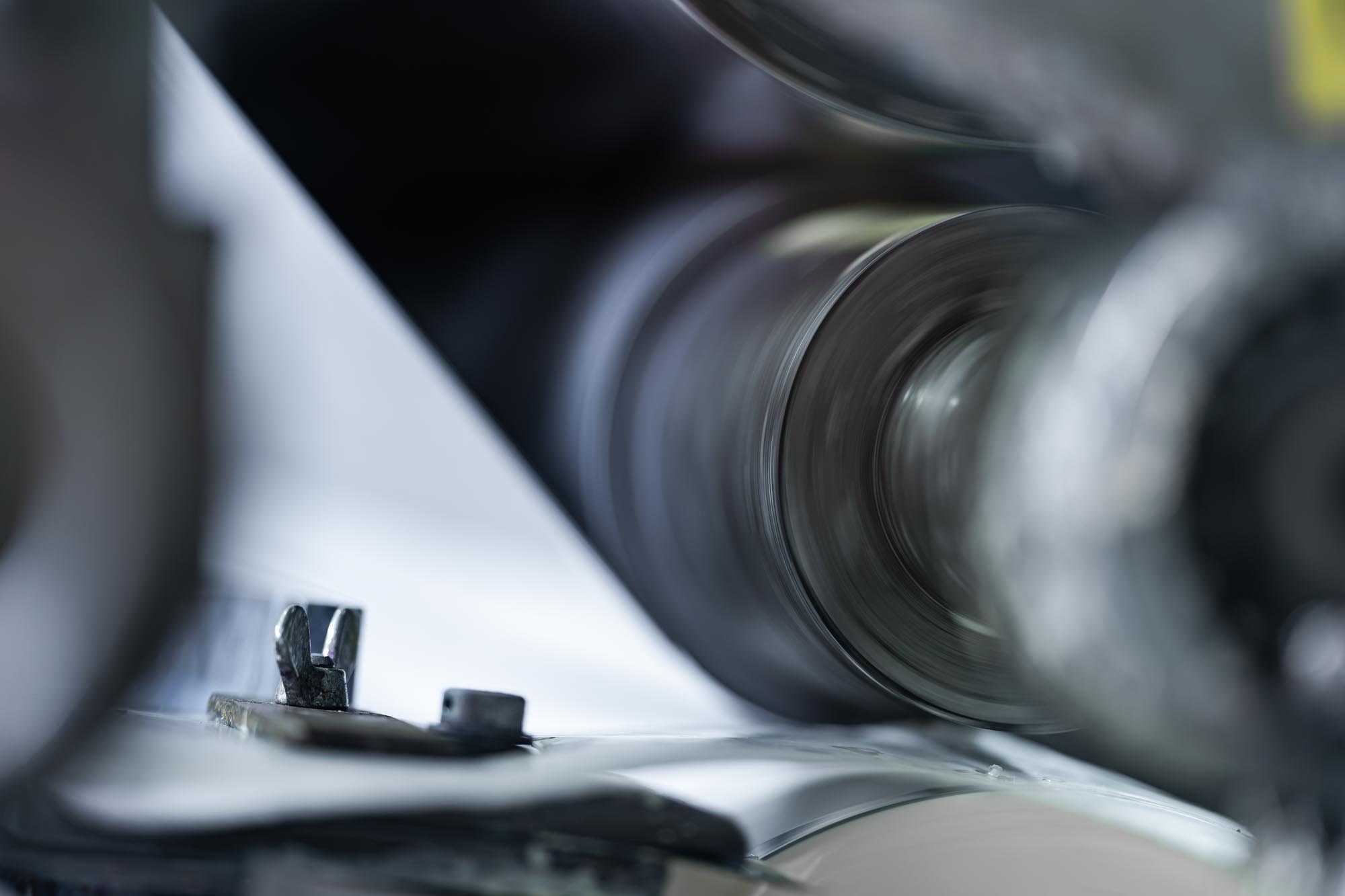
With over 50 years of experience in roll-to-roll coating, we develop and manufacture primers, topcoats, barrier layers, and functional coatings on films, paper, nonwovens, and other substrates—tailored to your application, your downstream process, and your quality requirements.
Dunmore produces coatings with a wide range of functions: primers for adhesion and pretreatment; topcoats for scratch resistance and surface protection; barrier coatings against oxygen, water vapor, oils, and UV radiation; release coatings; adhesive systems; and electrically conductive or insulating functional coatings. Both water-based and solvent-based systems are available.
What matters is not just the coating itself, but how it is integrated into the overall structure. At Dunmore, coating is typically the first step in an integrated process chain: metallization, lamination, and assembly follow in the same roll-to-roll process. This enables material systems that meet multiple requirements simultaneously—without the risks associated with interfaces between different suppliers.
Production takes place in Freiburg using web widths of up to 2,450 mm. We distinguish between various coating processes: coatings using solvent-based or water-based systems with coating weights ranging from 0.5 to 40 g/m², as well as metallization and vacuum coating with thin films ranging from 0.1 to 1 µm and an optical density of 1 to 6 µm.
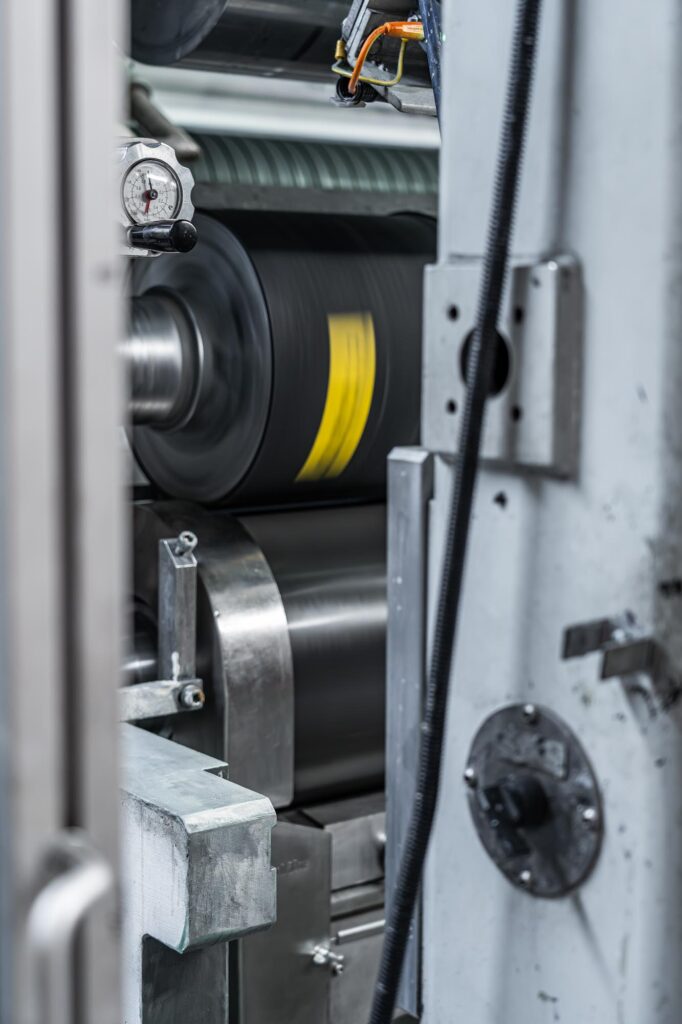
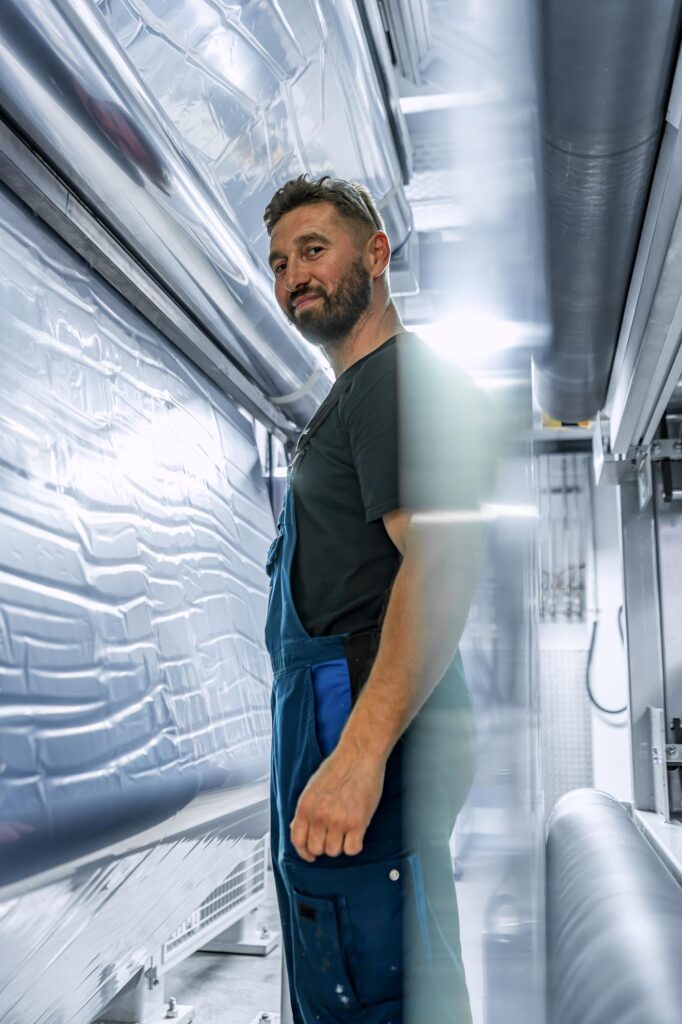
Coating thickness, viscosity, web tension, temperature, and surface tension are continuously monitored. This systematically reduces typical defects such as scratches, streaks, or uneven application.
The anilox roller applies a specific amount of liquid to achieve a uniform coating pattern that is easy to reproduce.
Large-format coating with high process stability for industrial applications of various scales.
Downstream processes such as metallization, lamination, and assembly—all under one roof.
PE Coating
It is primarily used for soft, flexible film in packaging, barrier, and protective applications. PE is one of the typical substrates for coatings in the food and non-food sectors.
PP Coating
A stiffer version with good chemical resistance. Frequently used for labels, packaging, and technical applications.
PET Coating
A dimensionally stable, heat-resistant base material for barrier, aerospace, and high-performance applications, as well as for DUN-GREEN™ PCR PET containing up to 90 percent recycled content.
PA Coating
High mechanical strength and barrier properties. Suitable for demanding packaging and technical composite systems.
PI Coating
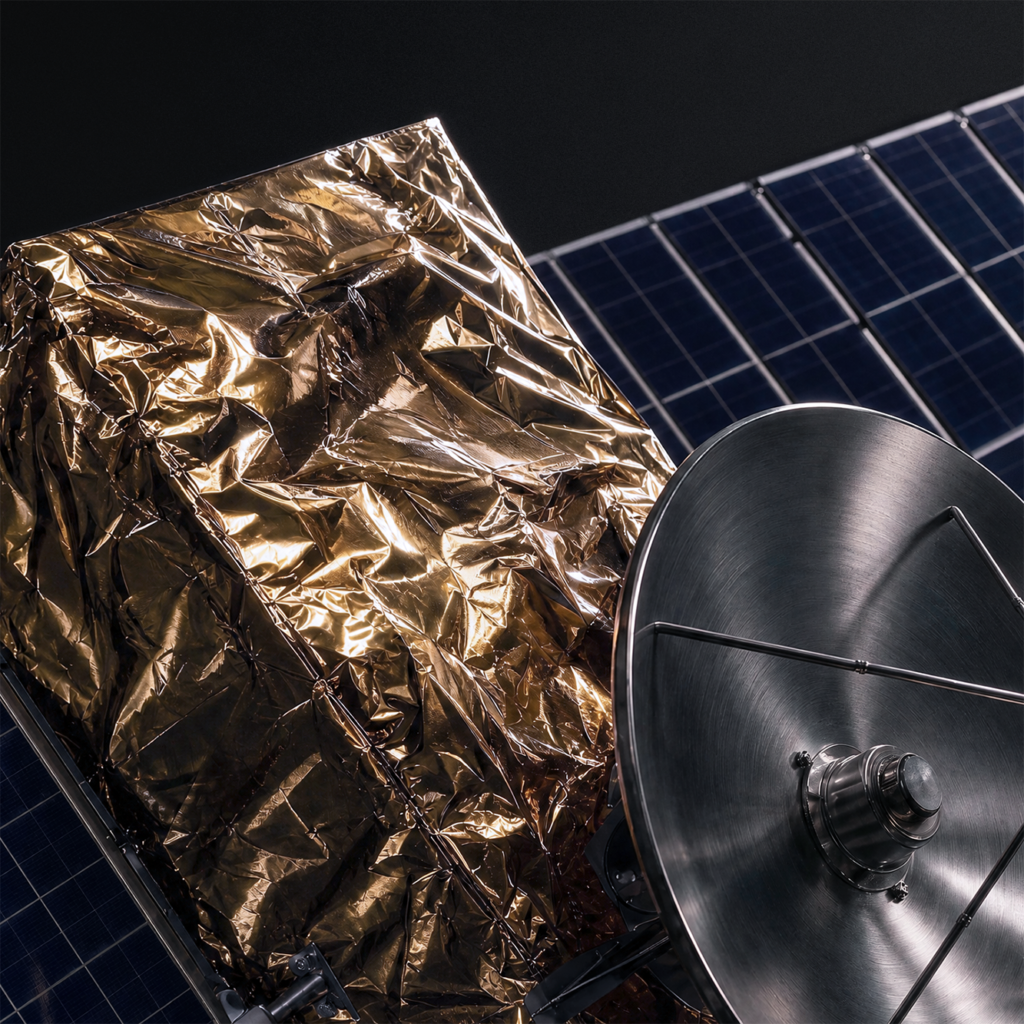
For lightweight aerospace structures capable of withstanding thermal and electrical stress: single- or double-sided coated and metallized PI films for multilayer insulation systems.
PEEK Coating
PEEK combines temperature resistance, chemical resistance, and mechanical strength. As a specialty substrate, it is suitable for technical and aerospace applications with correspondingly high requirements.
Barrier Properties, Printability, and Sustainability
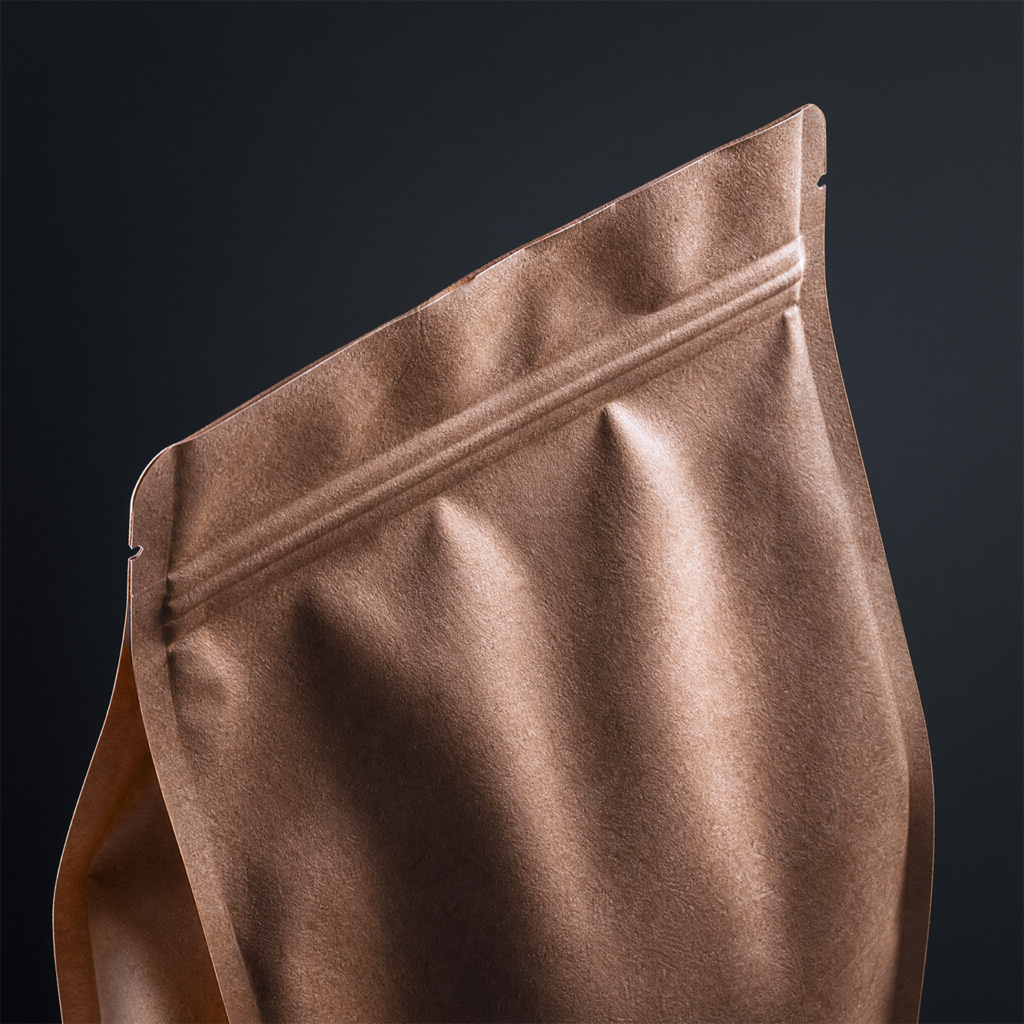
Paper-based barrier solutions for food, non-food, and household products protect against moisture, oxygen, water vapor, and fats, while remaining designed for printability and further processing.
Functional layers on textile substrates
Textile substrates such as nonwovens for medical devices, insulation, acoustics, and technical laminate composites. Can be coated with functional layers to enhance tactile properties, provide protection, or manage moisture.
Defined permeability, controlled damping
Special substrates with defined permeability or damping properties are also available for technical applications.
Coatings for plastics, paper, and nonwovens are in demand wherever a single layer of material is not sufficient. Whether it’s an oxygen barrier in food packaging, a primer for metallized aerospace films, a release coating for label materials, or an antistatic functional layer in electronics—the roll-to-roll coating process delivers precise, reproducible results on the moving web. Dunmore develops these coatings in collaboration with customers, tailoring them to the substrate, subsequent process, and end use.
Whether you need a primer, topcoat, barrier coat, or functional coating—please contact our technical sales team directly. Together, we’ll determine the substrate, coating system, and feasibility.

Team Dunmore Europe
kontakt@dunmore.de
Roll coating is a roll-to-roll coating process in which an anilox roller evenly transfers a liquid coating medium onto a moving web. This medium can be, for example, a varnish, an adhesive, or a polymer solution. The dosage is determined by the volume of the cells in the anilox roller. After application, the coating is dried and, if necessary, cross-linked. Factors such as the surface energy of the substrate, the viscosity of the medium, and stable web tension are crucial for achieving a clean coating pattern.
Typical substrates include plastic films such as PE, PP, PET, and PA, as well as paper, nonwovens, membranes, and foams. At its facility in Freiburg, Dunmore processes films with thicknesses ranging from 12 to 300 µm and web widths of up to 2,450 mm. Depending on the application, the coating weight ranges from 0.5 to 40 g/m². A prerequisite is always sufficient surface energy of the substrate, which is achieved through corona or plasma treatment.
Dunmore produces primer coatings, topcoats, barrier coatings, release coatings, adhesive coatings, and functional coatings. These coatings offer a wide range of properties, from electrically conductive or insulating to optical, sealing, and printable, as well as antistatic, scratch-resistant, UV-blocking, heat-resistant, and chemically resistant. The appropriate coating depends on the substrate, the subsequent process, and the end application.
Dunmore combines a wide range of materials, large web widths, precise dosing using the anilox principle, and downstream processes such as metallization, lamination, and finishing. Coatings are not produced in isolation, but as part of a coordinated material system. Customers do not receive a single layer, but rather an application-specific composite solution—developed and manufactured in Freiburg.