Metallization

For barriers, reflection, shielding, or optical effects

Silver functional films on large rolls for roll coating and metallization at Dunmore

We metallize plastic films, papers, and nonwovens for industrial applications and integrate this process into our material and coating systems, which include pretreatment, coating, lamination, and finishing.

Vacuum Metallization

Thin layer. Wide range of properties.

Vacuum metallization, or physical vapor deposition (PVD), is the standard industrial process for uniformly applying metal to moving web material. The metal is evaporated in a vacuum and condenses onto the substrate as an ultra-thin, homogeneous layer. The layer thickness determines the resulting properties: ranging from partially transparent to completely opaque, and from a slight barrier effect to full blackout.

Aluminum is the predominant metal—due to its availability, cost-effectiveness, and the combined effects of its reflective and barrier properties. Copper and tin are used to meet specific electrical or optical requirements.

Dunmore produces both full-surface and striped metallization. Transfer technology allows metallic effects to be applied to substrates that cannot be metallized directly. Each variant is tailored to the substrate, the subsequent process chain, and the end application—not as an isolated step, but as part of an integrated material structure.

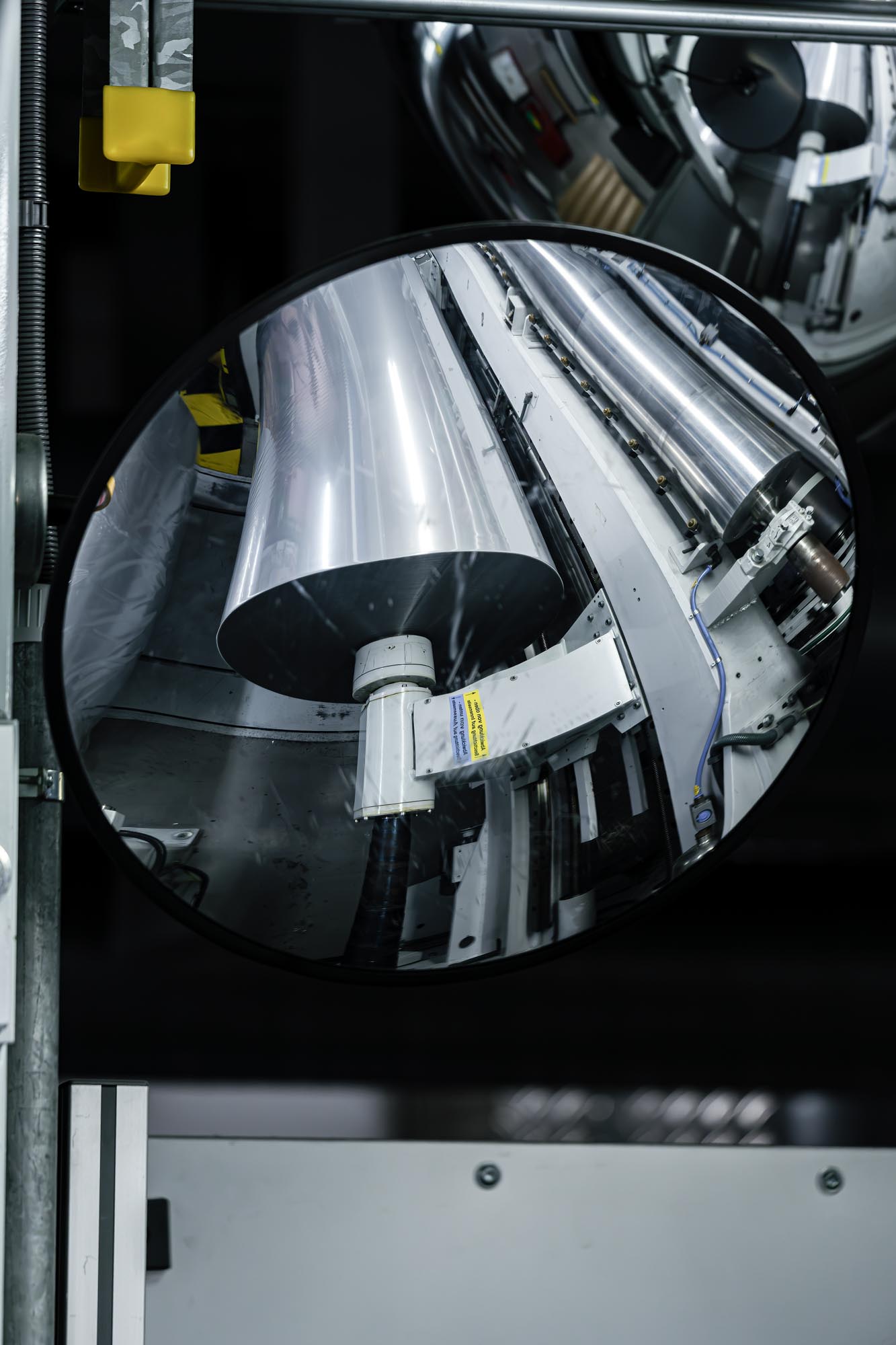
Employee at Dunmore, specialists in vacuum and plastic metallization
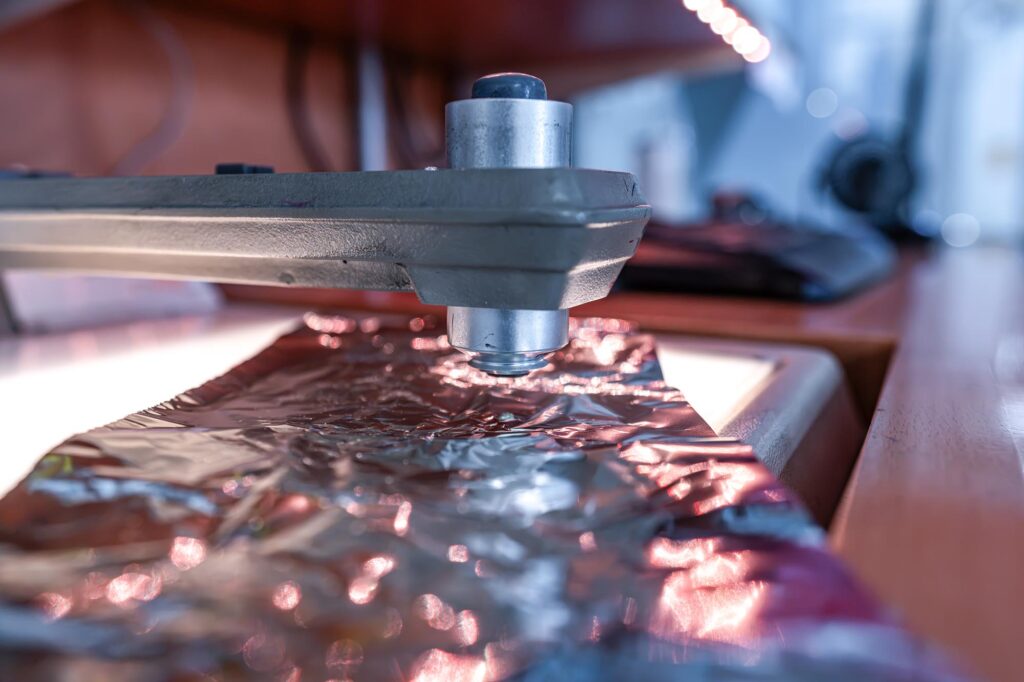
Close-up of a foil metallization process at Dunmore Europe
Process Reliability

Metallization as Part of the Process Chain

Systems Thinking Instead of a Single Step

At Dunmore, metallization does not begin with the vacuum system. Pretreatment, primer coating, metallization, protective coating, and lamination are all coordinated with one another. This reduces risks such as delamination, layer damage, and barrier gaps.

Controlled Layer Quality

Consistent film thickness, stable adhesion, and reproducible barrier properties do not happen by chance. Process control across the entire web width, defined pretreatment, and coordinated subsequent steps ensure consistent material properties in the mass production process.

From Prototype to Mass Production

Development projects begin with a feasibility analysis, laboratory samples, and validation runs. Only once the material meets the requirements does it move into mass production—with a documented process chain and defined quality parameters.

Materials & Substrates

Material Composition and Its Properties

  • Plastic Films

    PET, PP, PE, PEEK, and specialty films

    Dunmore metallizes plastic films such as PET, PP, and PE, as well as other specialty films. The appropriate combination of substrate, metal layer, and subsequent processes depends on the intended function and application.

  • Paper and Nonwoven Fabrics

    Sustainable Barrier Applications

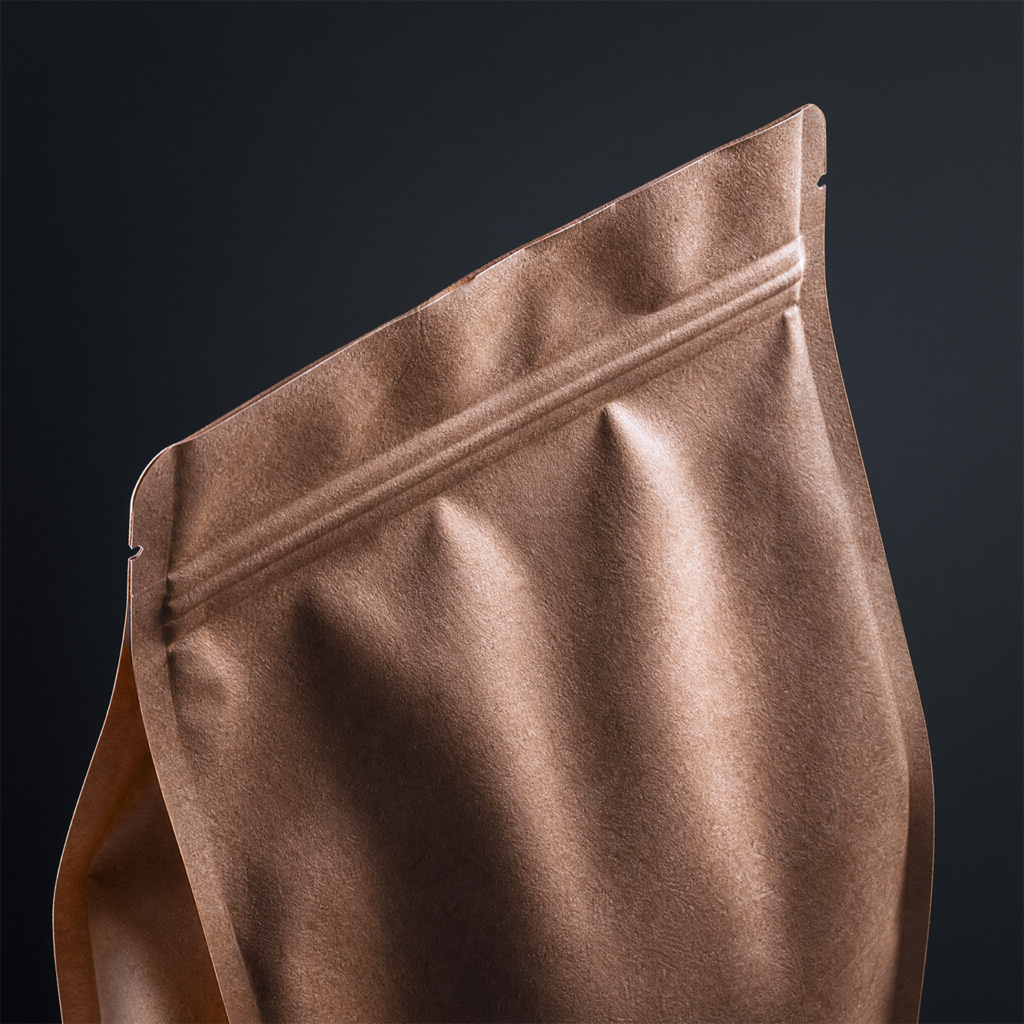
    Paper and nonwoven materials can also be used as substrate materials for metallization. When combined with coatings and laminations, these materials form multilayer structures for paper-based barrier solutions, reflectivity, or surface effects.

  • Aluminum

    Combination of Barrier and Reflection

    Aluminum is the most commonly used metal for metallization. It is readily available and combines cost-effectiveness with high reflectivity and good barrier properties. The metal layer can reduce oxygen and water vapor and reflect light and infrared radiation.

  • Copper and Tin

    Specialized Electrical and Optical Applications

    Copper provides electrical conductivity and electromagnetic shielding. Tin is used for specific optical or functional requirements where aluminum reaches its limits.

  • Solid and textured layers

    Full-surface, partial, or striped metallization

    The metal layer can be applied over the entire surface, in specific areas, or in stripes. Transfer technology and splitting are also among the available options. The design is tailored to provide the desired barrier, reflectivity, appearance, or shielding.

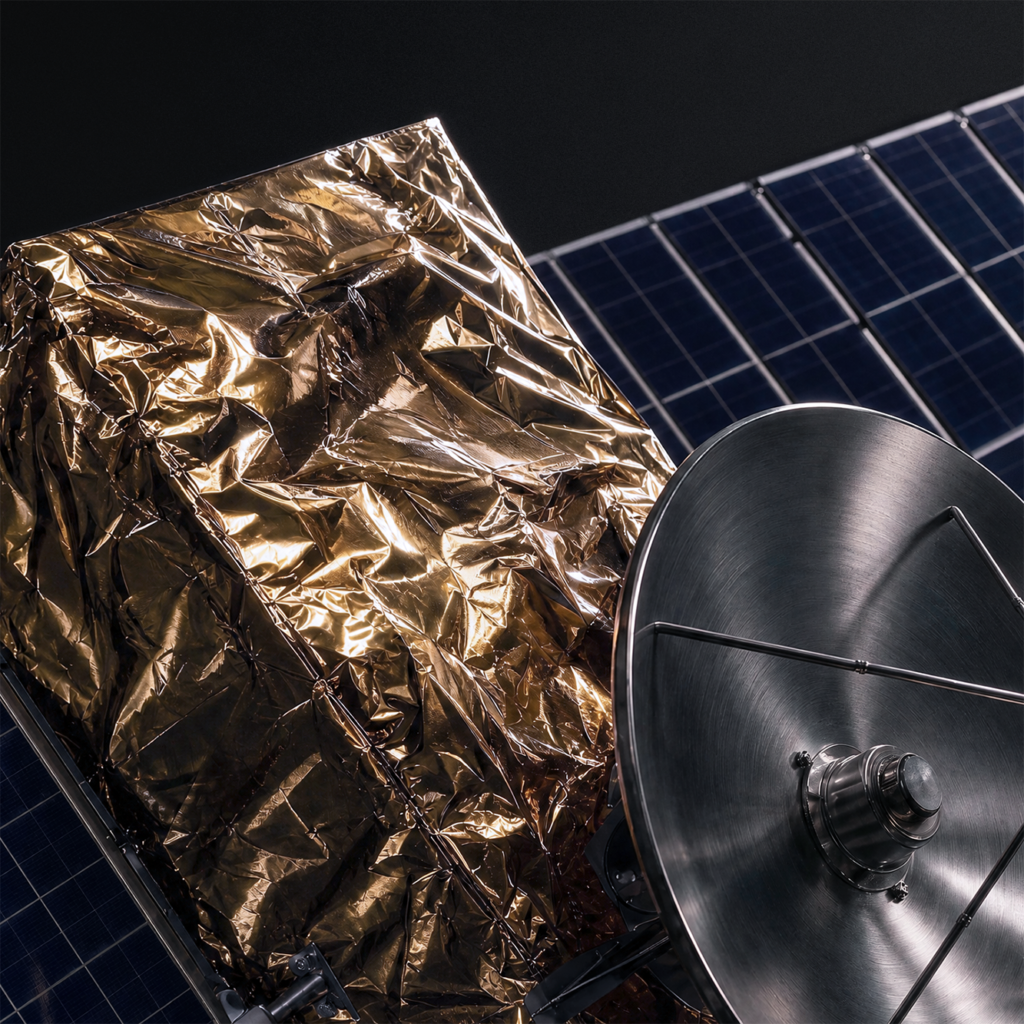
From Packaging to Satellite Insulation

Where Metallization Is Used

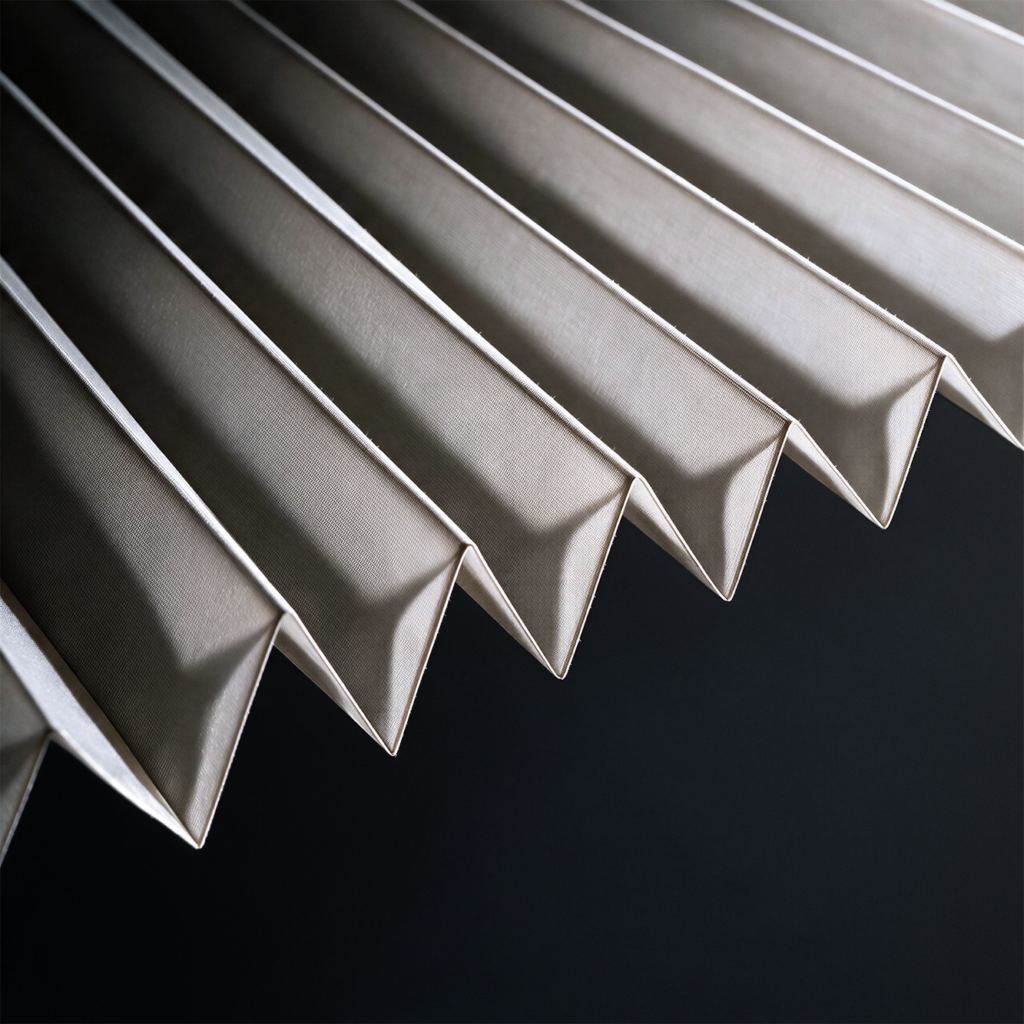
Metallized materials are in demand wherever a barrier, reflection, or shielding is required in a thin, flexible structure. The spectrum ranges from food packaging with strict barrier requirements to reflective insulation systems in the aerospace industry, to blackout materials for sunshade systems and capacitor foils in electronics. Wherever weight and thickness are critical factors, a metallized film replaces bulkier constructions.

Contact

Discuss your requirements

Whether you need a standard substrate or a custom solution—talk to our technical sales team about your requirements. We’ll assess feasibility, substrate suitability, and possible process combinations directly and without any delays.

Dunmore Freiburg's team and contact persons in a GIF

Your Contacts

Team Dunmore Europe

    kontakt@dunmore.de

FAQ

Frequently Asked Questions About Metallization

Metallization refers to the process of applying very thin layers of metal to flexible substrate materials such as plastic films, paper, or nonwoven fabrics. The result is not solid metal, but a wafer-thin, functional layer—typically in the nanometer range—that imparts specific properties to the substrate: a barrier against oxygen and water vapor, reflection of light and thermal radiation, a metallic appearance, or electrical conductivity. Depending on the layer thickness, the spectrum ranges from slightly metallic and transparent to completely opaque.

The dominant industrial process is physical vapor deposition (PVD): The metal is heated in a high vacuum, vaporized, and condenses as a uniform layer onto the moving plastic film. Sputtering can be used for highly precise specialty applications with stricter requirements for layer homogeneity or adhesion. Substrates that cannot be metallized directly using vacuum processes are coated with a metal layer using transfer technology—in which the metal layer is transferred from a carrier film to the target substrate.

In thermal vacuum evaporation, the metal is heated to its evaporation point in a high-vacuum chamber. The metal vapor cloud condenses onto the moving substrate web, forming a thin, uniform layer. The vacuum level, evaporation rate, web speed, and pretreatment of the substrate are critical to quality—sufficient surface energy is essential for stable adhesion. The film thickness can be precisely controlled via process parameters.

Aluminum combines several advantages that are crucial for industrial metallization: It is readily available, cost-effective to use, can be easily evaporated in a vacuum, and provides an effective barrier against oxygen and water vapor even in very thin layers. At the same time, it effectively reflects light and infrared radiation. No other metal offers this combination of barrier properties, reflectivity, and process suitability at a comparable cost. Copper and tin are used in applications where specific electrical or optical requirements push aluminum to its limits.

Metallized materials have a wide range of applications. In packaging, metallized films protect food and sensitive products from oxygen, moisture, and light. In thermal insulation and isolation, they reflect infrared radiation—in buildings, window spacer systems, and aerospace applications, all the way to satellite insulation. Sun protection and blackout systems use metallized layers to control the amount of light and heat entering a space. Other areas of application include high-quality labels and decorative films, capacitors and electronic applications, as well as medical thermal management.