ISO 9001:2015
Certified quality management system for consistent laminate quality in every production batch.
Composite solutions made of films, paper, nonwovens, and fabrics
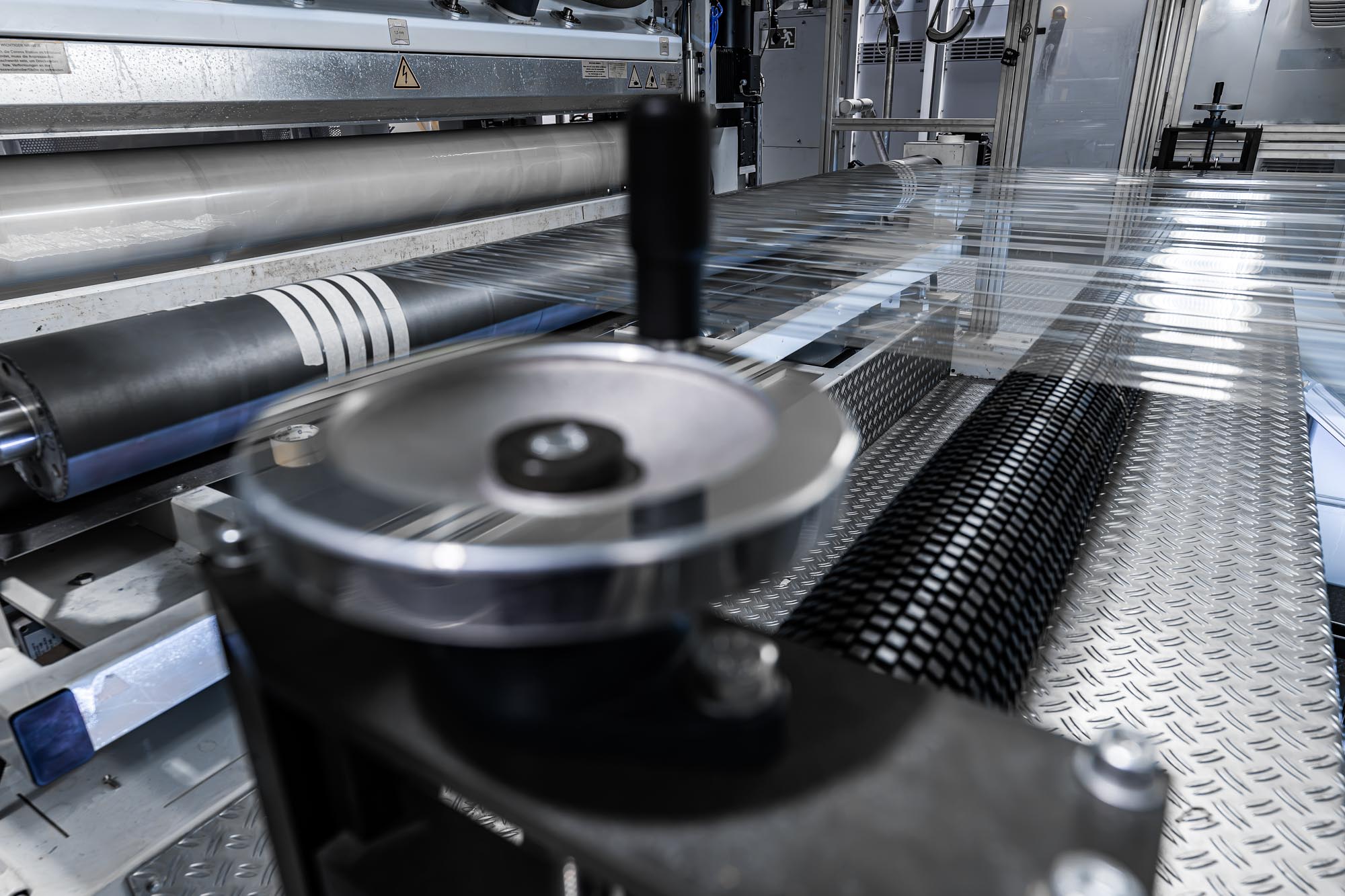
Lamination permanently bonds two or more materials into a composite in which each layer performs a specific function. We process films, paper, nonwovens, and fabrics into bi- and tri-laminates with barrier, protective, or functional properties.
More layers. More functionality.
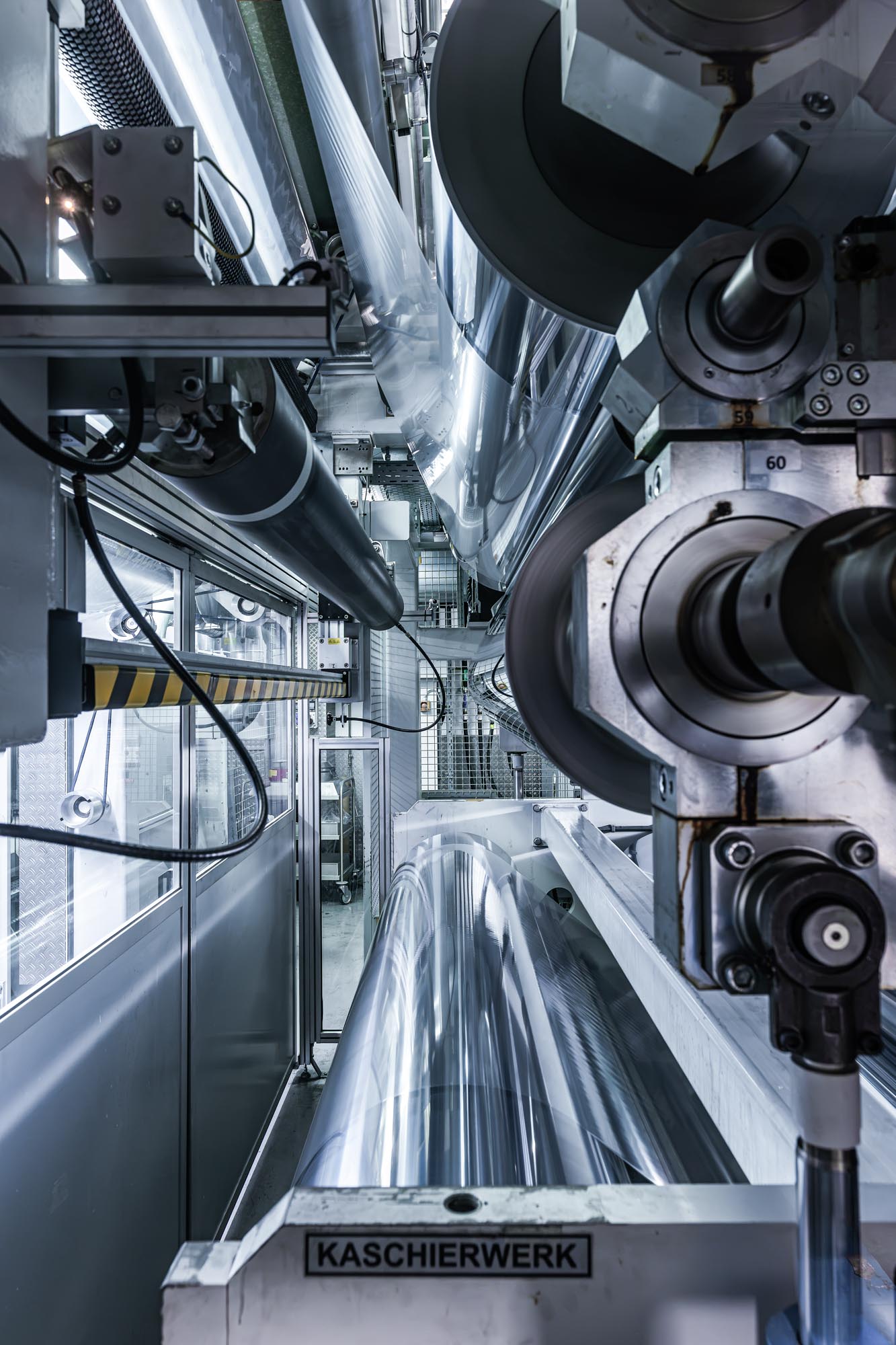
Dunmore Europe uses a roll-to-roll process for adhesive-based lamination. This process produces composites specifically designed for barrier properties, strength, heat reflectivity, electrical conductivity, printability, or sealability. The quality of the composite is not achieved in a single step, but rather through the precise interplay of pretreatment, adhesive application, web tension, and subsequent drying or curing.
From flexible polyethylene films with double lamination to high-barrier structures for cryogenic applications: Dunmore Europe produces complex multilayer structures with consistent quality in production widths of up to 2,450 mm. Two laminators are available to accommodate different substrate and adhesive requirements.

Certified quality management system for consistent laminate quality in every production batch.
Large-format processing widths of up to 2,500 m and coating widths of up to 2,450 mm for industrial applications of various scales.
Pre-treatment, lamination, and post-treatment are seamlessly integrated under one roof. This results in functional composites with consistent process quality.
Two- and three-layer composite structures from a single source—including corona pretreatment and finishing.
Our laminates are in demand wherever a single material reaches its functional limits. Dunmore Europe supplies laminate composite solutions for a wide range of applications, from barrier packaging to aerospace.
For demanding environments
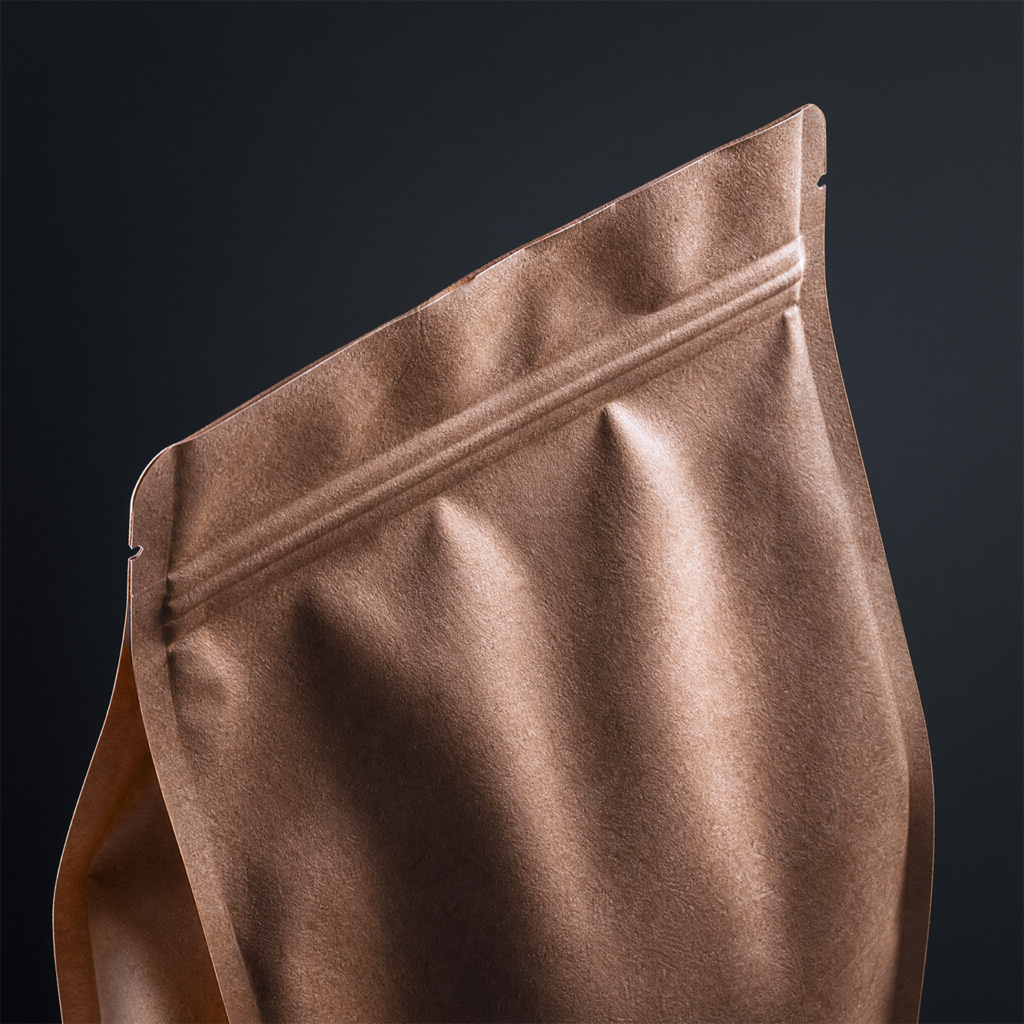
When high demands for barrier performance and functional stability come together, the critical properties are achieved only through composite materials. Dunmore Europe laminates multilayer materials for applications in which barrier performance, protection, and consistent processing must all work in harmony.
For medical applications
In the medical field, composite materials must meet several requirements at once. Laminated solutions can be designed to reflect heat, provide a comfortable surface, and remain resistant to moisture and mechanical stress.
Function and Design Combined
When it comes to sun protection systems, simple shading is often not enough. What is needed are integrated solutions that provide reliable blackout capabilities while also offering a surface that blends seamlessly with the final product, both visually and to the touch.
When one shift isn't enough
Lamination is important in applications where specific properties—such as barrier properties, strength, sealability, or surface functionality—need to be combined in a targeted manner. To this end, Dunmore Europe develops laminates tailored to the customer’s technical requirements and further processing needs.
Targeted Combination of Processes
Many applications are not created through a single process step, but rather through the interaction of multiple technologies. When coating or metallization is part of the manufacturing process, Dunmore Europe can coordinate these steps within the process chain, thereby enabling the consistent production of complex specialty laminates.
Whether it's a standard composite or a complex multilayer system, the team in Freiburg answers technical questions directly and evaluates your requirements without delay.

Team Dunmore Europe
kontakt@dunmore.de
Lamination permanently bonds two or more pre-manufactured layers of material together, usually using an adhesive. The result is a composite material in which each layer retains its own function. Coating, on the other hand, applies a functional layer directly to a substrate without adding a second carrier layer. In practice, the two processes are often combined: For example, a metallized PET film is first coated and then laminated with a nonwoven fabric.
Dunmore Europe processes a wide variety of materials in its lamination process—including PET, PE, BOPP, and PA, aluminum foils, and nonwovens—to produce composite laminates. The maximum web width is 2,500 mm, and the coating width is 2,450 mm.
Lamination of film layers or other materials, such as paper or nonwovens, refers to a single functional layer within a multilayer composite. Each layer performs a specific function: acting as a barrier against moisture, oxygen, or light; providing mechanical strength; reflecting heat; or enabling printability or sealability. The structure of the film layer assembly depends on the end use and the required test specifications.
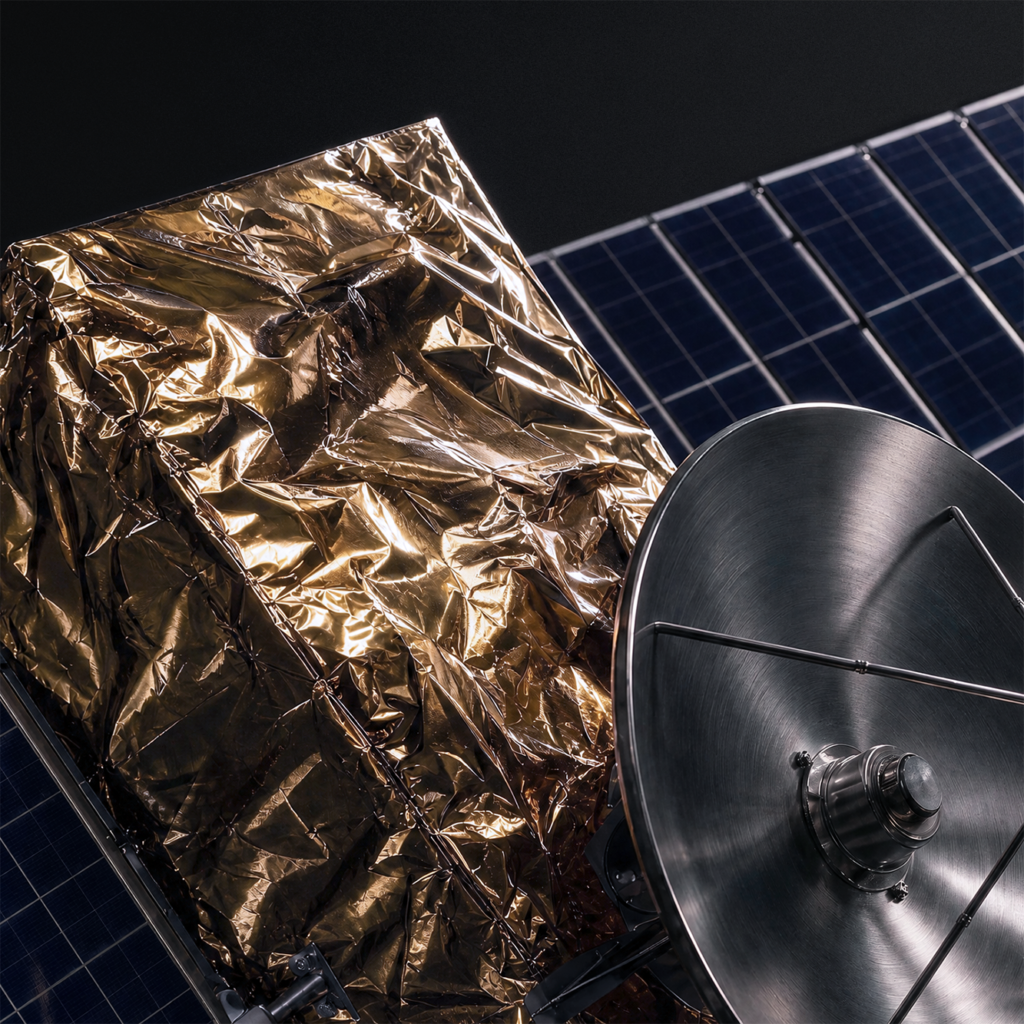
The main areas of application include sun protection and architectural systems (blackout structures with a functional barrier layer), medical technology (patient thermal management, moisture resistance), aerospace (high-barrier, cryogenic applications, PEEK and PI films), and other technical insulation applications. However, the range of applications extends far beyond these; our laminates can also be tailored for other specialized applications where standard materials are insufficient.