ISO 9001
Certified quality: consistent processes and reproducible results, across all locations and fully documented.
Thermal insulation films for precise temperature control in technical applications.
 Generated by AI
Dunmore develops metallized and laminated film systems that reflect thermal radiation, stabilize temperatures, and reliably protect sensitive products or environments.
Certified quality: consistent processes and reproducible results, across all locations and fully documented.
Energy-Efficient Production: Optimized manufacturing processes with a clear focus on resource use and sustainability.
Large-format processing widths of up to 2,500 mm and coating widths of up to 2,450 mm for industrial applications of various scales.
Aluminum vacuum deposition and adhesive-based lamination—combined in integrated roll-to-roll processes.
In many industrial applications, insulation is not an additional property but rather an integral part of the material’s function. When it is necessary to reflect thermal radiation, control temperature differences, or limit moisture, the layer structure determines the system’s subsequent performance.
To this end, Dunmore develops flexible material systems made of metallized, coated, and laminated films. Depending on the application, these systems provide thermal, reflective, electrical, or moisture-related protection—for example, in multilayer insulation systems, window spacers, cryogenic applications, or medical thermal management.
The advantage lies in the structure: Thin functional layers are specifically designed to produce the properties required for the application—while offering low weight, flexible further processing, and optimization for the respective process.
When it comes to insulation, it’s not just the material that matters, but the interaction between the layers. A metallized surface can reflect thermal radiation. However, it is only through the right combination of materials that it becomes a material that can be processed reliably in practical applications.
Dunmore develops these structures on an application-specific basis: using metallized films for reflection, lamination to create a functional composite, and additional layers when protection, adhesion, or electrical isolation must be taken into account. This results in material systems for applications that simultaneously require low weight, defined thermal performance, and reliable further processing.
Would you like to provide thermal protection for an application or further develop an existing material structure? Then please contact us directly.

Team Dunmore Europe
kontakt@dunmore.de
Especially with insulating films, it is not enough to consider individual material properties alone. What matters most is how the assembly performs in real-world applications.

Requirements Analysis
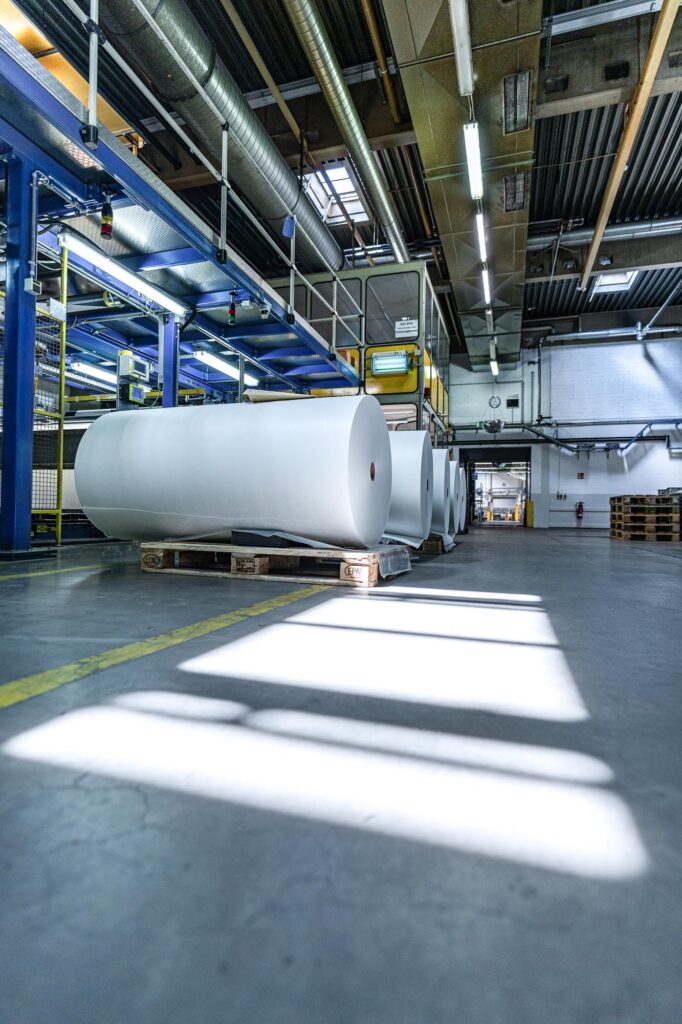
It all starts with your challenge: Together, we analyze your technical requirements, operating conditions, and regulatory framework.
Material & Layer Structure
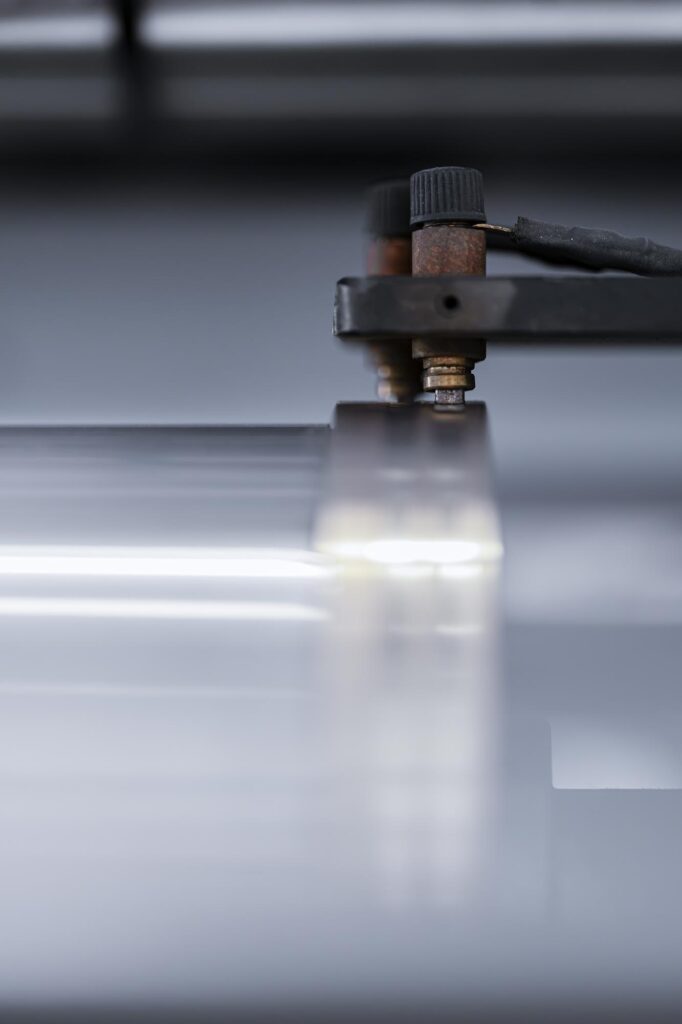
Based on your requirements, we develop a solution: Which substrates, processes, and functional layers are suitable?
Samples & Tests
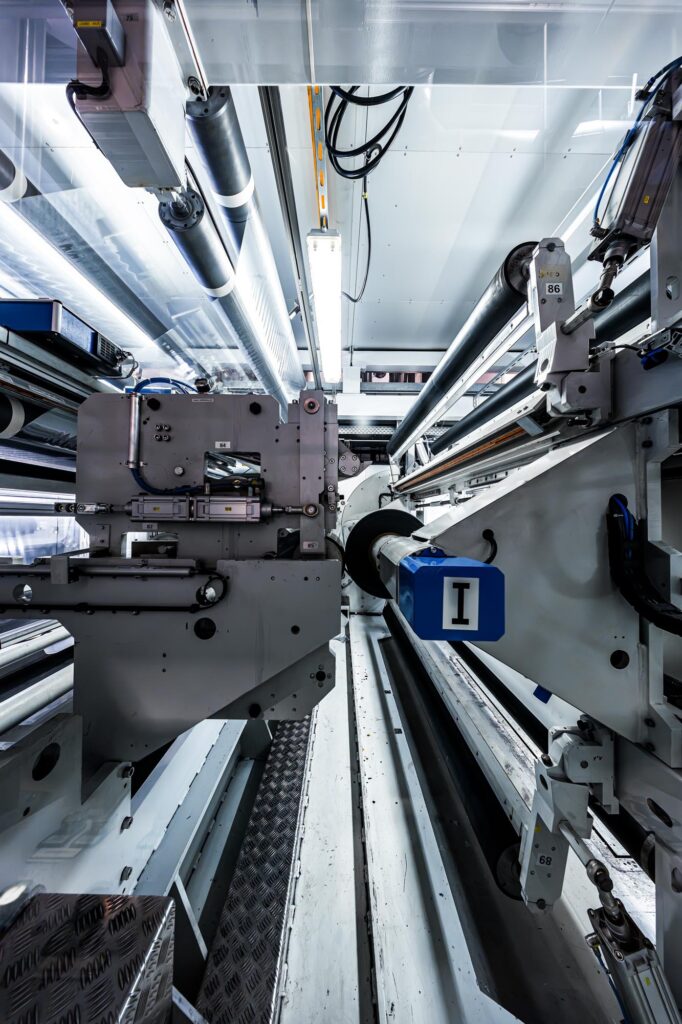
Before our high-performance materials go into mass production, they are tested. We manufacture samples, conduct tests, and review the results with you.
Process Optimization
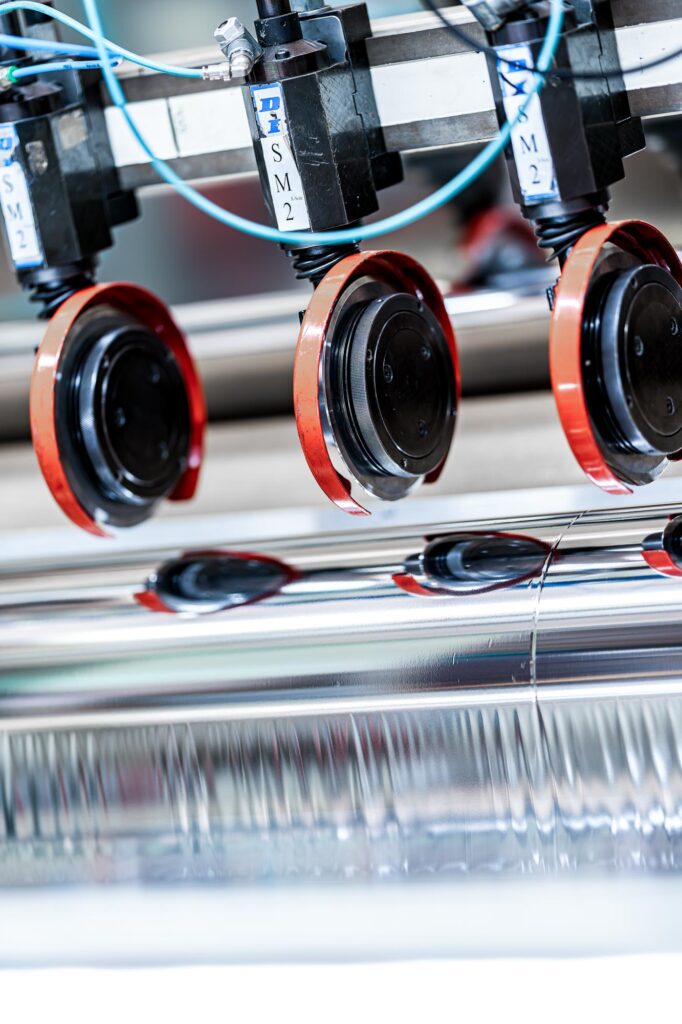
Coating, metallization, lamination, assembly—we handle all these processes under one roof. This enables quick adjustments and short iteration cycles.
Readiness for mass production
If the prototypes and tests are satisfactory, we move the solution into mass production. With stable processes, documented quality, and reliable delivery—so that your product remains predictable and reproducible.
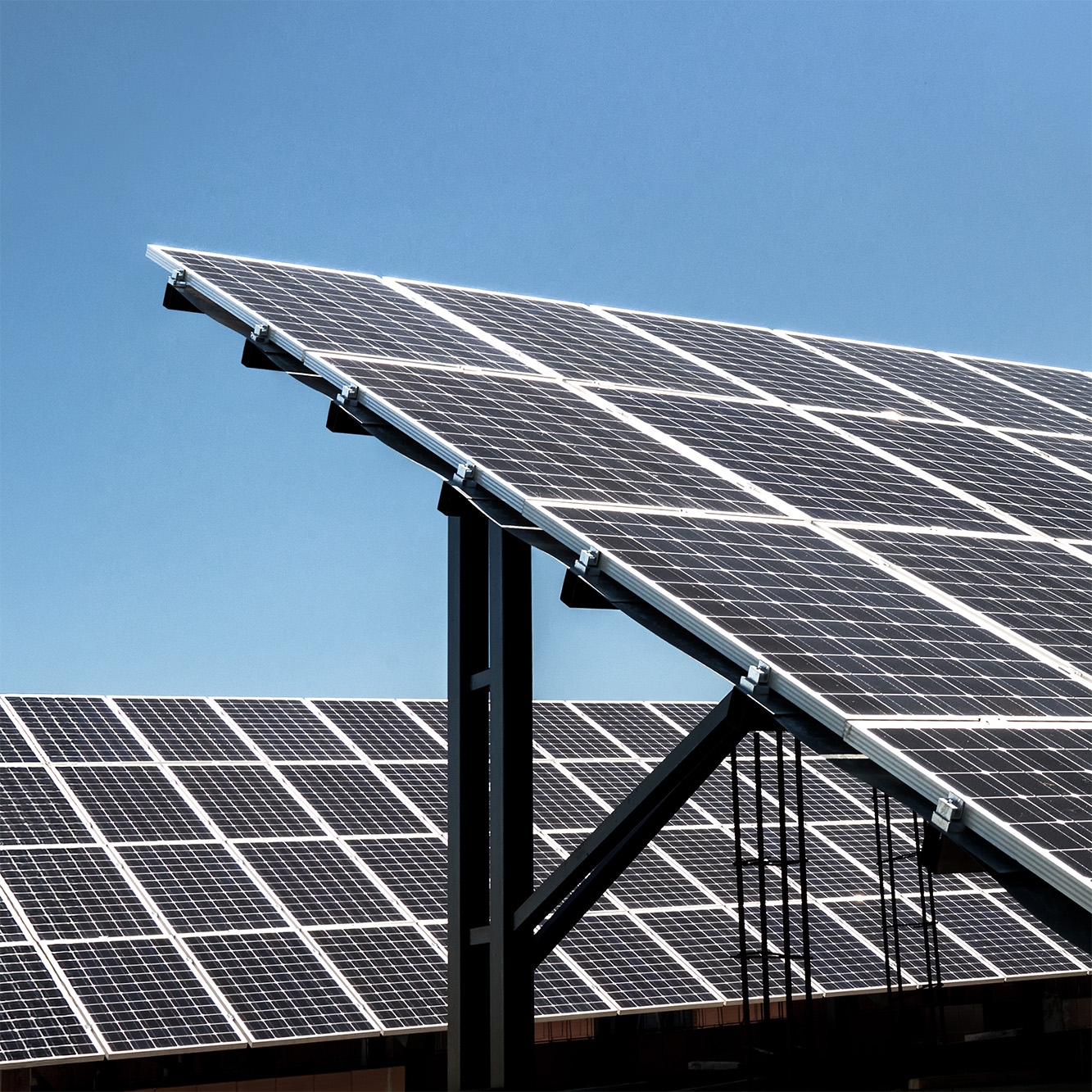
Thermal insulation films are used when heat radiation needs to be reflected, temperature differences need to be limited, or sensitive components need to be protected. Typical applications at Dunmore include aerospace insulation, window spacers, technical building systems, solar applications, and thermal protection solutions for the automotive industry.
The insulating effect is primarily achieved through metallized layers that reflect thermal radiation. Depending on the application, these are laminated with additional layers to sustainably reduce heat transfer via radiation, convection, and conduction. The composite material also ensures the stability and protection of the enclosed item.
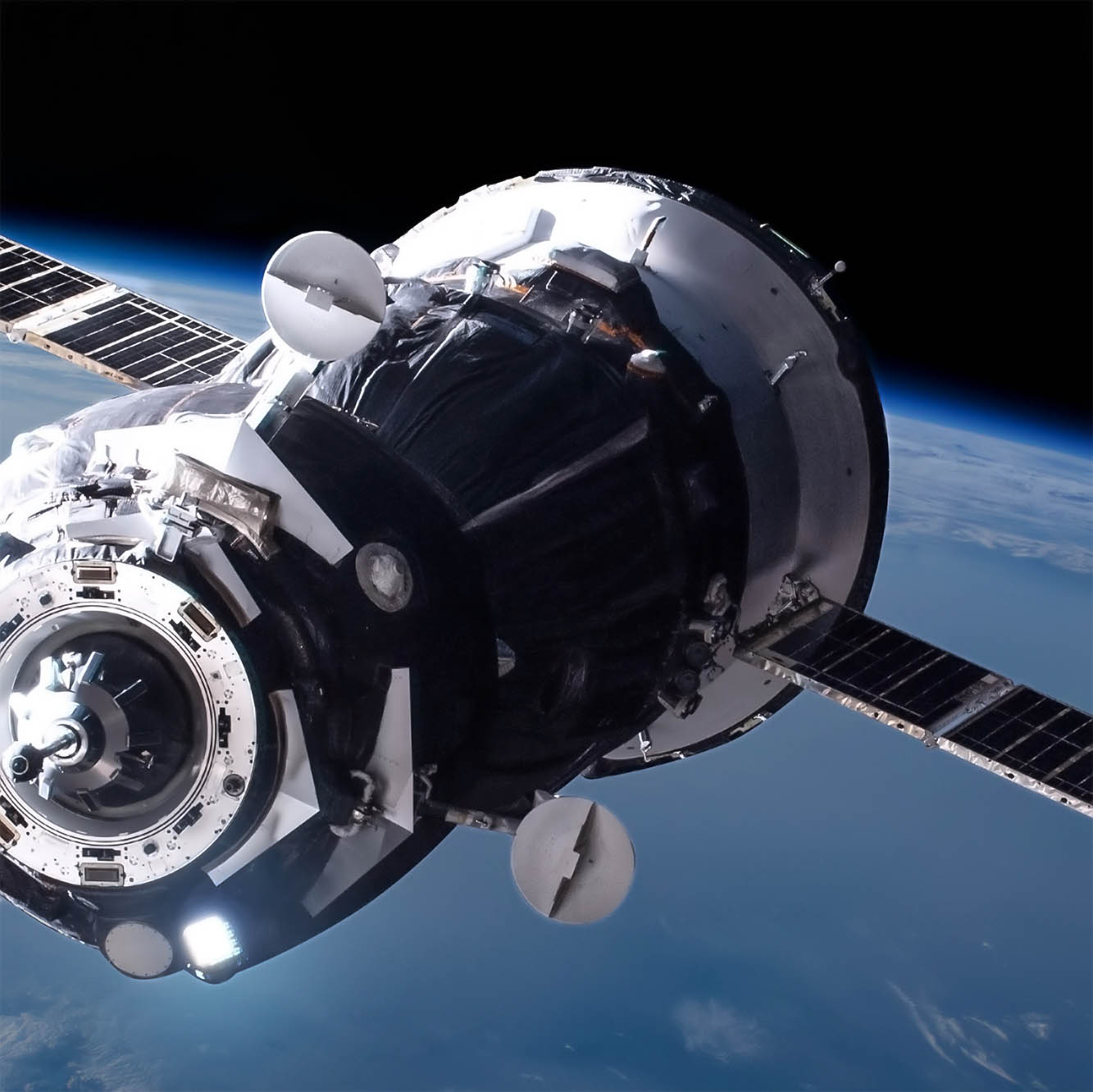
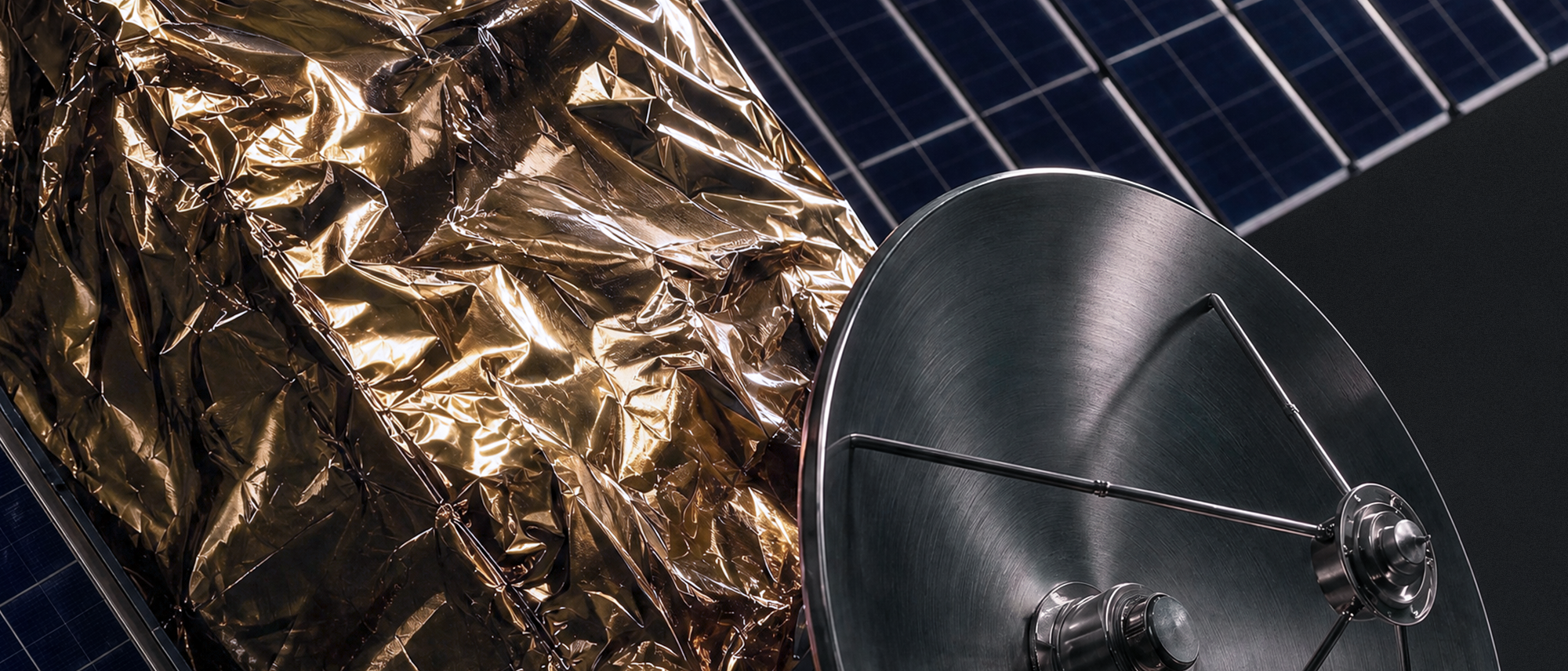
Multi-layer insulation consists of several layers of metallized film. It is primarily used in aerospace applications to control heat transfer while maintaining a very low weight.
Among other materials, Dunmore processes PET, PE, PP, PA, specialty films, and nonwovens. The most suitable combination of materials depends on the application, temperature requirements, weight, flexibility, and further processing.
Metallized films offer reflectivity while being significantly lighter and more flexible. They can also be more easily integrated into complex composite materials and industrial roll-to-roll processes.