
ISO 9001
Certified quality, consistent processes, and reproducible results—across all locations and fully documented.
Tailored to your specific needs.
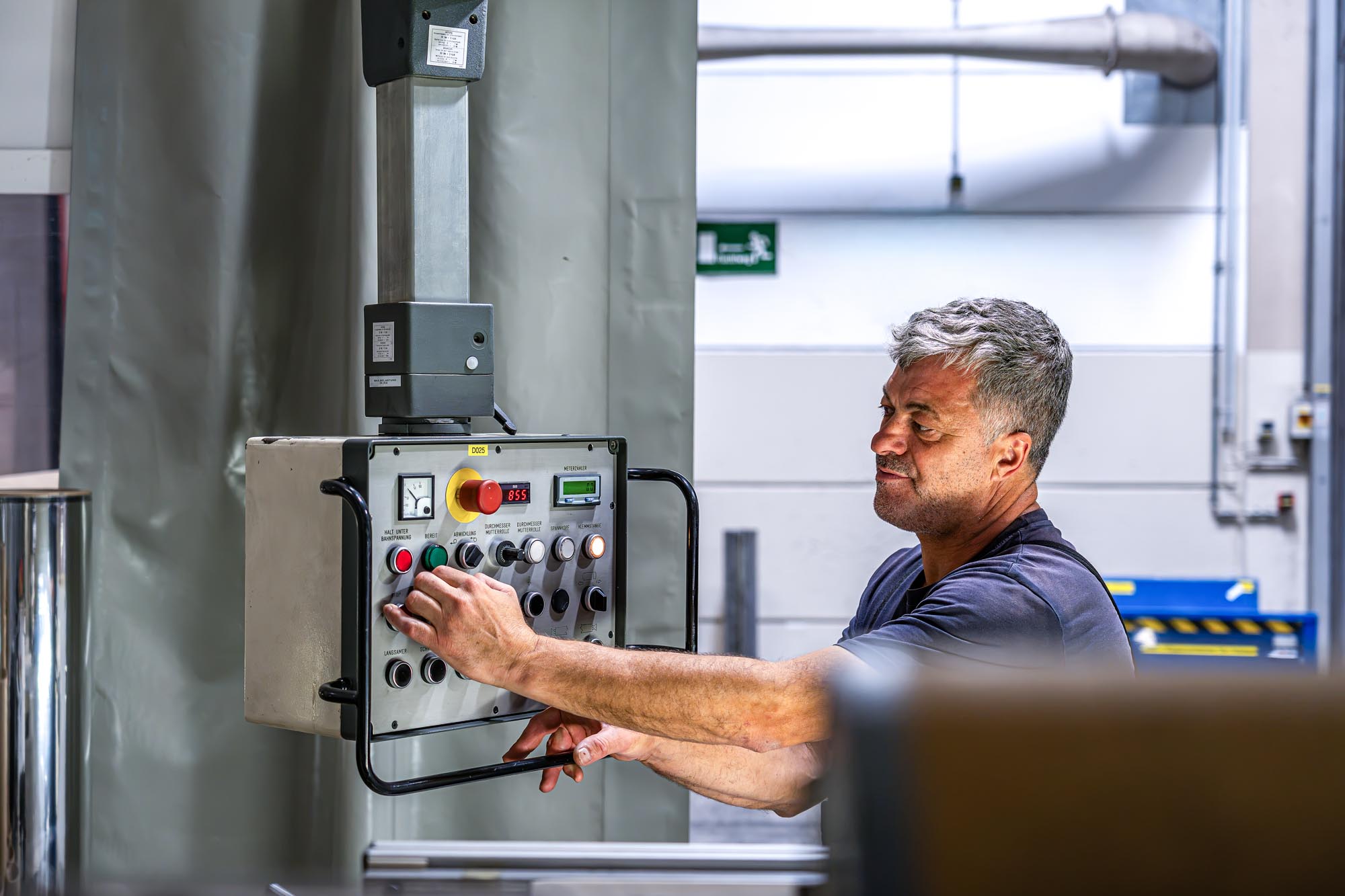
We specialize in custom film solutions and coatings for a wide variety of surfaces. We support our customers from the initial idea through to a reliable production solution, combining technical expertise with a deep understanding of industrial requirements.
Certified quality, consistent processes, and reproducible results—across all locations and fully documented.
Large-format coating with high process stability for industrial applications of various scales.
Extensive expertise in the development and manufacture of coated, laminated, and metallized high-performance materials
Many applications cannot be addressed with a single standard material. They require multiple functions in a single system. This is the starting point for custom development at Dunmore.
Typical problem areas that development teams bring to us:
Multifunctional Requirements
A material must simultaneously provide a barrier, remain flexible, be printable, and meet sustainability requirements. No off-the-shelf product can deliver all of these features in combination.
Critical Process Compatibility
The material must perform reliably and consistently during your further processing—sealing, printing, lamination, die-cutting. Laboratory test results alone are not sufficient.
New Applications
Your product or technology is new. There is no established material system for it yet. Together, we’ll develop one.
Compliance and Documentation Requirements
You need documented specifications, test reports, and traceable process parameters—for internal approvals or regulatory requirements.
Functional layers applied with precision
Primers, topcoats, barrier coatings, release and adhesive coatings, as well as electrically or optically functional coatings, are applied to films, paper, nonwovens, or fabrics. Reproducible application via defined process parameters—from surface pretreatment to drying—is crucial.
Flexible Substrates with Metallic Solutions
Vacuum deposition is used to apply thin metal layers—typically aluminum, but also copper, tin, or silver—to the substrate. The resulting layers range from partially transparent to opaque and provide barrier, reflective, thermal management, or electrical properties.
Multilayer composites with defined properties
Two or more materials are permanently bonded together to form a composite. Each layer serves a specific function: barrier, strength, sealability, printability, tactile feel, or protection. Dunmore processes bi- and tri-laminates with web widths of up to 2,450 mm.
Final format and processability ensured
Longitudinal and transverse cutting, rewinding, perforation, embossing, and—for transfer metallization products—splitting are tailored to the respective final format and the subsequent process. For highly functional materials, the finishing process directly influences product performance.
You provide the application; we provide expertise in materials and processes. Together, we minimize risk through samples, testing, and thorough documentation—so you can make decisions faster within your organization.

Requirements Analysis
It all starts with your challenge: Together, we analyze your technical requirements, operating conditions, and regulatory framework—so that we ask the right questions from the very beginning.
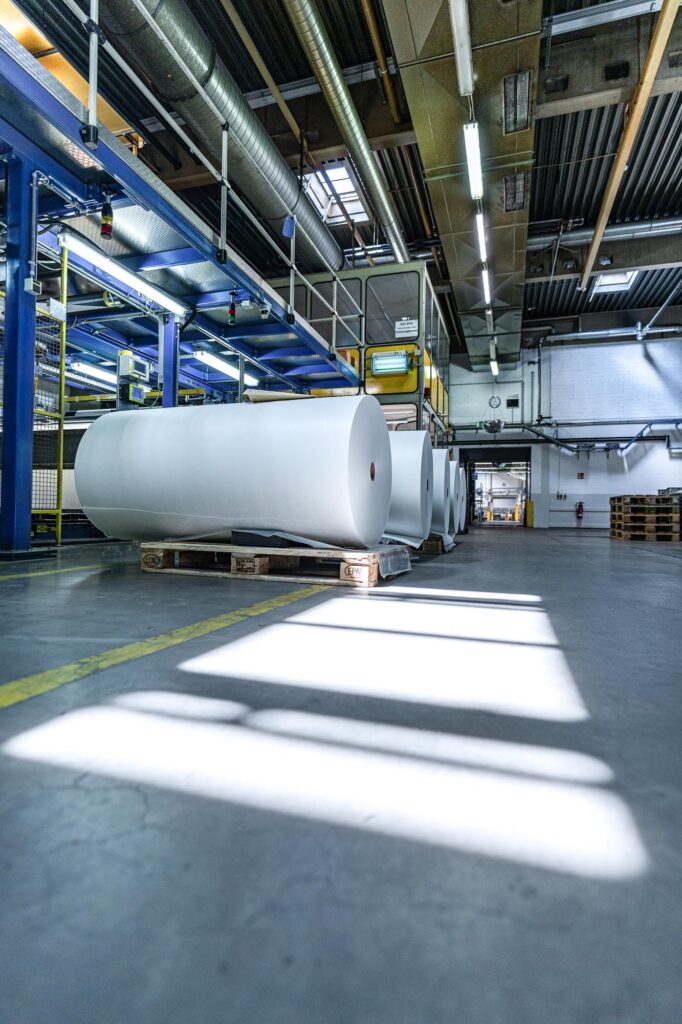
Material & Layer Structure
Based on your requirements, we develop a solution: Which substrates, processes, and functional layers are suitable? Our development team in Freiburg works closely with you throughout this process.
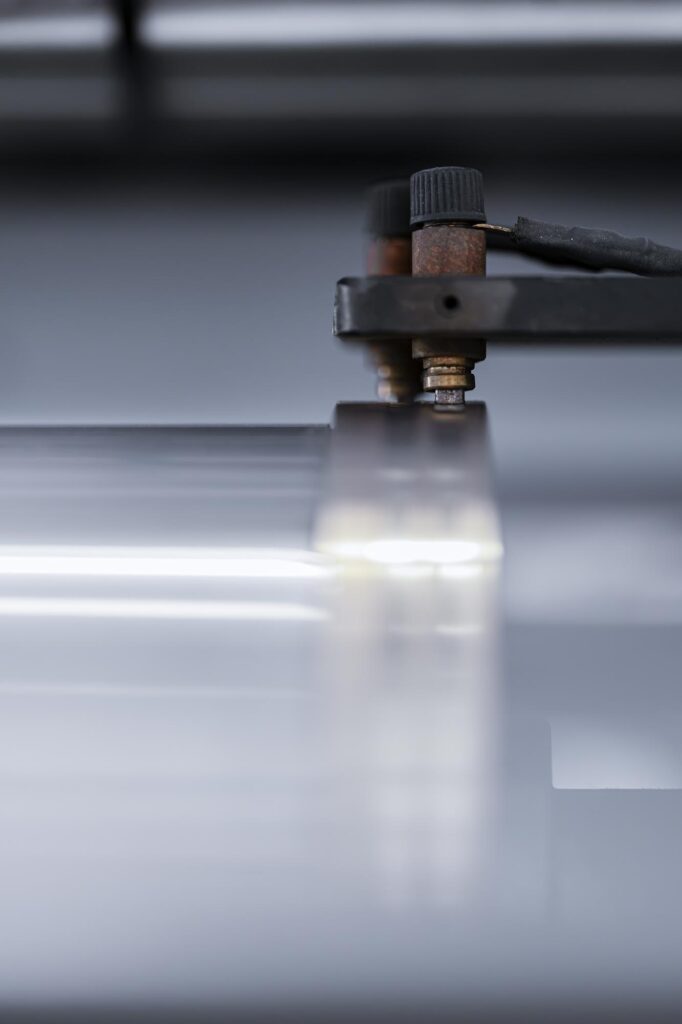
Samples & Tests
Before our high-performance materials go into mass production, they are tested. We manufacture samples, conduct tests, and review the results with you. This allows us to minimize development risks and lay a solid foundation for the next stage.
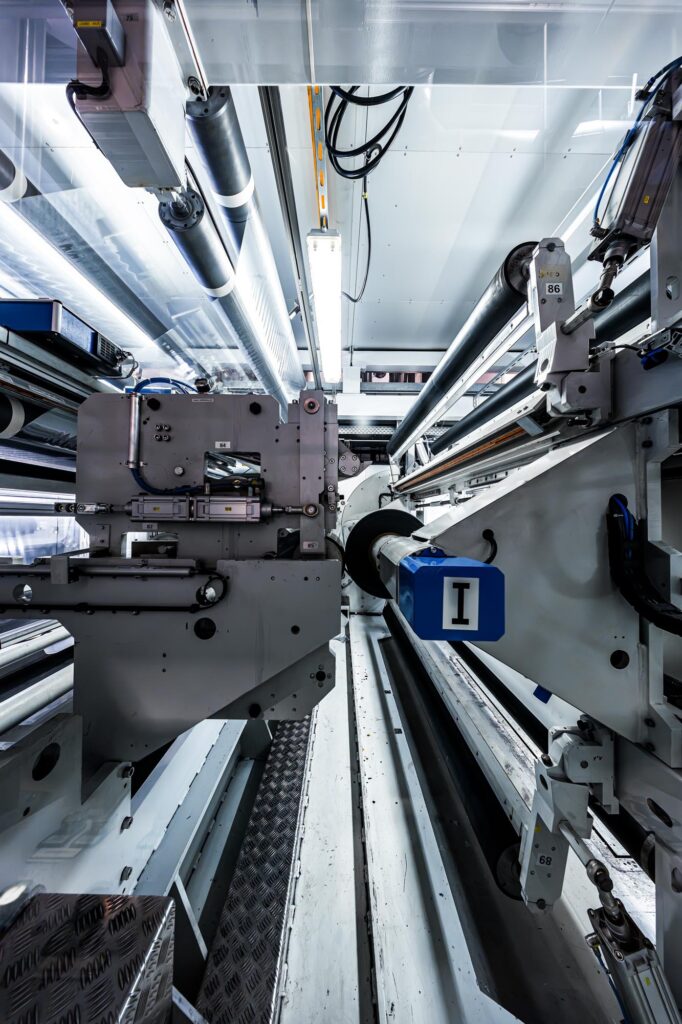
Process Optimization
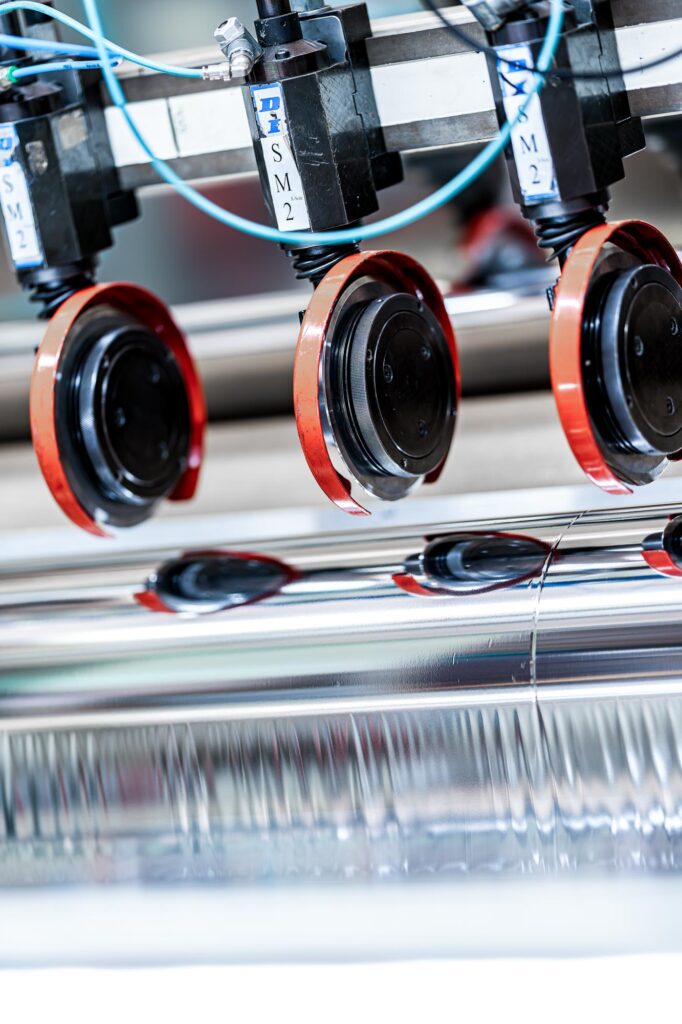
Coating, metallization, lamination, assembly—we handle all these processes under one roof. This enables rapid adjustments, short iteration cycles, and precise coordination between materials and manufacturing processes.
Readiness for mass production
If the prototypes and tests meet our standards, we move the solution into mass production. With stable processes, documented quality, and reliable delivery—ensuring that your product remains predictable and reproducible.
Do you have a requirement that doesn't fit any standard solution? Talk to us—we'll assess feasibility and outline the next steps for custom film solutions and coatings. Directly, without any detours.
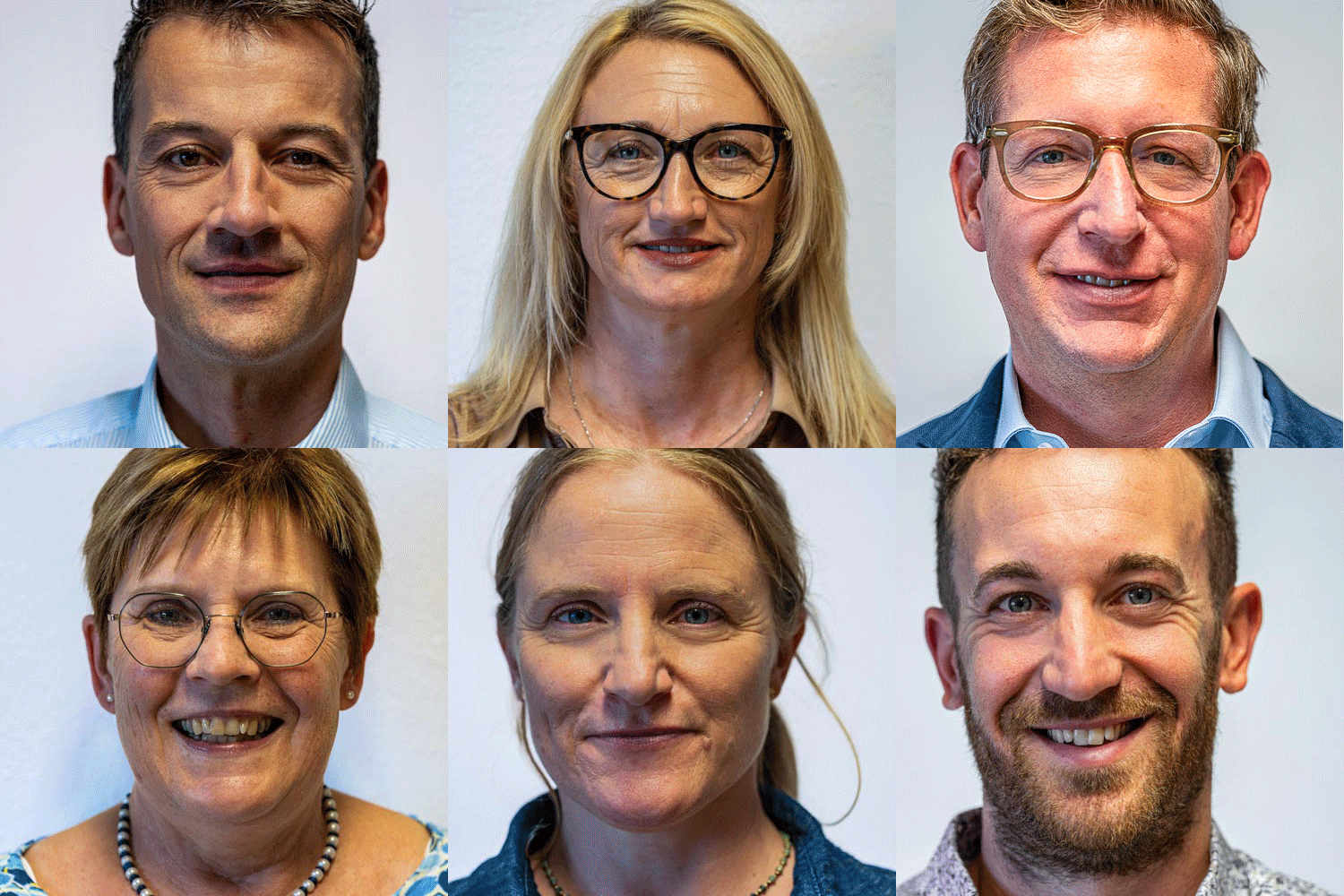
Team Dunmore Europe
kontakt@dunmore.de
Dunmore develops custom material systems made of films, paper, or nonwovens when standard products do not meet the requirements. The substrate, layer structure, surface, function, and format are tailored to the application in collaboration with the customer. The result is a customized, tested solution for prototype or mass production.
The most important factors are the operating environment, contact media, temperature range, mechanical stresses, optical requirements, and the planned further processing. Based on this information, we develop initial specifications and test proposals. You don’t need to provide complete data for the initial consultation—we’ll work with you to determine what’s still missing.
Together, we define measurable criteria, develop prototype variants, and refine the results through short iterations. The goal is a solution that not only works in the lab but also operates reliably and reproducibly in the customer’s production environment.
Through defined specifications, documented process parameters, and standardized testing methods. This allows for a consistent evaluation of prototypes, pilot batches, and production runs. The documentation is structured so that it can be integrated into internal approval processes.
Yes. Dunmore provides transparent information and evidence that fits into your approval process. We rely on clear documentation rather than vague promises—and can incorporate sustainability requirements right from the material selection and layer structure stages.