Electrical Insulation
PV backsheets must act as electrical insulators for the power-generating module components. Dunmore develops film systems with specific dielectric properties for this application.
The solar cell generates electricity. Our films determine how long.
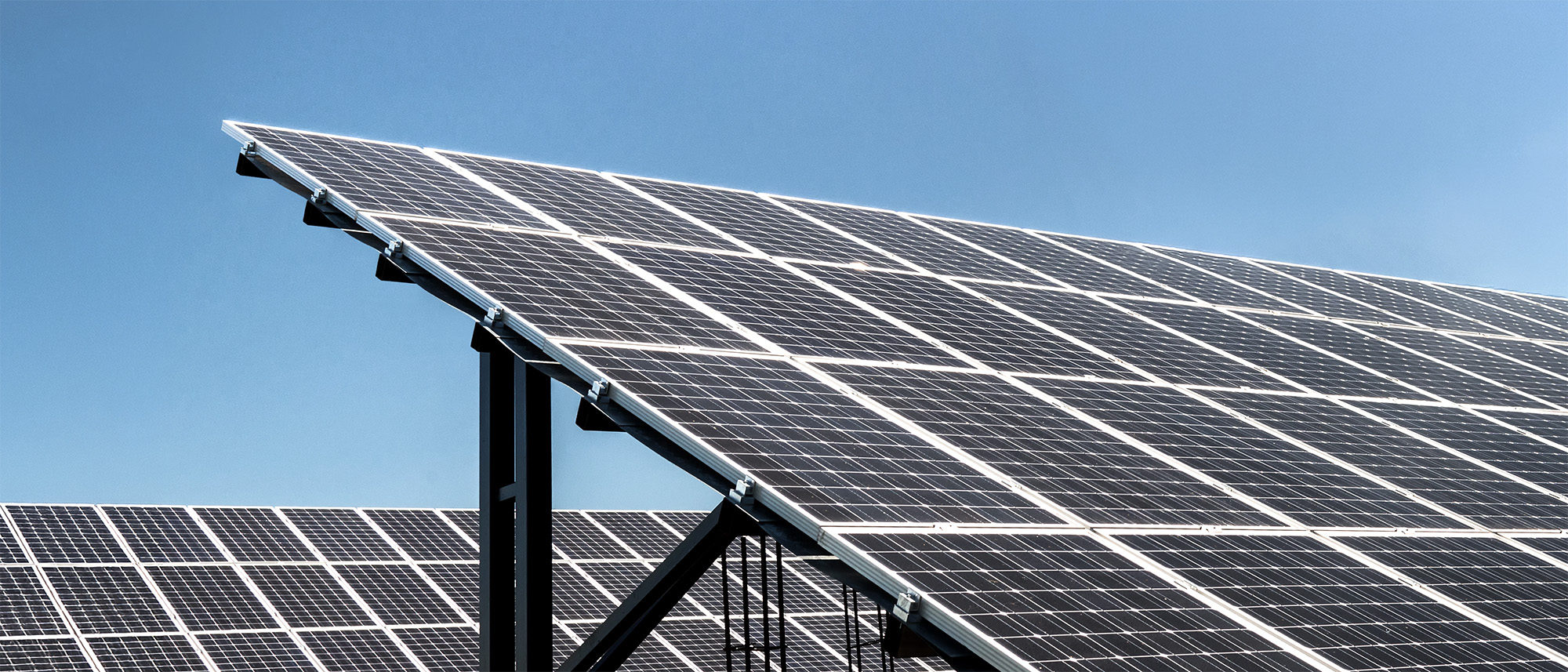
Solar technology must be protected from moisture, UV radiation, and electrical breakdown. At the same time, it must remain stable for years without delamination or loss of barrier properties. We develop laminated film systems that do exactly that.

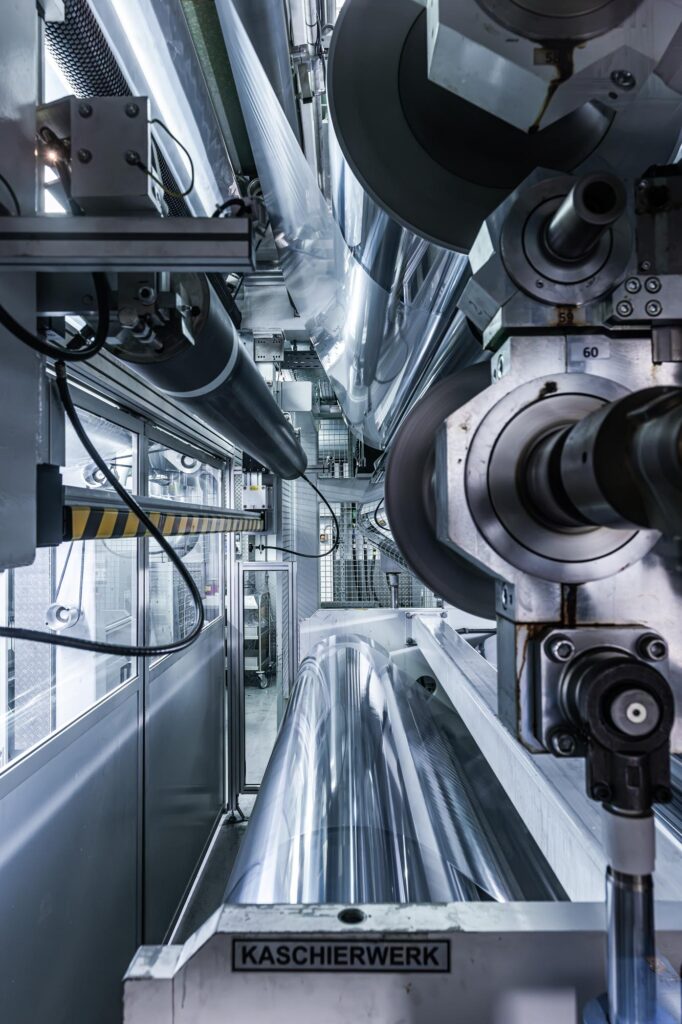
The backsheet is the outermost layer on the back of a photovoltaic module. It protects the sensitive solar cells from moisture, UV radiation, and mechanical stress, while also providing electrical insulation. If the backsheet fails, it can lead to corrosion, a drop in performance, and safety risks due to electrical breakdown.
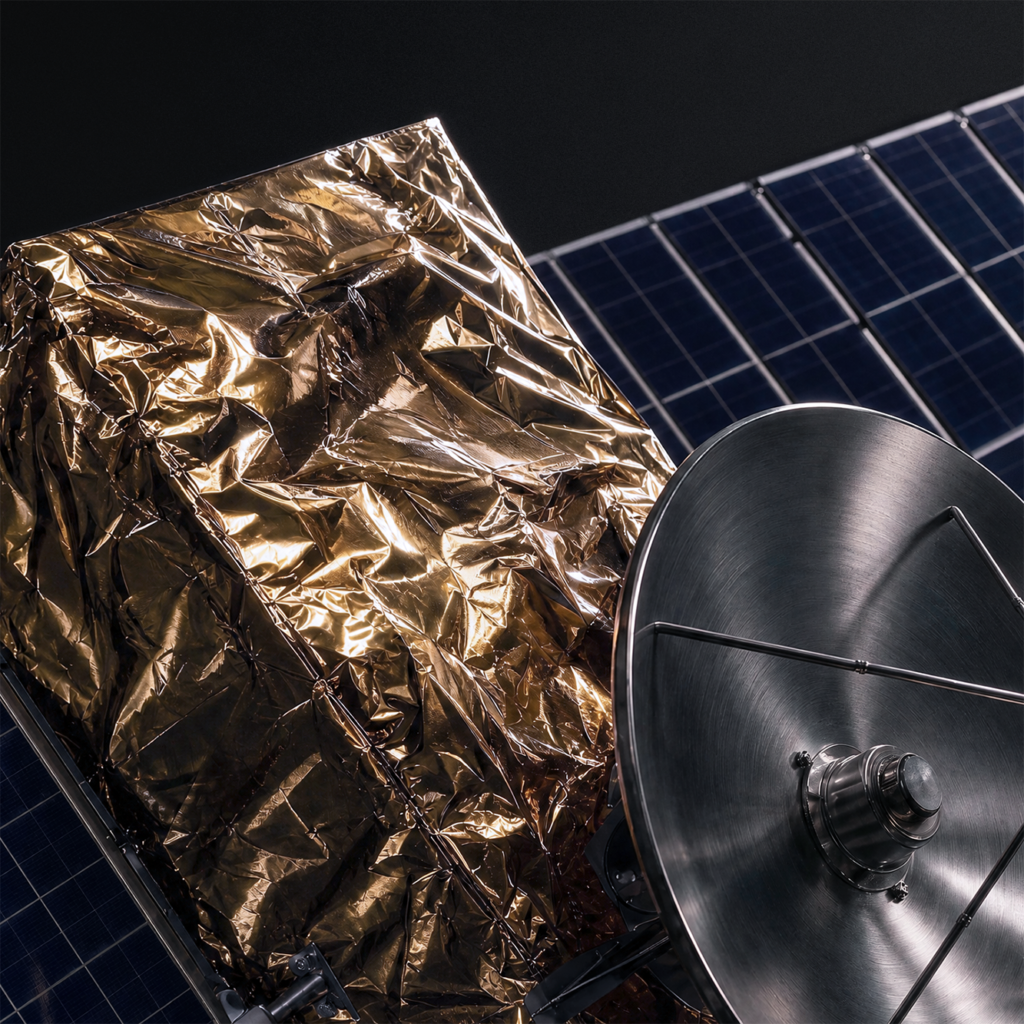
The expertise in materials that we have developed in the creation of insulation materials for satellites and aerospace applications is the same expertise that matters in solar films: UV resistance, thermal stability, precise barrier properties, and reproducible processes over long periods of time. We source films and nonwovens and transform them through coating, lamination, and metallization into functional material systems that meet multiple requirements within a single composite.
PV backsheets must act as electrical insulators for the power-generating module components. Dunmore develops film systems with specific dielectric properties for this application.
The ISO 9001 quality management system ensures reproducible processes, consistent material properties, and traceable manufacturing documentation.
For decades, Dunmore has been developing insulation materials for satellites that can withstand extreme temperatures, UV radiation, and vacuum conditions. This expertise in materials is directly applied to the development of solar films.
Since 1985, Dunmore has been developing multilayer insulation films for satellites and spacecraft. Multilayer, aluminum-coated polyester or polyimide layers reflect thermal radiation and support the thermal management of sensitive instruments. This experience with high-performance reflective materials forms an important foundation for solar films and other applications that require specific thermal properties.
The PV backsheet is the protective material on the back of a solar module. It protects the solar cells from moisture, UV radiation, and mechanical stress, while also acting as an electrical insulator. Dunmore develops laminated backsheet materials for crystalline and thin-film photovoltaic modules.
Thin-film solar modules place specific demands on backsheet materials: low weight, high flexibility, and precise barrier properties. Dunmore develops film systems for various thin-film technologies that combine a moisture barrier and mechanical protection in a single composite.
Metallized films can be used as a reflective layer in solar applications to control thermal radiation and reduce the thermal load on module components. Dunmore manufactures metallized substrates using vacuum aluminum deposition, which combine high reflectivity with low weight.
Talk directly with our team in Freiburg. We’ll evaluate your requirements from a technical perspective and guide you from your initial sample request all the way to a production-ready solution.

Team Dunmore Europe
kontakt@dunmore.de
A PV backsheet is the outermost layer on the back of a solar module. It protects the sensitive solar cells from moisture, UV radiation, temperature fluctuations, and mechanical stress. At the same time, it acts as an electrical insulator for the module’s power-generating components. A backsheet that does not consistently meet these requirements can lead to corrosion, a drop in performance, and electrical safety hazards.
Laminated film systems are used for electrical and thermal insulation in photovoltaic modules; these systems combine several functions in a single composite: moisture barrier, UV resistance, mechanical stability, and defined dielectric properties. Typical substrates include polyester films (PET) and fluoropolymer films, which are coated and laminated as required.
Solar modules are exposed to direct UV radiation throughout their entire service life of twenty years or more. Materials without sufficient UV resistance become brittle, lose their barrier properties, or delaminate. This not only compromises the module’s protection but can also jeopardize electrical insulation. UV-stable coatings and the selection of suitable substrates are therefore fundamental requirements for any backsheet material.
Crystalline solar modules typically use rigid glass covers and require backsheets with high moisture barrier properties and electrical insulation. Thin-film photovoltaics often use more flexible module designs and have specific requirements regarding weight, flexibility, and barrier performance. The choice of materials and the layer structure of the backsheet must be tailored to the specific module design and the cell technology used.
Yes. We support customers in Europe every step of the way—from defining requirements through prototyping and lab testing to production-ready implementation. The substrate, layer structure, barrier function, and format are tailored to the specific application. Development takes place directly at our Freiburg location, with short lines of communication and technical consultation on an equal footing.