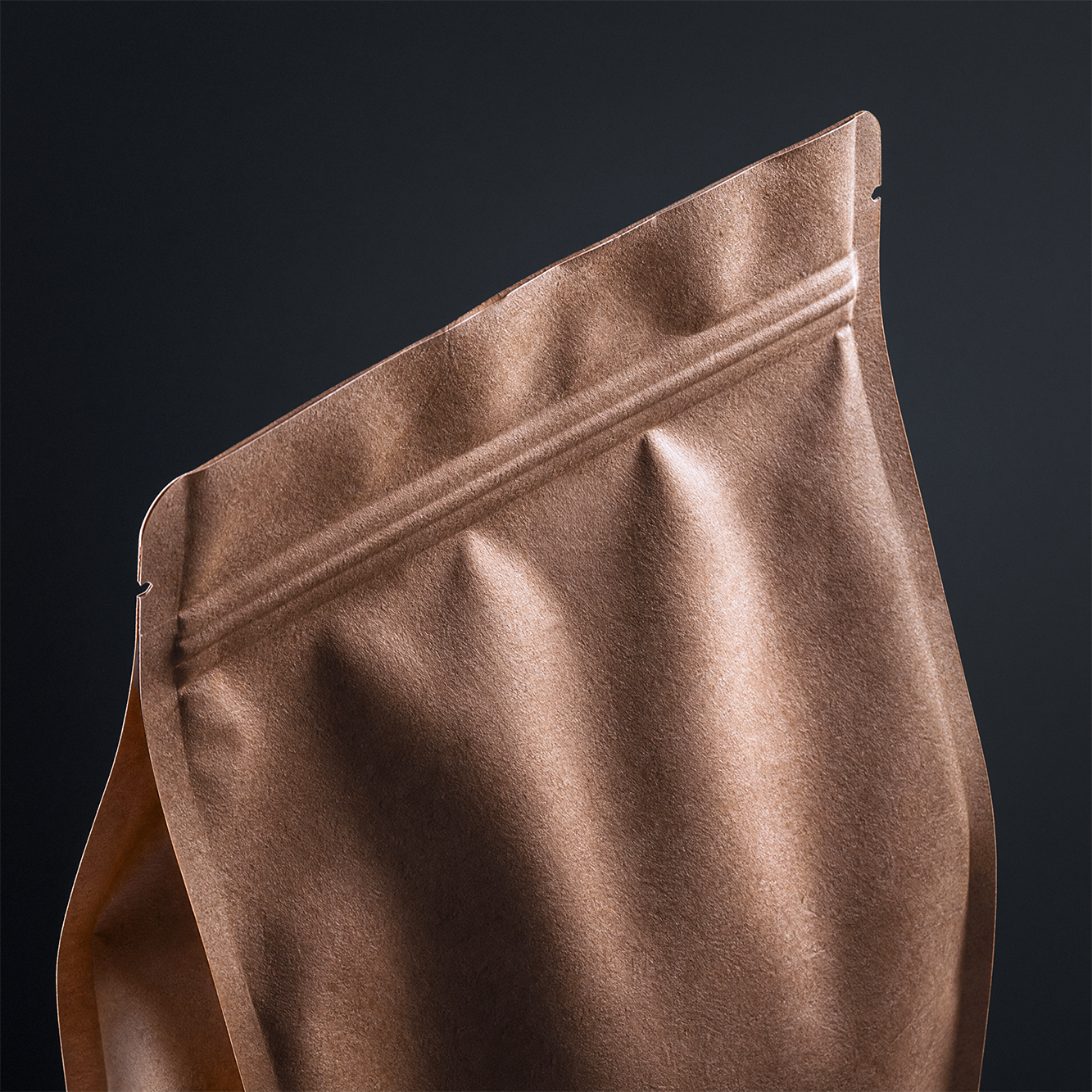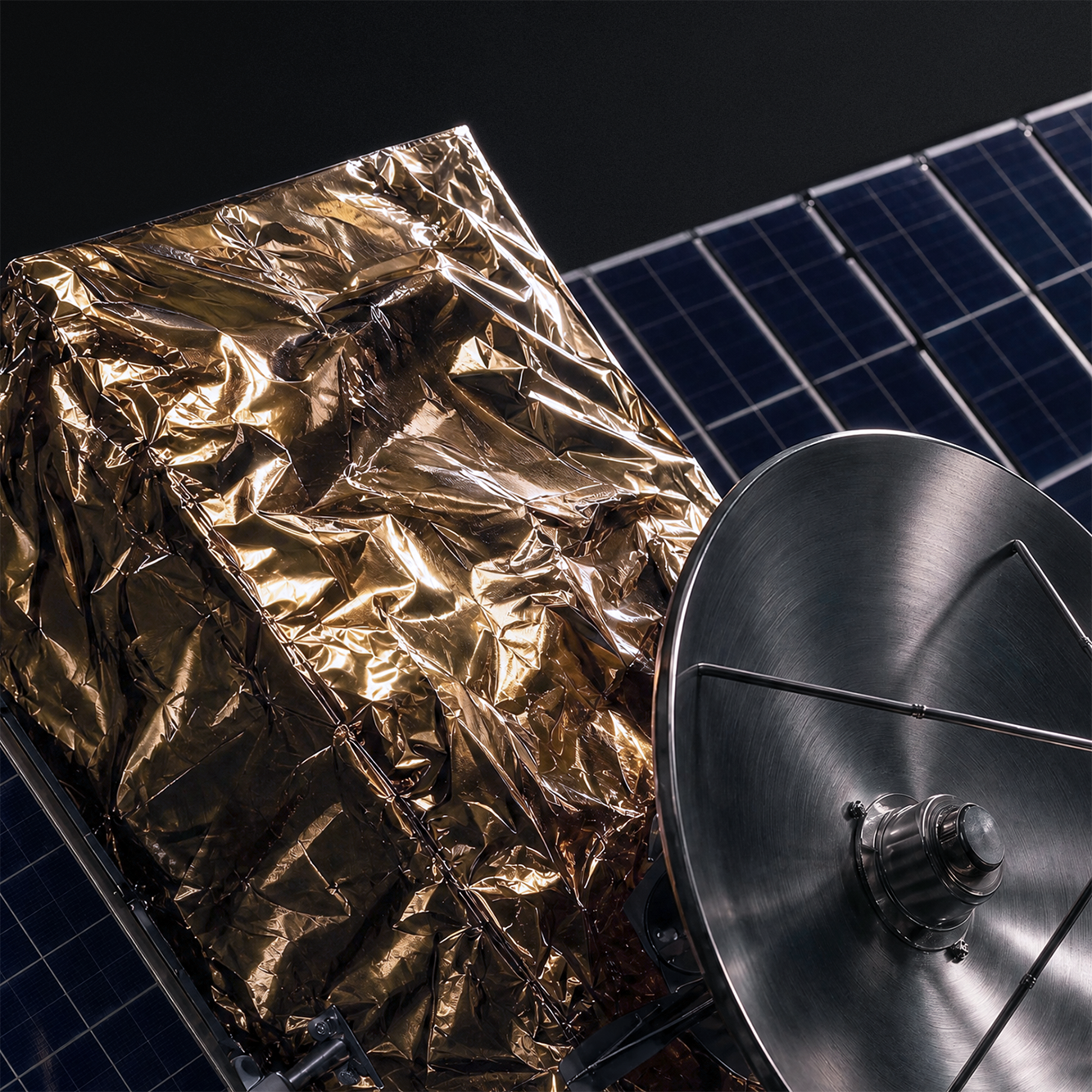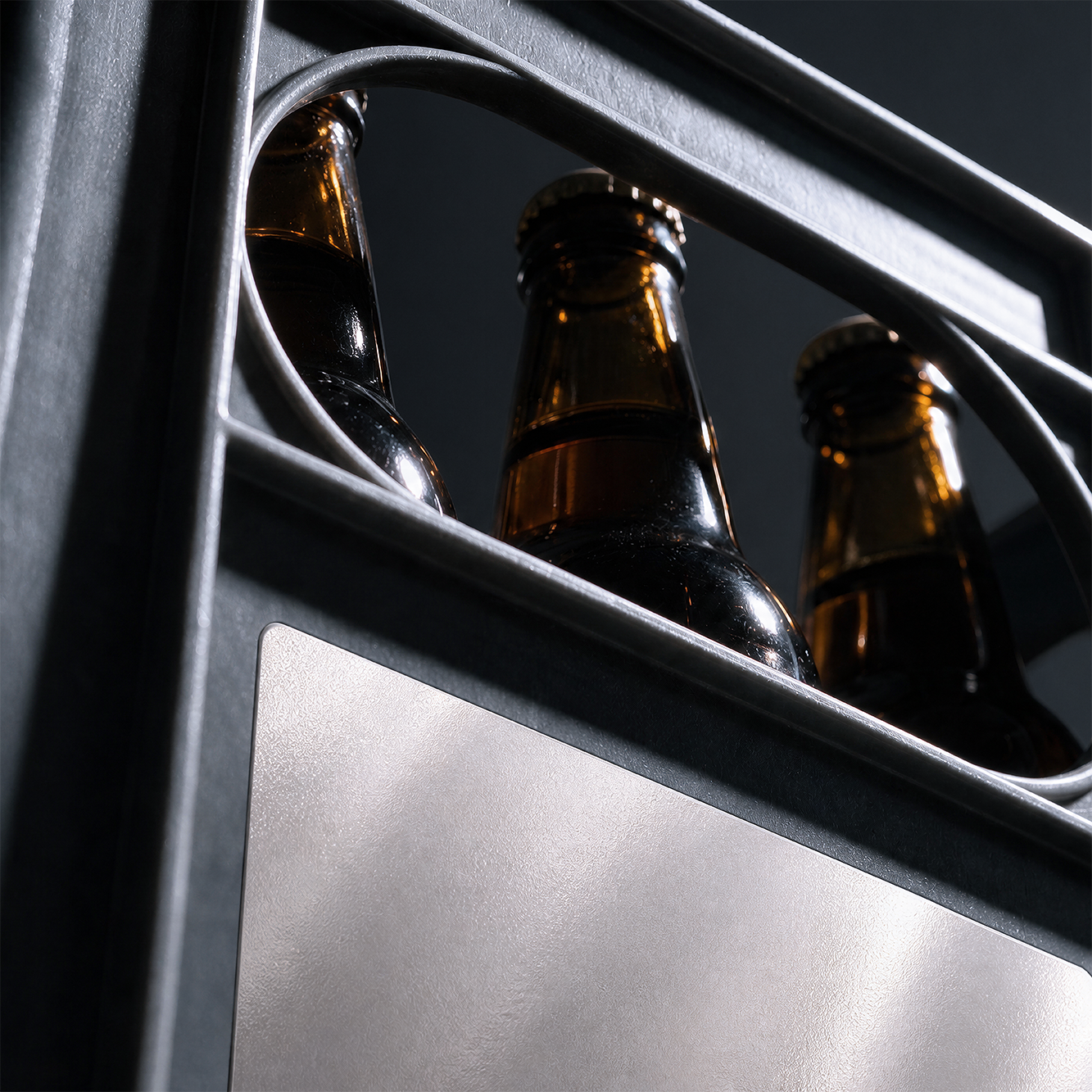
Integrated Process Chain
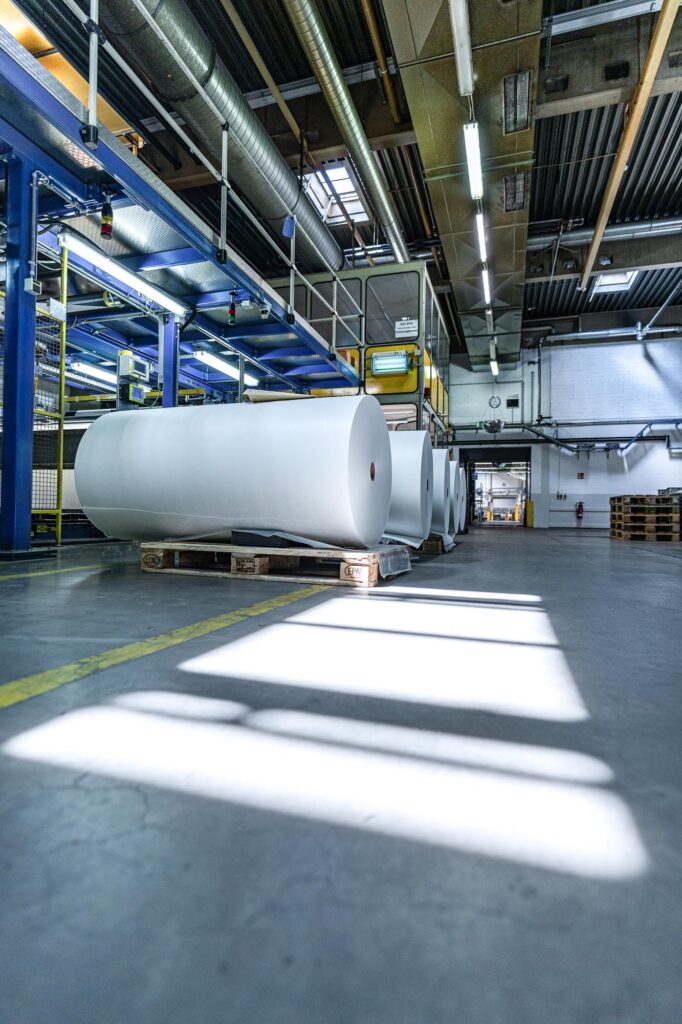
Coating, metallization, lamination, and assembly are combined in a roll-to-roll process. The result is a reproducible composite system from a single source.
When surfaces need to do more than just look good: metallic, functional, and texturally diverse finishing solutions—all from a single source.
 Generated by AI
Dunmore Europe develops and manufactures enhanced material systems that enhance the appearance of surfaces while also meeting functional requirements such as scratch resistance, printability, and protective properties.
Coating, metallization, lamination, and assembly are combined in a roll-to-roll process. The result is a reproducible composite system from a single source.
Dunmore supports projects from the requirements specification through prototyping and testing all the way to production-ready implementation—with direct access to development and engineering.
For us, surface finishing means developing a material system that combines visual appeal and technical functionality in a single structure.
The process begins with various substrates. Depending on the requirements, metal layers are deposited on these substrates using a vacuum process, primer or adhesive layers are applied, topcoats are applied to provide scratch resistance or printability, and finally, protective or decorative layers are laminated.
At Dunmore, the process chain is not handled sequentially by different suppliers, but is managed through integrated manufacturing at our facilities. Coating, metallization, lamination, and assembly are all interlinked.
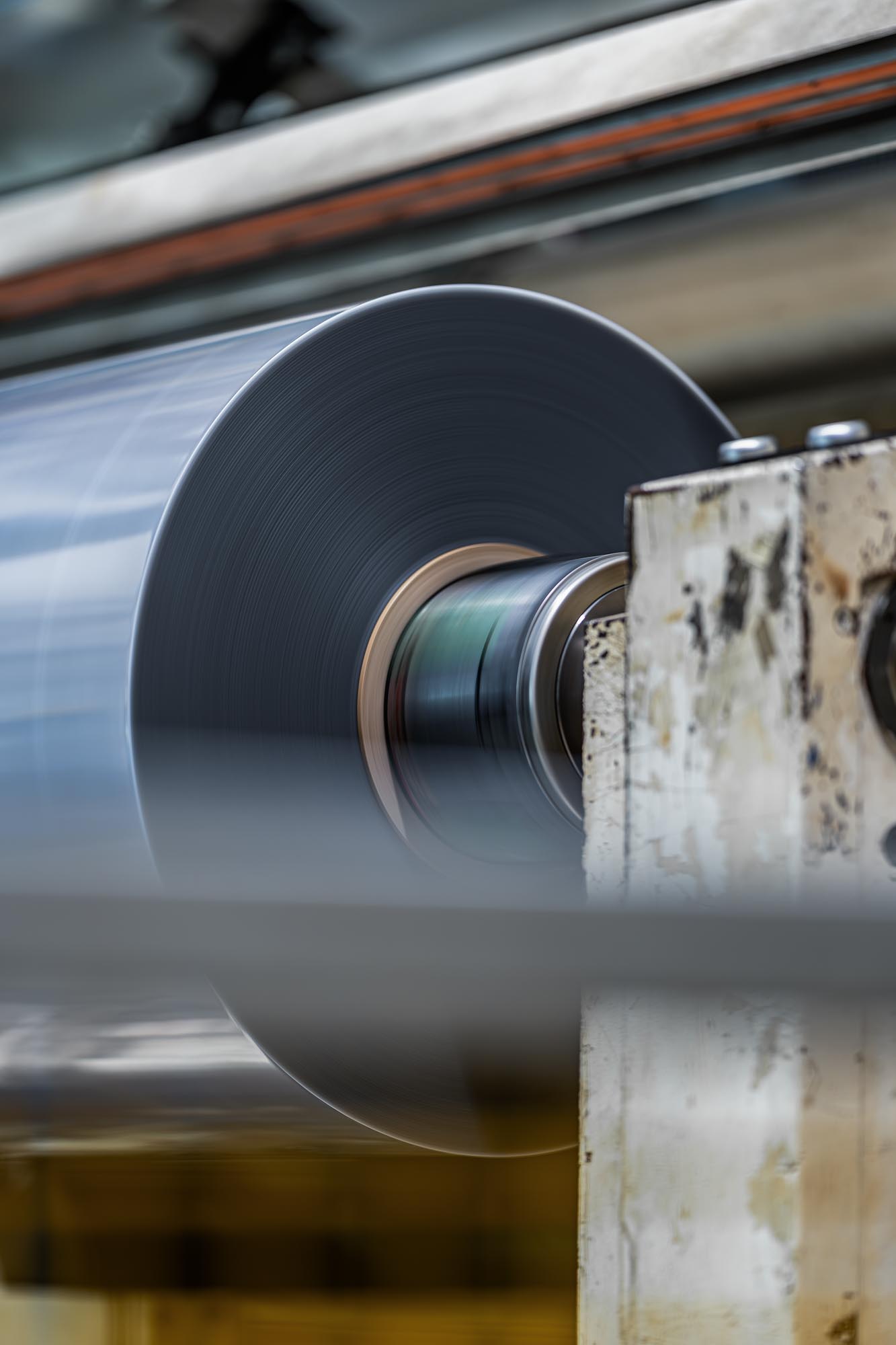
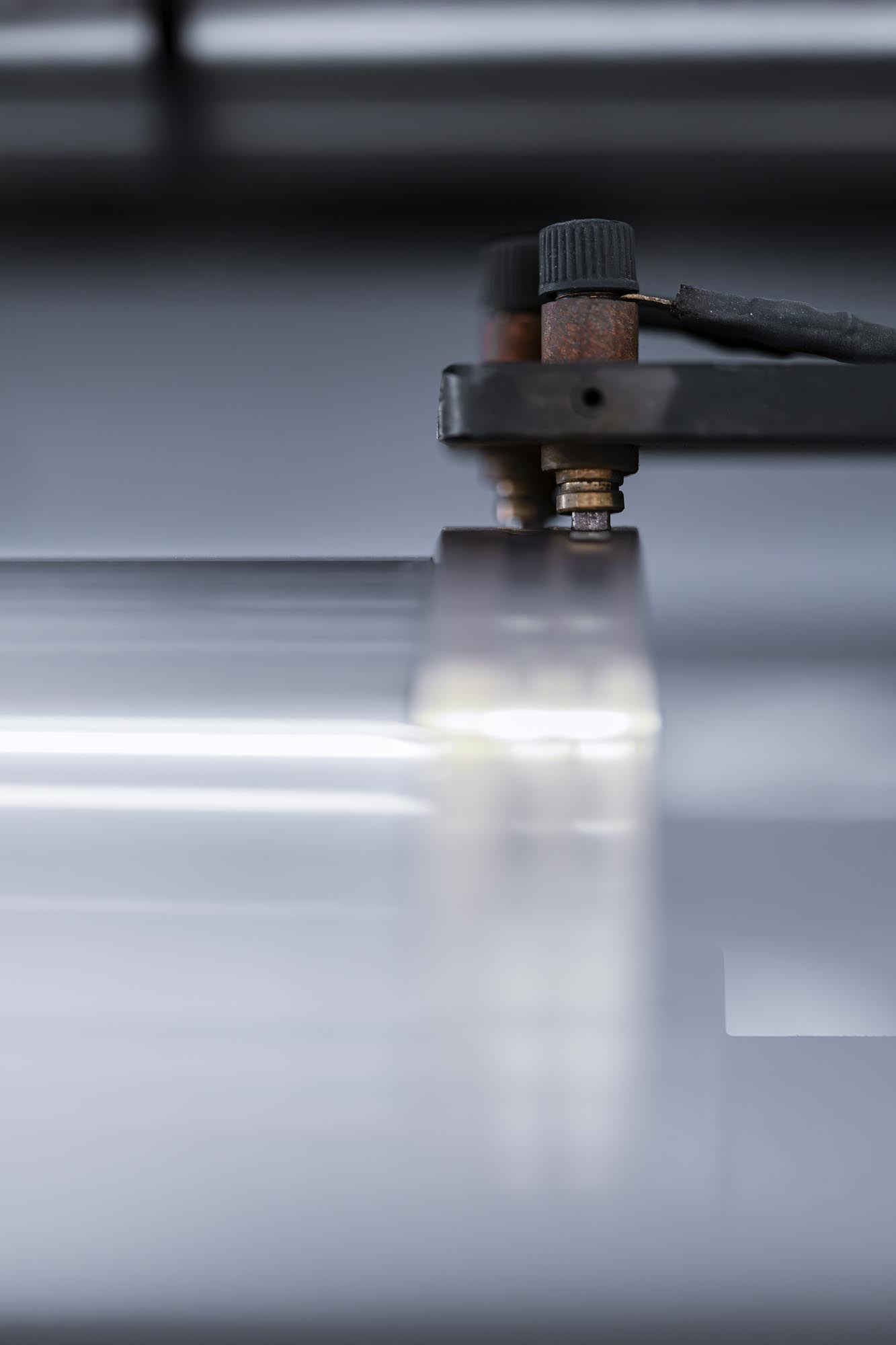
This reduces interface risks, ensures reproducibility, and enables setups that would not be feasible with isolated individual processes.
The result is composite materials that have a metallic sheen, feel velvety soft, remain scratch-resistant, or can be printed on with precision—depending on the application’s requirements.
Many surface finishing requirements cannot be met with a standard off-the-shelf product. If a surface needs to have a metallic appearance, remain scratch-resistant, and be compatible with a specific printing process, you need a development partner who can take a holistic approach to the substrate, coating structure, and process.
We support our customers from the initial requirements analysis through laboratory and pilot testing all the way to validated series production. Our development, engineering, and production teams work closely together at our Freiburg location.
The result: shorter development cycles, fewer design flaws, and materials that are tailored to the application from the very beginning. Customers in the aerospace, automotive, and consumer goods industries use this approach to bring technically sophisticated finishing solutions to production-ready status.
Whether you have a specific request, an unanswered question, or are looking to compare materials for the first time, the Dunmore Europe team in Freiburg is available to assist you directly. We’ll discuss your application, assess its feasibility, and work with you to determine the next steps.
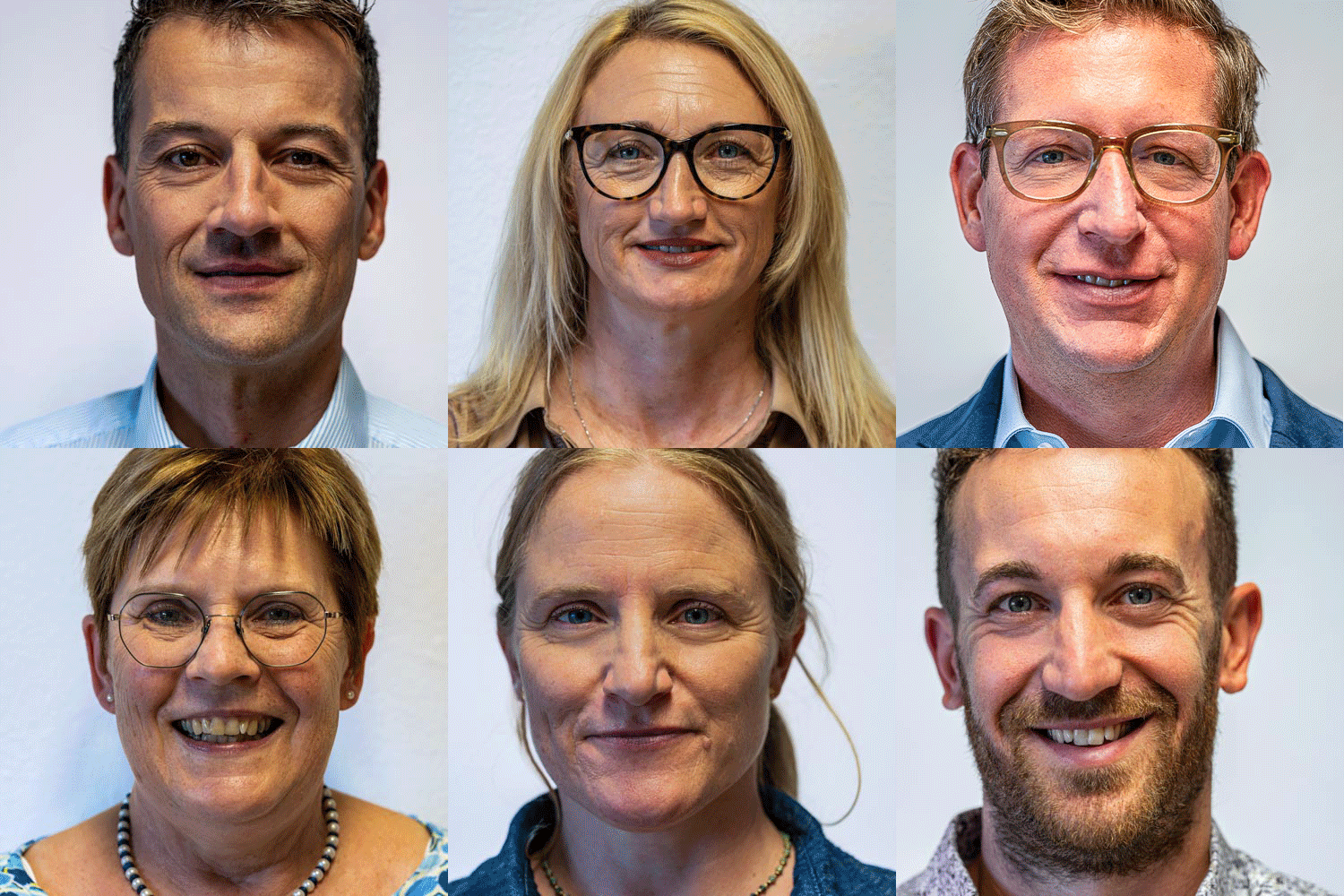
Team Dunmore Europe
kontakt@dunmore.de
From the initial request to production-ready implementation, Dunmore supports you every step of the way. Clearly structured, technically sound, and with direct access to the development team.

Requirements Analysis
It all starts with your challenge: Together, we analyze your technical requirements, operating conditions, and regulatory framework.
Material & Layer Structure
Based on your requirements, we develop a solution: Which substrates, processes, and functional layers are suitable?
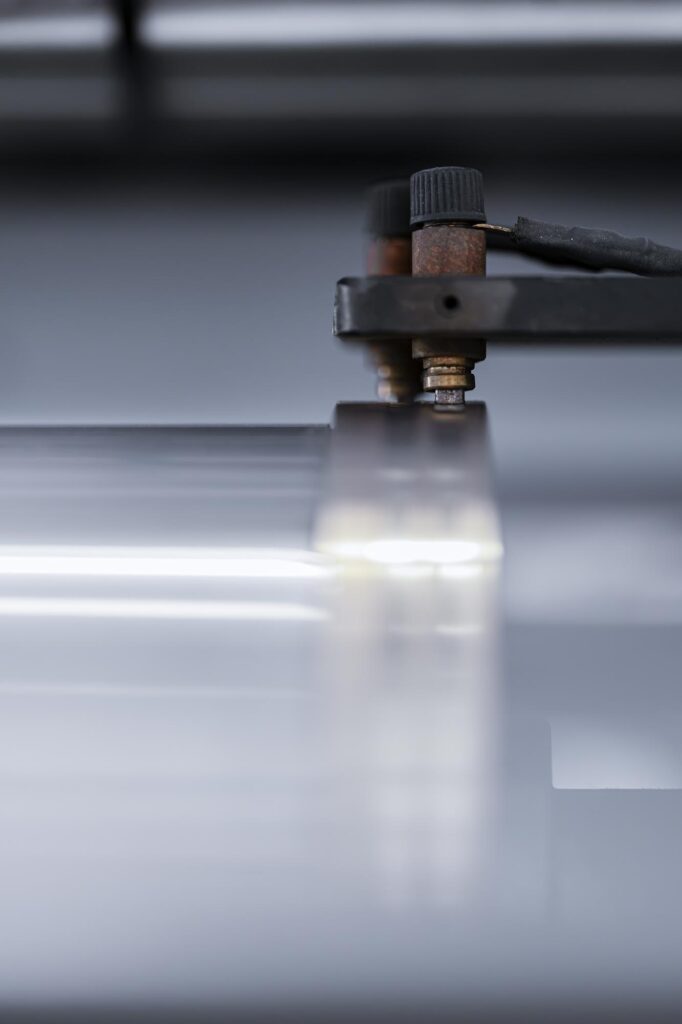
Samples & Tests
Before our high-performance materials go into mass production, they are tested. We manufacture samples, conduct tests, and review the results with you.
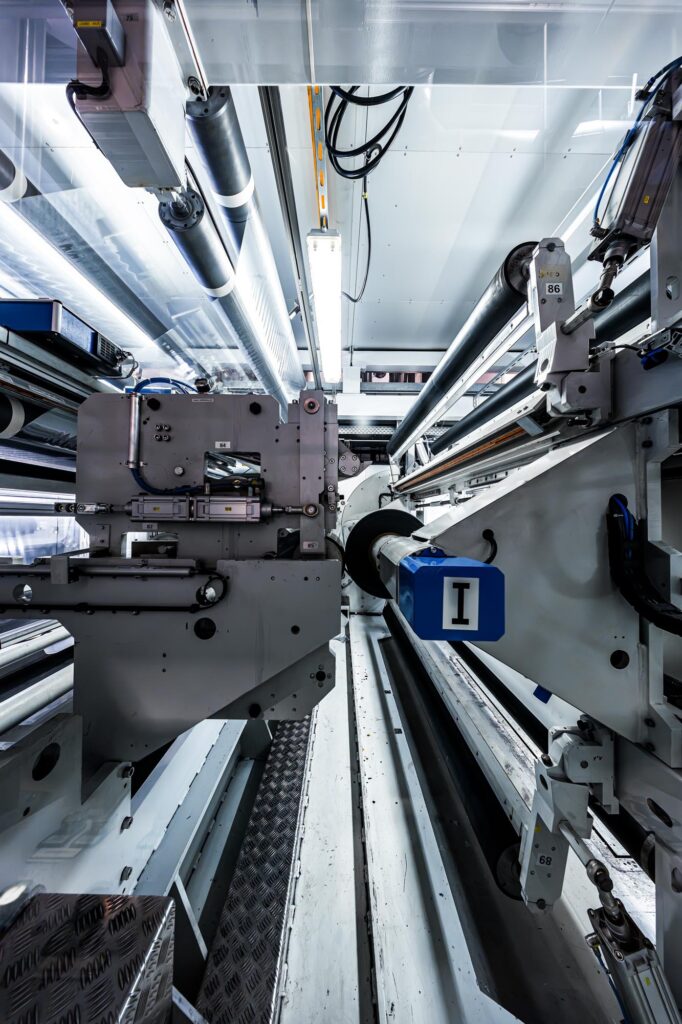
Process Optimization
Coating, metallization, lamination, assembly—we handle all these processes under one roof. This enables quick adjustments and short iteration cycles.
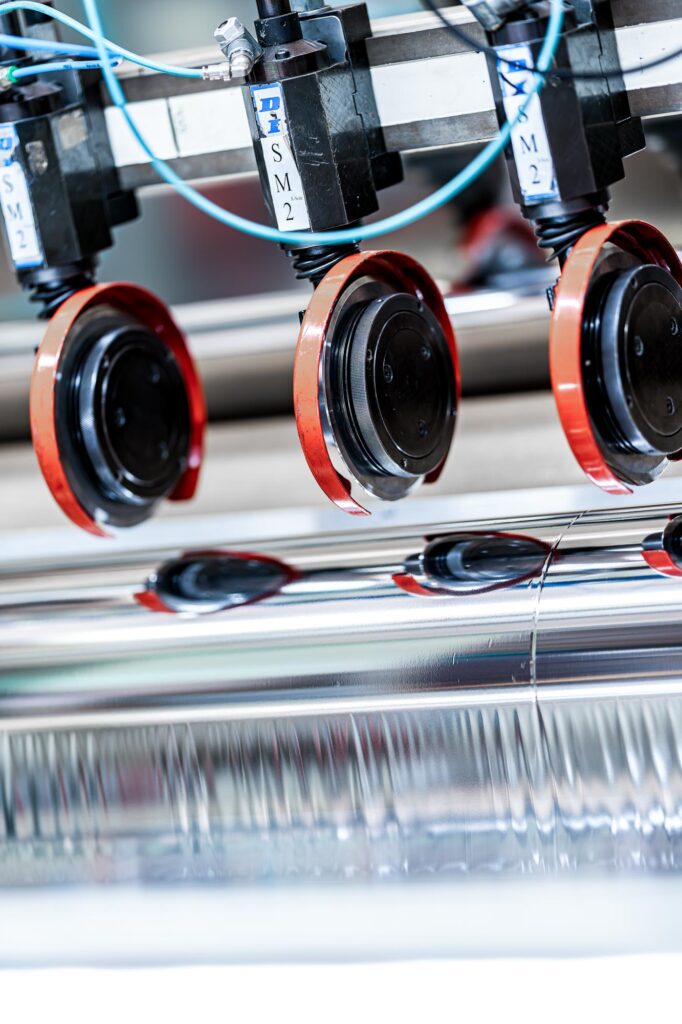
Readiness for mass production
If the prototypes and tests are satisfactory, we move the solution into mass production. With stable processes, documented quality, and reliable delivery—so that your product remains predictable and reproducible.
Surface finishing refers to processes in which material surfaces are specifically enhanced, either visually or functionally. The result can be a metallic sheen, a matte finish, a soft-touch surface, a scratch-resistant finish, a pressure-sensitive surface, a protective coating, or a surface with distinct tactile properties. In industry, surface finishing is used to make substrates such as films, paper, or nonwovens suitable for demanding applications in the cosmetics, automotive, aerospace, and interior design sectors.
Industrially relevant processes include coating (topcoat, primer, functional coating), lamination (bonding multiple layers of material), and converting processes such as embossing and perforation. Dunmore combines these processes in integrated roll-to-roll processes to create composite systems that incorporate multiple functions in a single structure.
Surface finishing is used to impart properties to materials that the substrate does not possess on its own. These can include visual effects such as a metallic sheen or a matte finish, as well as functional properties such as scratch resistance, UV resistance, printability, barrier properties, or chemical resistance. In industrial applications, multiple functions are often required simultaneously, which calls for integrated finishing processes.
Dunmore coats flexible substrates such as plastic films (PE, PP, PET, PA, specialty films), paper, metal foils, and nonwovens. The choice of substrate depends on the application, the required functions, and downstream processes such as printing, lamination, or finishing.