Roll-to-roll manufacturing
Coating thickness, viscosity, web tension, and surface energy are monitored at every stage of production. This reduces typical defects such as delamination, uneven metallization, or barrier gaps.
Buildings must last for decades. So must the materials used in them.
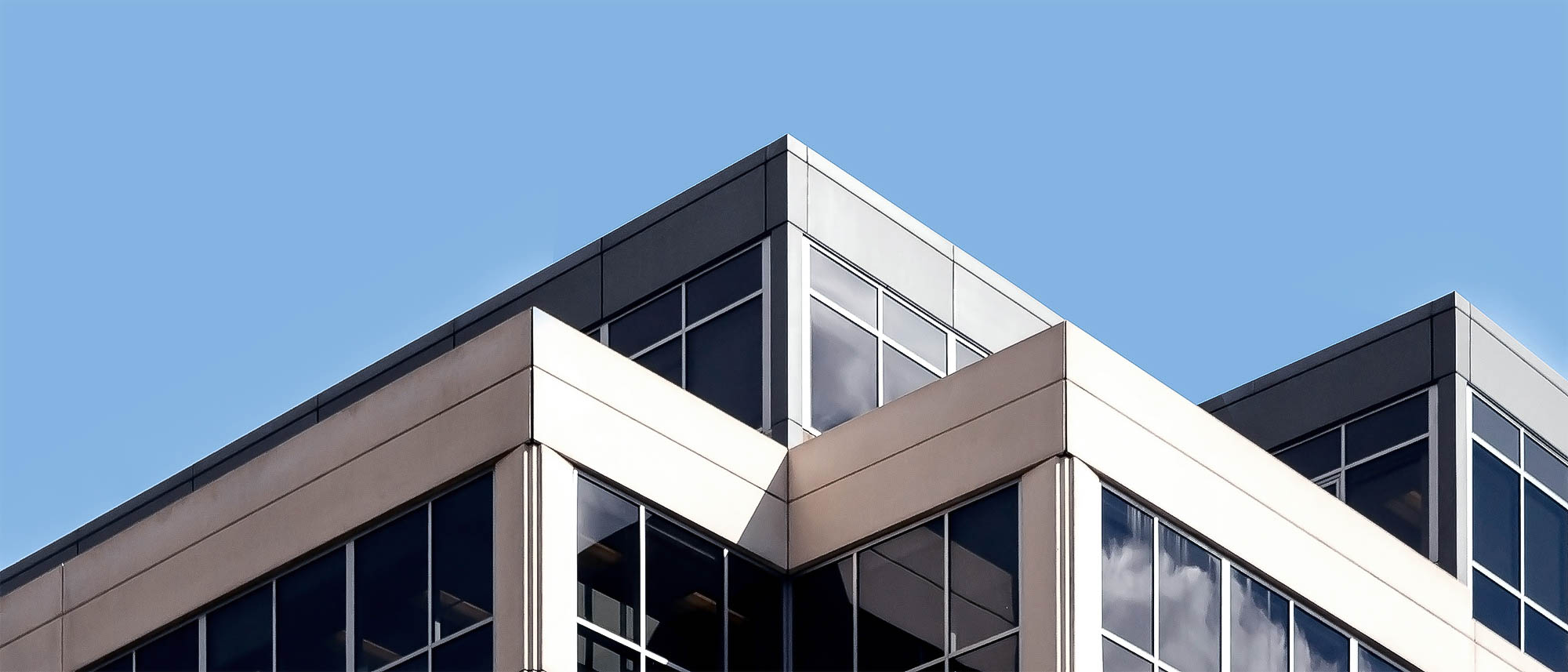
Any materials used in the building must withstand UV radiation, temperature fluctuations, and moisture exposure for decades. The right combination of materials depends on the application. We develop them.
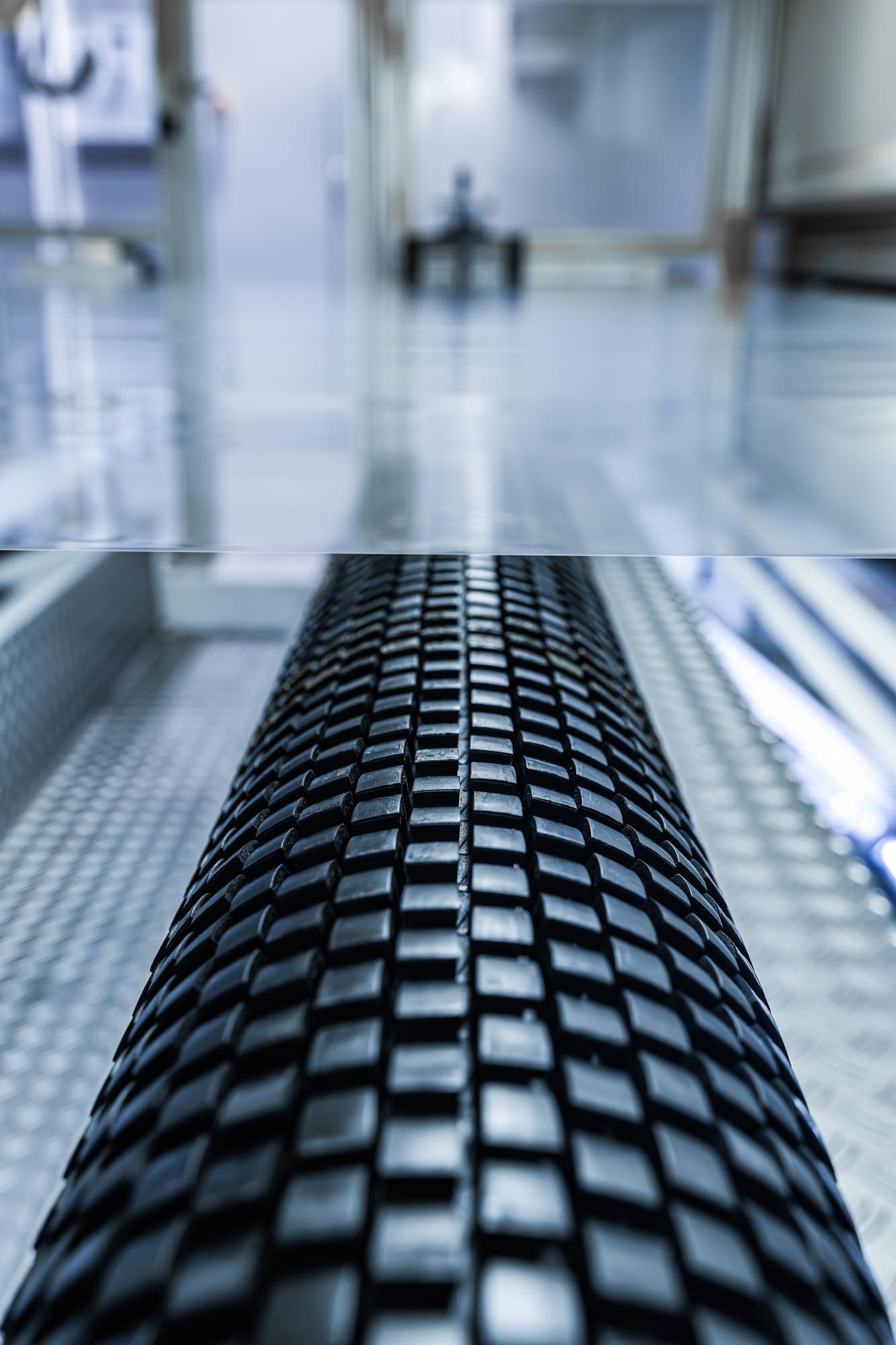
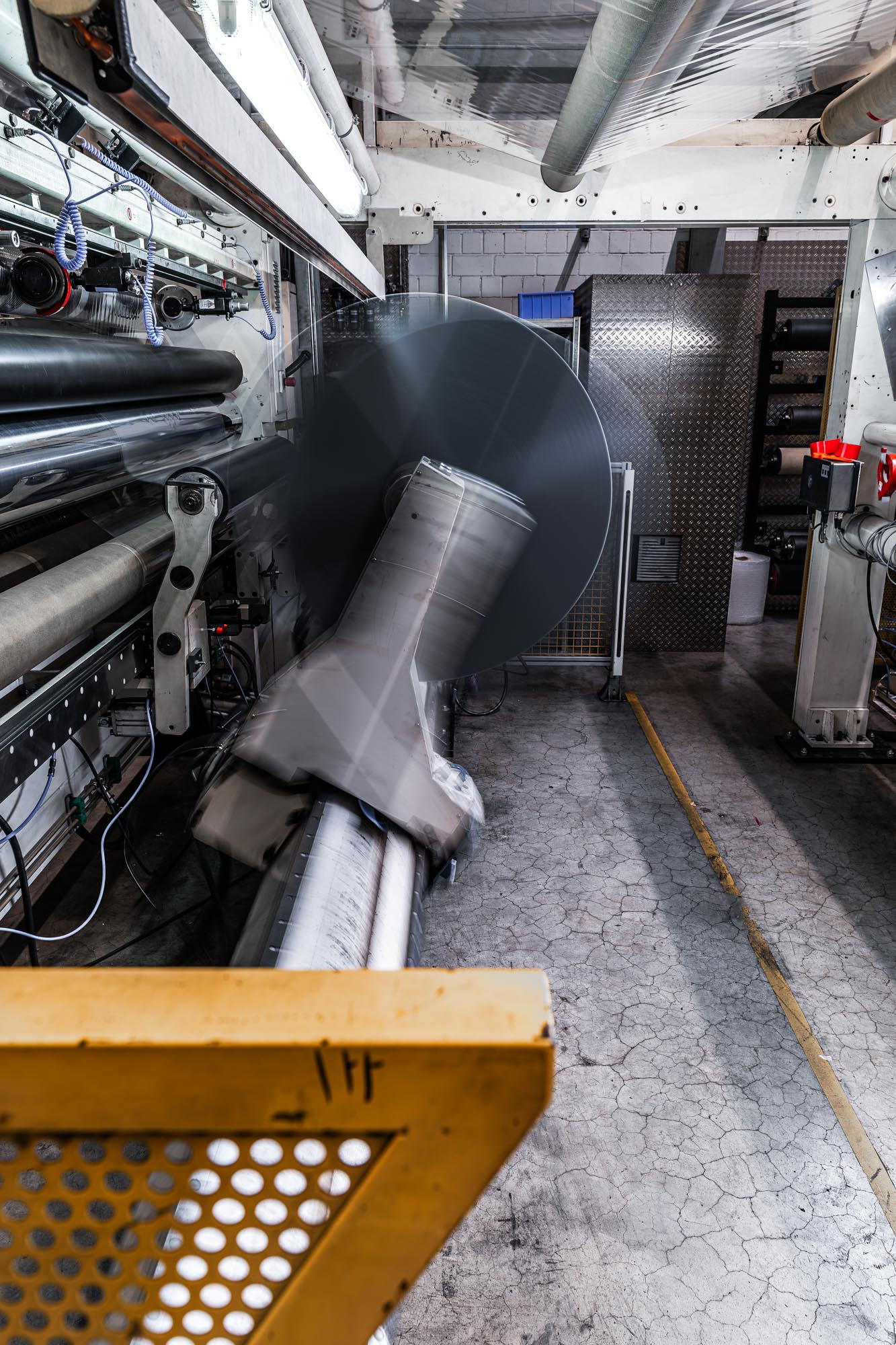
Building materials are not subjected to laboratory conditions. They must withstand UV radiation, temperature fluctuations, moisture penetration, and mechanical stress over many years. At the same time, requirements for energy efficiency and the building envelope are increasing: Standards such as the Energy Saving Ordinance and the European Energy Performance of Buildings Directive (EPBD) are putting greater pressure on manufacturers to use materials with verifiable performance.
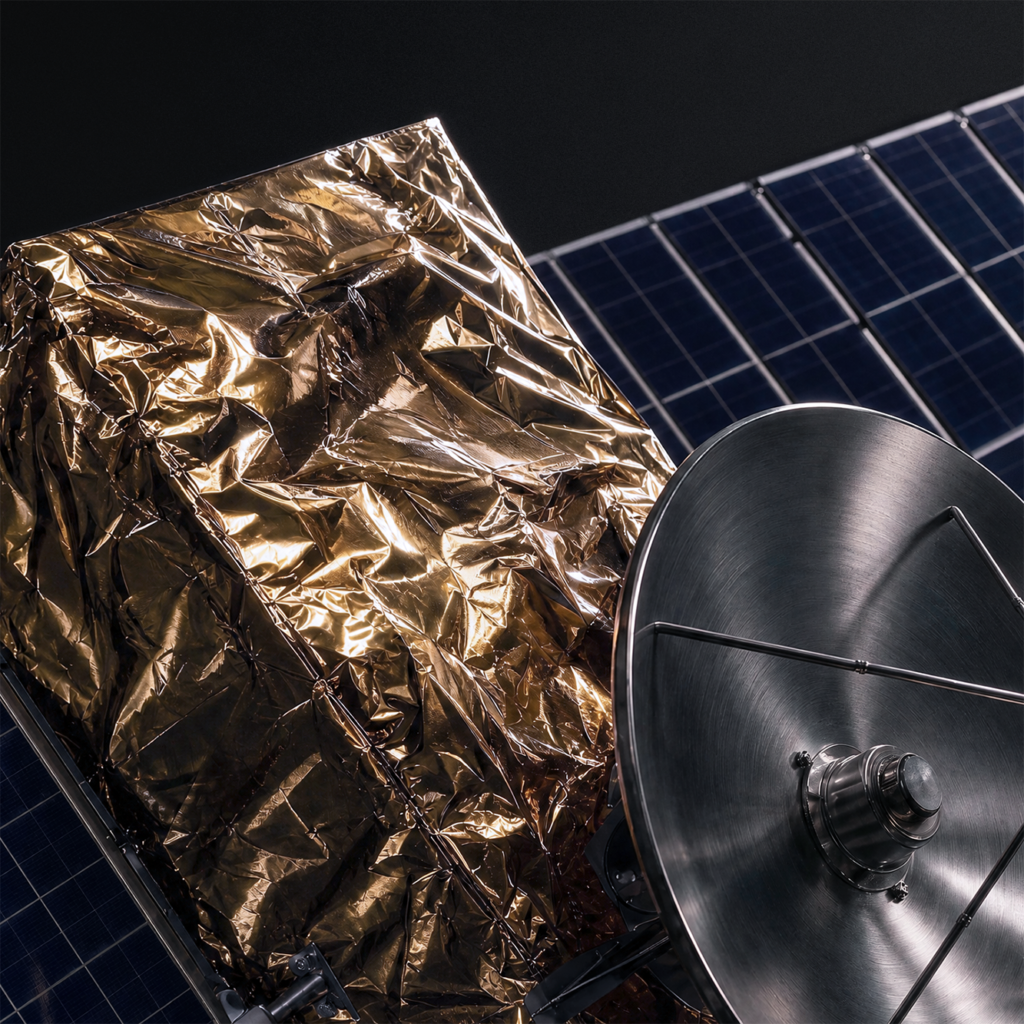
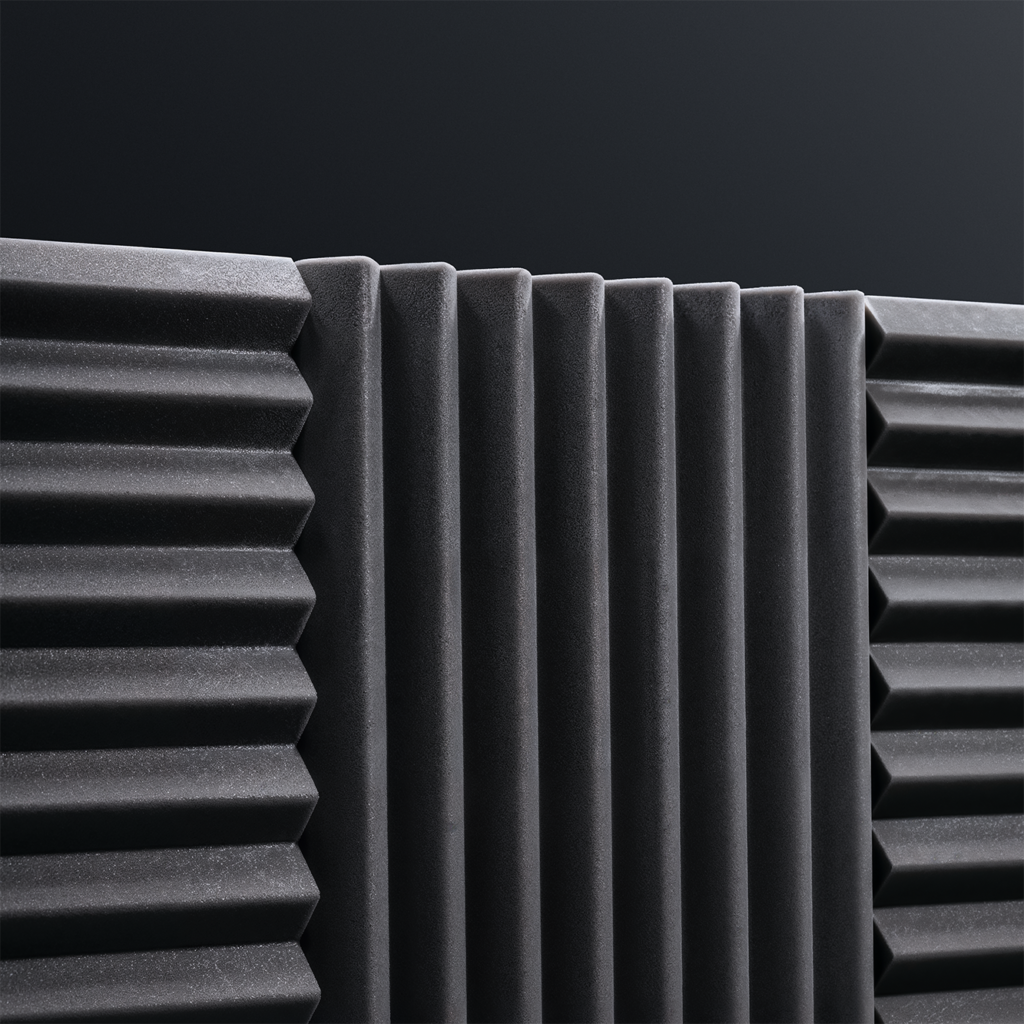
We transform various films, nonwovens, and foams into functional material systems through coating, metallization, lamination, and finishing. For European customers in the construction industry, this means having a development partner who supports them every step of the way—from defining requirements through prototyping and testing to a production-ready solution—with streamlined processes and direct communication from our Freiburg location.
Processing widths of up to 2,450 mm, film thicknesses ranging from 12 to 300 µm, and coating weights ranging from 0.5 to 40 g/m² allow for flexible adaptation to various production requirements.
Coating thickness, viscosity, web tension, and surface energy are monitored at every stage of production. This reduces typical defects such as delamination, uneven metallization, or barrier gaps.
The ISO 9001 quality management system ensures reproducible processes, consistent material properties, and traceable manufacturing documentation.
Our production capabilities allow for coil widths of up to 2,500 mm. This meets industrial requirements in the production of building materials and the manufacture of windows and shading systems.
Spacers in insulated glass units must permanently keep moisture out, minimize thermal bridges, and remain mechanically stable. We develop coated and laminated material systems for window spacer applications that combine a moisture barrier with dimensional stability in a single composite. Without suitable barrier materials, condensation forms in the space between the panes, which permanently impairs the insulating effect.
Metallized films and nonwoven fabrics reflect thermal radiation, thereby reducing energy transfer through building envelopes and technical installations. We manufacture metallized substrates with a vacuum-deposited aluminum coating that combine high reflectivity with low weight and good processability. Applications include reflective insulation systems, installation covers, and technical building components.
Solar control films and window treatment materials must reduce UV radiation, limit heat gain, and remain visually appealing. We develop metallized and coated laminates that precisely control light transmission and reflection. The range extends from semi-transparent solar control materials to opaque blackout systems for complete blackout.
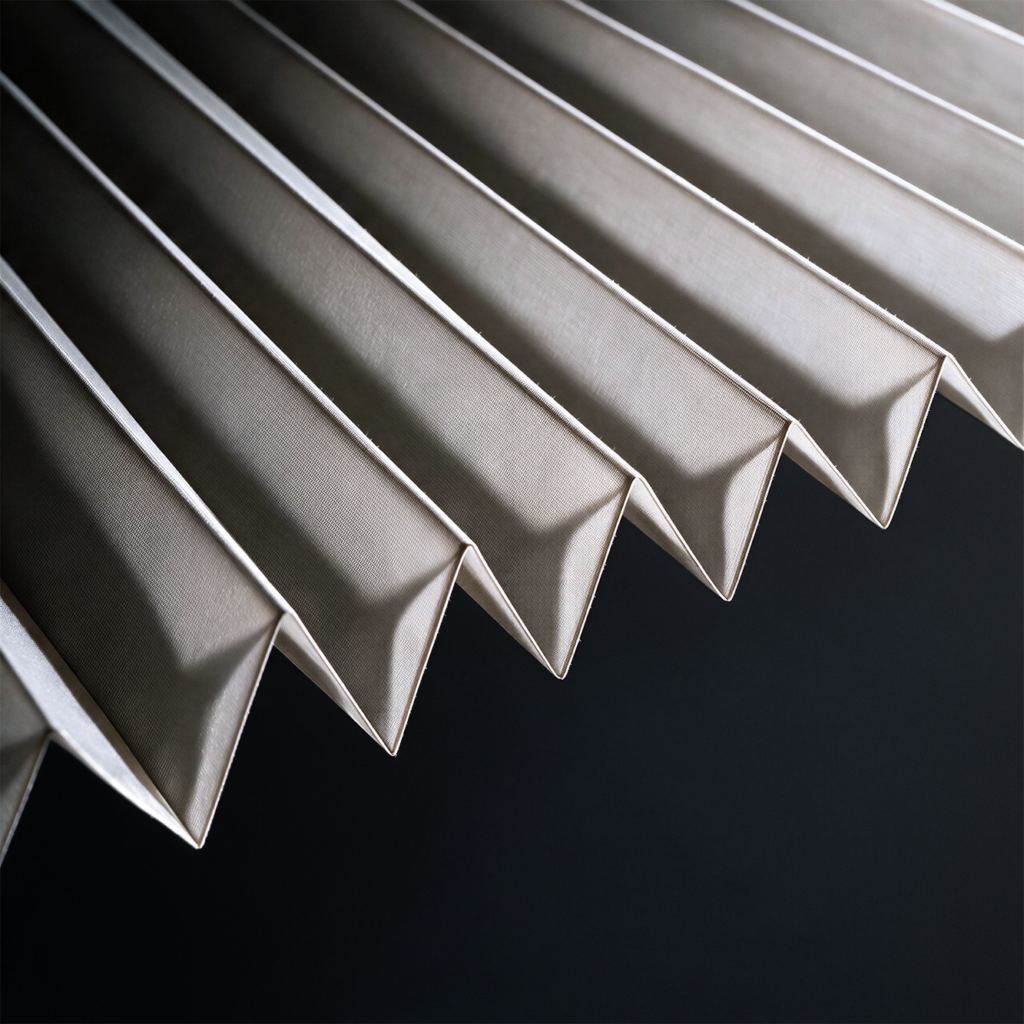
Blackout materials for pleated blinds, roller shades, and shading systems must combine complete light blockage with a textile appearance and good workability. We develop laminated composites with a functional barrier layer and a decorative surface. Metallization ranges from partially transparent to opaque, depending on the requirements for light reduction and indoor climate.
The building sector presents specific challenges that cannot always be addressed with standard materials. Please contact our team directly. We’ll conduct a technical assessment of your requirements, recommend suitable material systems, and guide you through the process from your initial sample request to the final solution.
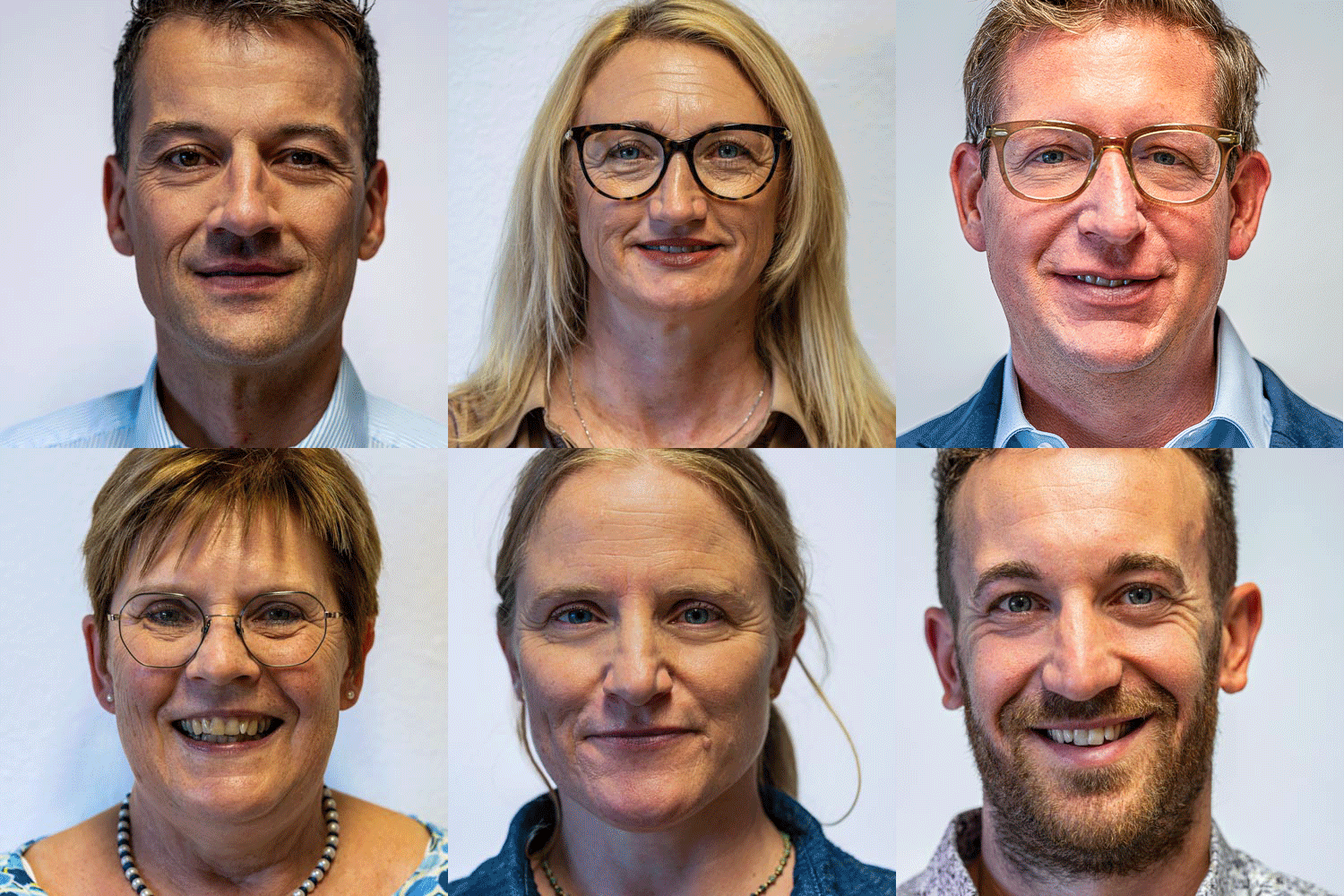
Team Dunmore Europe
kontakt@dunmore.de
Window spacer applications require materials that provide a durable moisture barrier, dimensional stability, and strong adhesion within the composite. Dunmore develops coated and laminated material systems made from films and nonwovens that meet these requirements in a single composite. It is crucial that the coating and lamination are properly matched to prevent delamination and loss of barrier performance over the window’s service life.
Reflective insulation materials use metallized layers—typically aluminum—that are deposited onto a substrate in a vacuum to reflect thermal radiation rather than absorb it. Dunmore manufactures metallized films and nonwoven fabrics that offer high reflectivity and low weight. In the construction industry, these materials are used in insulation systems, utility enclosures, and building services components to reduce energy transfer.
Sun protection films reduce UV radiation and heat gain while allowing a specific amount of light to pass through. Blackout materials, on the other hand, are designed to be completely opaque. Dunmore develops both types: sun protection materials with adjustable light transmission and opaque blackout composites for pleated blinds, roller shades, and shading systems. The metallization can be adjusted from partially transparent to full blackout, depending on the requirements for light reduction and indoor climate.
Typical types of damage include condensation in the space between the panes due to an inadequate moisture barrier, energy loss due to a lack of reflectivity, UV aging and embrittlement of coatings without UV protection, and delamination of composite materials during temperature changes. Optical defects such as clouding, discoloration, or uneven surfaces may also occur. Dunmore develops material systems that minimize these risks through coordinated coating, metallization, and lamination processes.
Yes. We support European customers every step of the way—from defining requirements to prototyping and lab testing, all the way through to production-ready implementation. The substrate, layer structure, surface functionality, and format are tailored to the specific application. This reduces development risks and leads more quickly to a material system that meets multiple requirements simultaneously. Development takes place directly at our Freiburg location, with short lines of communication for customers in Europe.