Paper-based barrier
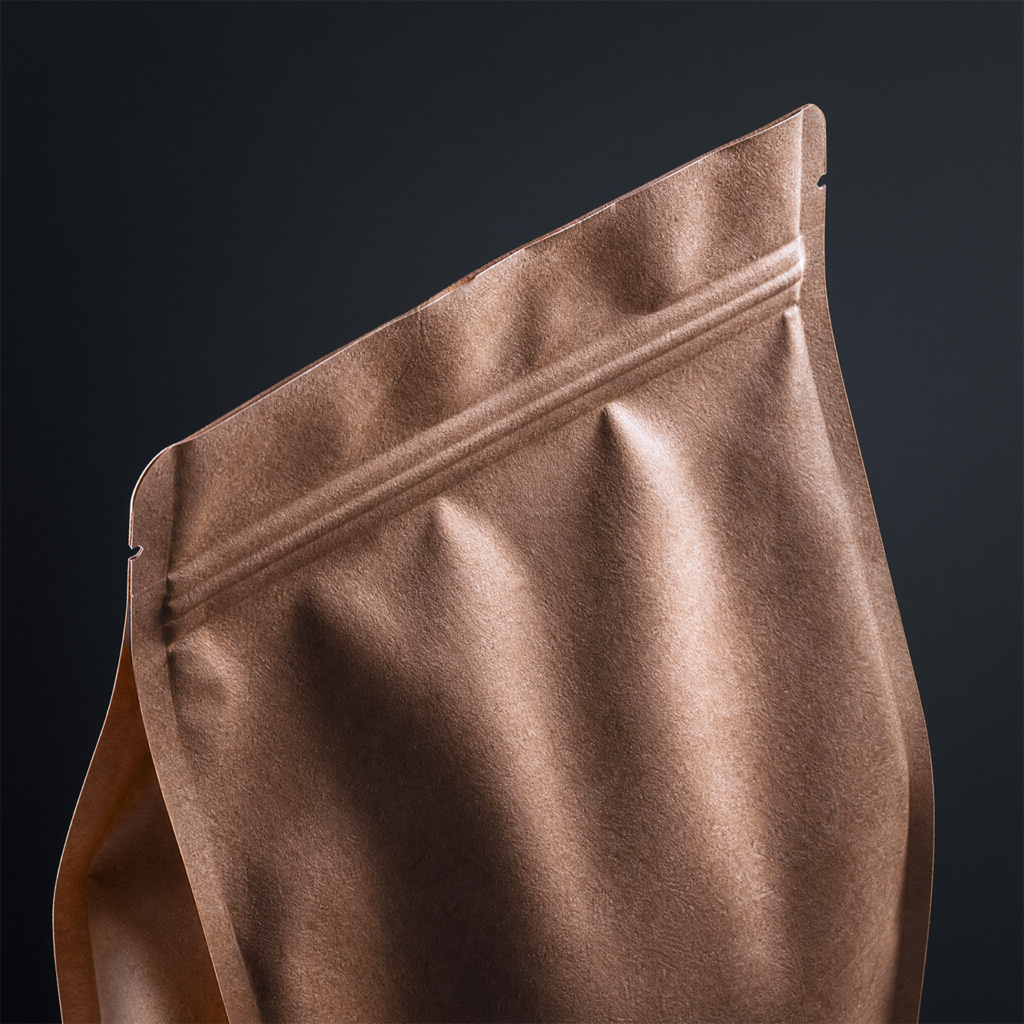
Paper-based barrier coatings for recyclable packaging structures for food, non-food, and household products.
Recyclable, paper-based, PPWR-compliant: Packaging materials today must perform better than ever before.
Oxygen barriers for food, moisture protection for dry goods, or paper-based barrier solutions for recyclable packaging: Dunmore develops barrier systems that combine product protection with sustainability.
The packaging industry currently faces a dual challenge: Packaging must reliably protect products while also meeting growing requirements for recyclability, material reduction, and the use of recycled content. The EU Packaging Regulation (PPWR, 2025/40) will tighten these requirements in the future.
Dunmore operates in this area of tension and develops material solutions that combine these requirements: This enables new paper-based barrier solutions for packaging structures. When oxygen and moisture transmission must be precisely controlled, specialized metallization and coating processes can make paper-based packaging suitable for high-barrier applications.
Paper-based barrier coatings for recyclable packaging structures for food, non-food, and household products.
Quality Management System in accordance with ISO 9001:2015 – for reproducible results, traceability, and delivery reliability.
From the requirements specification to lab prototypes to production-ready implementation. We work closely with Purchasing, Development, and Quality Assurance.
Thinner layer structures that provide the same barrier performance reduce material usage and packaging weight—a key factor in the context of PPWR and Design for Recycling.
Using paper as a packaging material is not a step back in time—it is a technical challenge. To ensure that paper effectively blocks moisture, fats, and oxygen while remaining sealable, printable, and recyclable, it requires precise barrier coatings.
Dunmore develops paper-based packaging designed with "Design for Recycling" in mind. Applications include food packaging, household products (e.g., dishwasher tabs), and non-food applications, where recyclability is increasingly a purchasing criterion.
DUN-GREEN™ PCR PET is a film developed with up to 90 percent recycled PET material. The film is designed for labels and sustainable film packaging and supports printing technologies such as laser, thermal transfer, screen printing, and flexo. For packaging manufacturers looking to integrate recycled content into their material strategy, DUN-GREEN PCR PET offers a technically validated foundation.
Food packaging faces a dual challenge: It must reliably protect products—while also meeting growing requirements for recyclability and food safety.
Dunmore develops high-barrier materials for food packaging where oxygen and moisture transmission must be precisely controlled. Metallization and barrier coating applied directly to the paper substrate create a thin layer of aluminum that effectively reduces oxygen and moisture transmission—without the need for additional film, and with a controllable barrier effect. Typical applications: Snack packaging, chocolate, dried fruit, cereals, protein powders, soups, and frozen foods.
Not all barrier requirements originate in the food industry. Industrial packaging for technical goods, cleaning agents, or household products has its own specific requirements regarding chemical resistance, moisture protection, and processability. Coated and laminated films for non-food applications are tailored to the respective requirements—including printability, sealability, and edge quality for further processing.
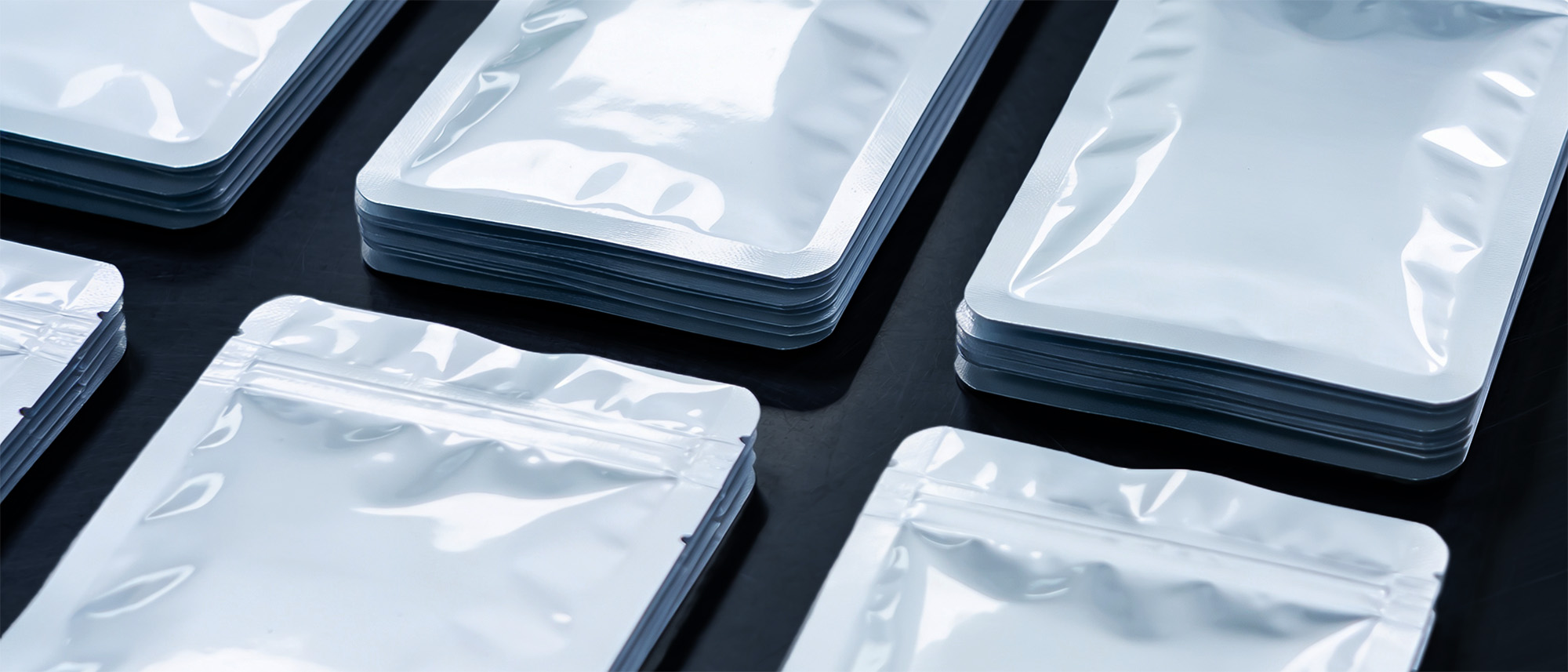
Stand-up pouches and flexible multilayer packaging place special demands on materials: barrier properties, sealability, printability, and mechanical strength must all be combined in a single composite. Dunmore develops multilayer laminate structures in which each layer performs a specific function.
Would you like to further develop an existing packaging structure to improve its recyclability or achieve new barrier properties? Or are you looking for a development partner for paper-based barrier solutions? Our team in Freiburg will guide you every step of the way, from the initial consultation to a production-ready solution.

Team Dunmore Europe
kontakt@dunmore.de
The EU Packaging Regulation (PPWR, 2025/40) is changing the rules of the game for the entire packaging industry: recyclability is becoming mandatory, the proportion of recycled content is increasing, and material reduction is being rewarded. Anyone developing packaging today must take the 2030 requirements into account.
Dunmore supports customers through this transition as a development partner—not as a standard supplier. This means getting involved early in material development, jointly evaluating barrier alternatives, and determining which packaging structures are already recyclable today.
Specific areas of development:
Paper-based barrier coatings as an alternative to plastic composites—where technically feasible and regulatory appropriate.
Simplified layer structures that make sorting and recycling easier.
Thinner films with the same or better barrier performance—less material, same level of protection.
Integration of PCR materials into packaging films, where quality and process reliability permit.
Barrier packaging is packaging made from materials specifically designed to reduce or block the passage of oxygen, water vapor, fats, aromas, or UV radiation. The barrier effect is achieved through metallized layers, functional coatings on film or paper, or multilayer laminates. Barrier packaging is primarily used in the food industry, but is also employed in non-food sectors such as household and industrial products.
Paper-based barrier solutions are packaging structures in which paper is combined with a barrier coating as the substrate. They are a good choice when recyclability is a key requirement—for example, in the context of the EU Packaging Regulation (PPWR) or when customers wish to avoid plastic composites. Technically, these solutions must combine a grease barrier, moisture protection, sealability, and printability in a single structure. Dunmore develops such solutions in collaboration with the customer.
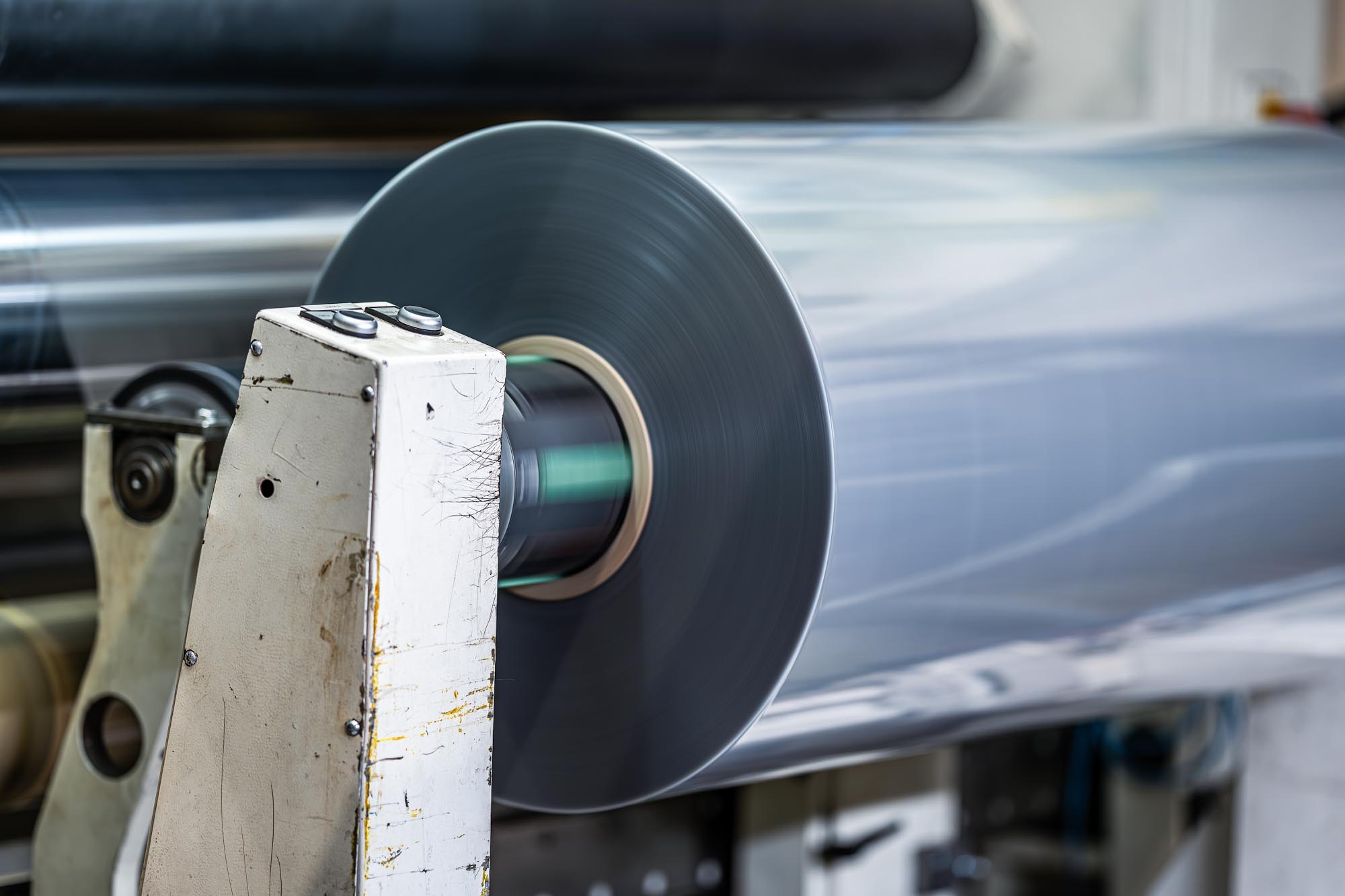
Dunmore combines coating, metallization, and lamination in an integrated roll-to-roll process chain. Metallized barrier films are produced via thermal vacuum deposition, in which aluminum is applied as a thin layer onto the carrier substrate. Functional coatings enhance the structure by adding barrier, adhesion, sealing, or printing properties. Lamination bonds multiple substrates into a composite that meets several requirements simultaneously. The coating width is up to 2,450 mm, and the coating weight ranges from 0.5 to 40 g/m².
The EU Packaging Regulation (PPWR, 2025/40) sets higher requirements for recyclability, recycled content, material reduction, and packaging labeling. Dunmore supports customers in developing packaging structures that meet these requirements—for example, through paper-based barrier solutions, films containing recycled content, or thinner multi-layer structures without compromising protective performance. Specific compliance statements regarding individual products must be reviewed by legal counsel prior to use.
Getting started is easy: You can submit an initial inquiry even if the requirements profile hasn’t been fully defined yet. Our team in Freiburg works with the customer to determine which barrier values, materials, formats, and process requirements are relevant. This is followed by a feasibility assessment, lab samples, and, if necessary, validation through to production readiness. You can find our contact information in the contact section on this page.