A Systematic Approach to Laminates
A strong bond between multiple layers of foam, nonwoven fabric, and film in a repeatable lamination process.
Using Film to Create a Quiet Environment: Durable Solutions for Acoustic Applications.
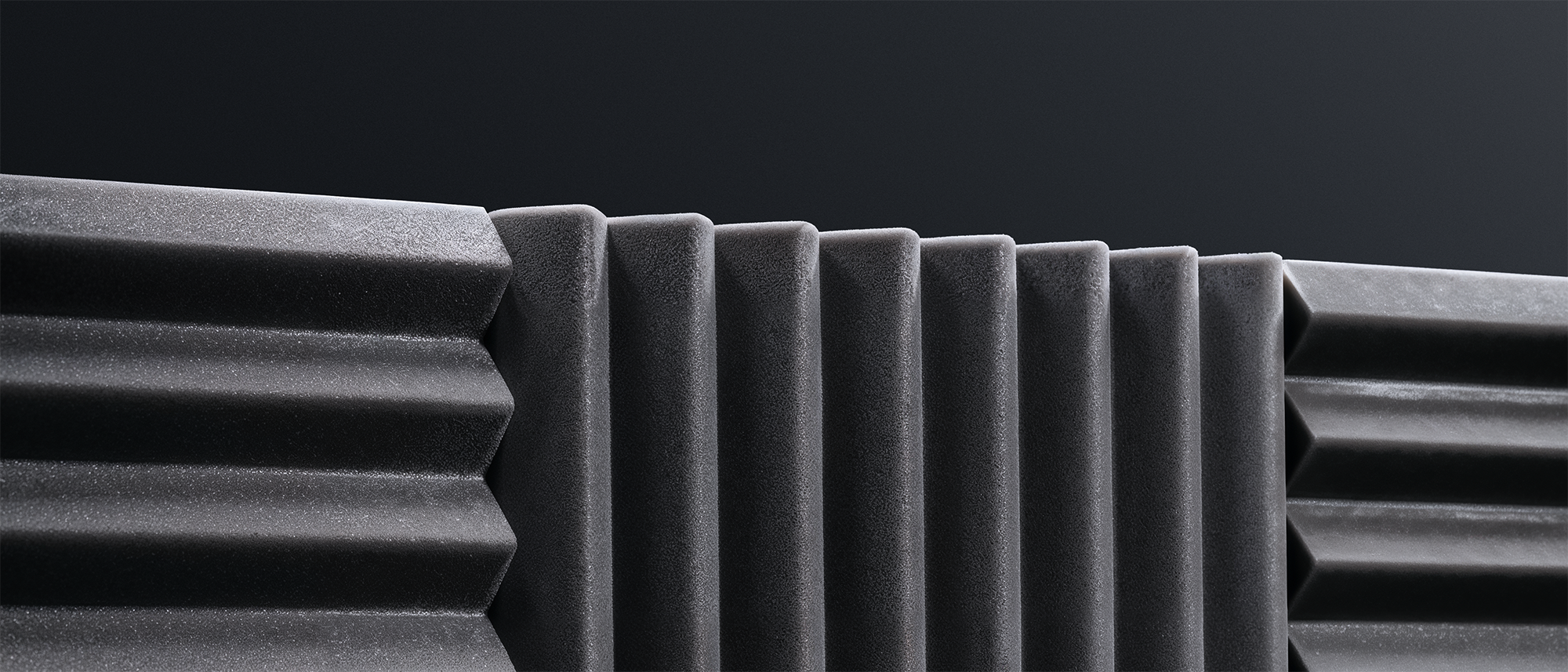 Generated by AI
Whether it’s an automotive interior, a technical device, or a construction project: Acoustic requirements are becoming more complex, and standard materials quickly reach their limits. That’s why Dunmore combines coating, lamination, and metallization to create material systems that integrate seamlessly into acoustic solutions.
A strong bond between multiple layers of foam, nonwoven fabric, and film in a repeatable lamination process.
Low grammage with a defined texture—for applications where every gram counts.
Composite materials that can withstand thermal, mechanical, and chemical stresses during use.
Where standards require it, we develop composites with fire-retardant properties and heat resistance.
Acoustic films and acoustic nonwovens are more than just passive insulation layers. They place precise demands on the composite materials used: low weight, a specific texture, strong interlayer bonding, and durability in use. Dunmore coats, laminates, and metallizes nonwoven, foam, or film composites using integrated roll-to-roll processes. The result is a consistently manufactured composite material that our customers integrate into their acoustic systems.
With over 50 years of experience in coating, metallization, and lamination, we have long since ceased to be merely a supplier; instead, we are a development and manufacturing partner for functional material systems.
For acoustic applications, this means: We start with your requirements, not with a catalog. What acoustic properties are required? What are the weight and tactile requirements? Are there any fire safety or temperature specifications?
Based on these questions, we develop the layer structure, select suitable film substrates, and coordinate the coating, lamination, or metallization processes. The result is a composite that meets your specific requirements and can be reproduced in mass production.
Do you have a specific request, or would you like to know if Dunmore is the right partner for your project? Talk directly to our team in Freiburg.

Team Dunmore Europe
kontakt@dunmore.de
From the initial request to a production-ready solution, we guide you through every step—in a structured and transparent manner, with a clear focus on your application.

Requirements Analysis
It all starts with your challenge: Together, we analyze your technical requirements, operating conditions, and regulatory framework.
Material & Layer Structure
Based on your requirements, we develop a solution: Which substrates, processes, and functional layers are suitable?
Samples & Tests
Before our high-performance materials go into mass production, they are tested. We manufacture samples, conduct tests, and review the results with you.
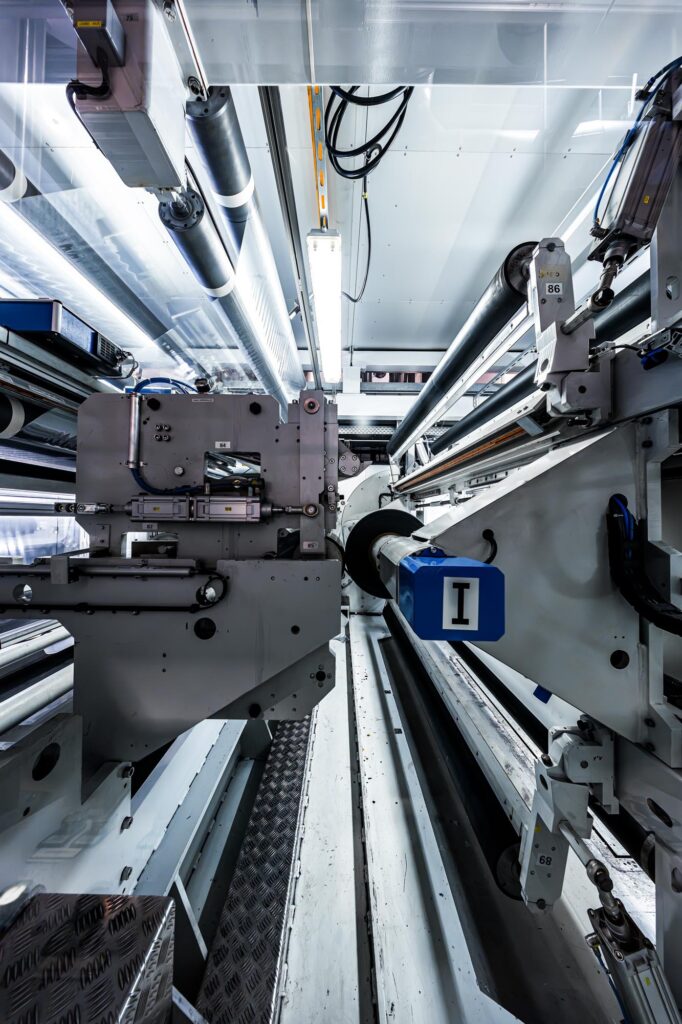
Process Optimization
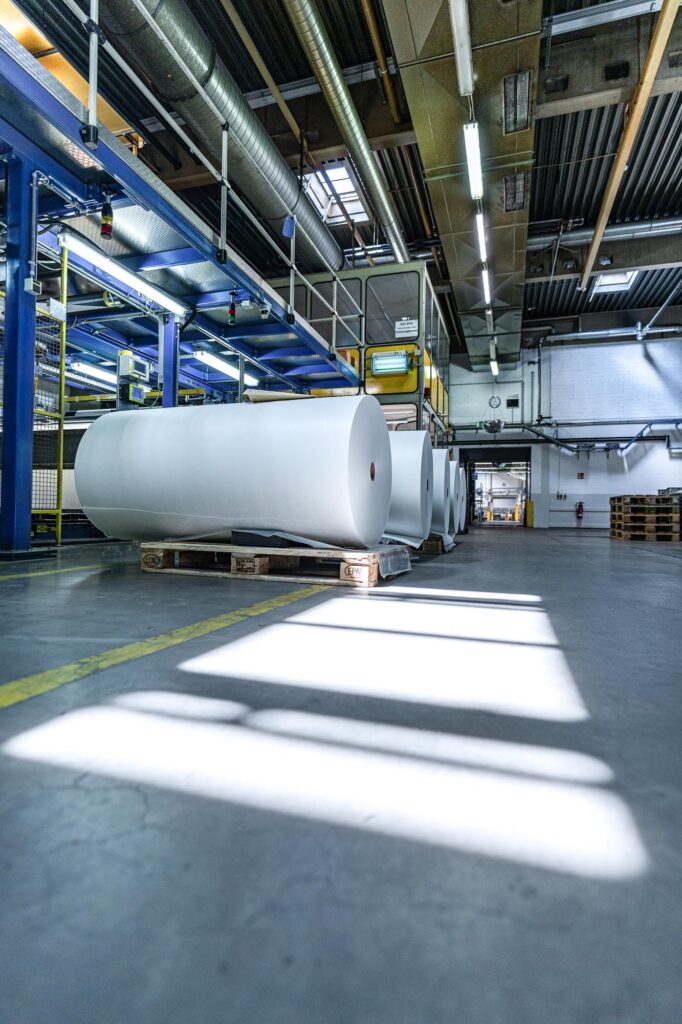
Coating, metallization, lamination, assembly—we handle all these processes under one roof. This enables quick adjustments and short iteration cycles.
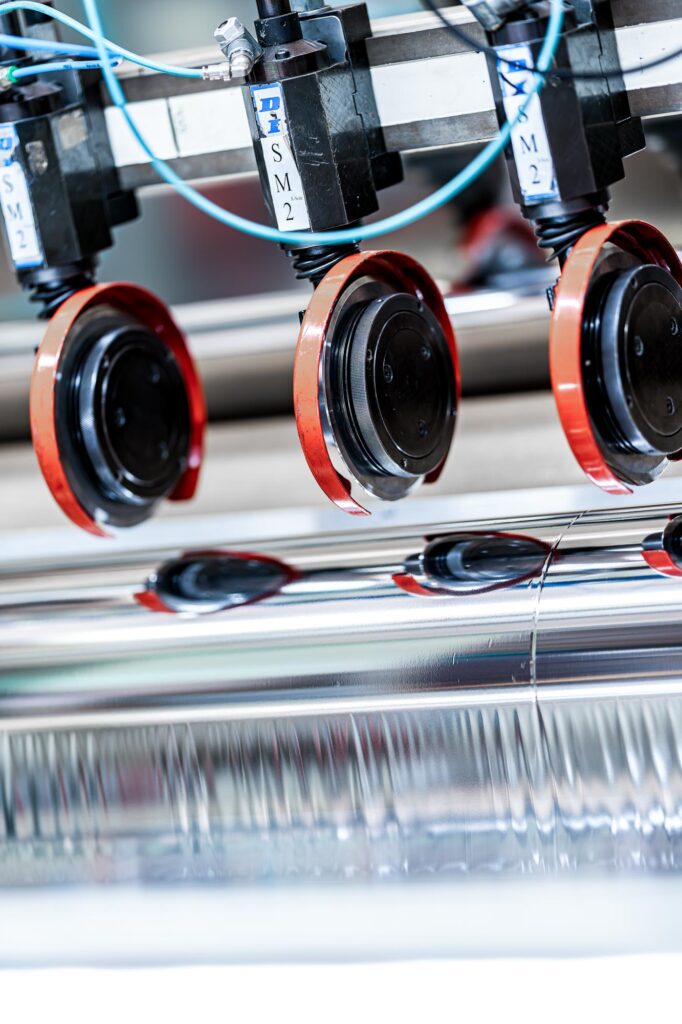
Readiness for mass production
If the prototypes and tests are satisfactory, we move the solution into mass production. With stable processes, documented quality, and reliable delivery—so that your product remains predictable and reproducible.
The term “acoustic film” refers to a sheet-like composite material used as a component in acoustic systems. Typically, these are laminates consisting of nonwoven fabric, foam, and film. The acoustic performance is determined by the overall system that the customer develops and integrates. Dunmore manufactures the composite according to the customer’s material specifications.
Typical substrates include nonwovens, foams, and films made of PE, PET, or PP. These are permanently bonded through lamination. Coatings can provide additional properties such as adhesion or surface protection. The specific choice of materials depends on the customer’s requirements for the composite material.
Composite materials for vehicle interiors generally need to be lightweight, withstand temperature fluctuations, and meet specific tactile requirements. Requirements for durability and flame resistance are often added to these. The customer specifies the exact requirements, and Dunmore manufactures the composite accordingly.
Dunmore brings manufacturing expertise in coating, lamination, metallization, and assembly. We work with the customer to determine which combination of substrates and layers best meets the material requirements of the application, and then manufacture the composite in a reproducible, mass-production process.
Yes. Dunmore manufactures samples for the development phase before mass production begins. Roll stock is processed starting at a width of 500 mm.