ISO 9001
Certified Quality: Consistent processes and reproducible results, across all locations and fully documented.
When materials need to do more than just protect: precision barrier systems for demanding products.
 Generated by AI
Dunmore achieves what many materials cannot on their own. Our barrier coatings provide web-based materials with exactly the protection their applications require: reliable protection against moisture, oxygen, aromas, fats, and UV radiation.
Certified Quality: Consistent processes and reproducible results, across all locations and fully documented.
International Food Safety Standard – Dunmore Europe is currently preparing for certification.
Energy-Efficient Production: Optimized manufacturing processes with a clear focus on resource use and sustainability.
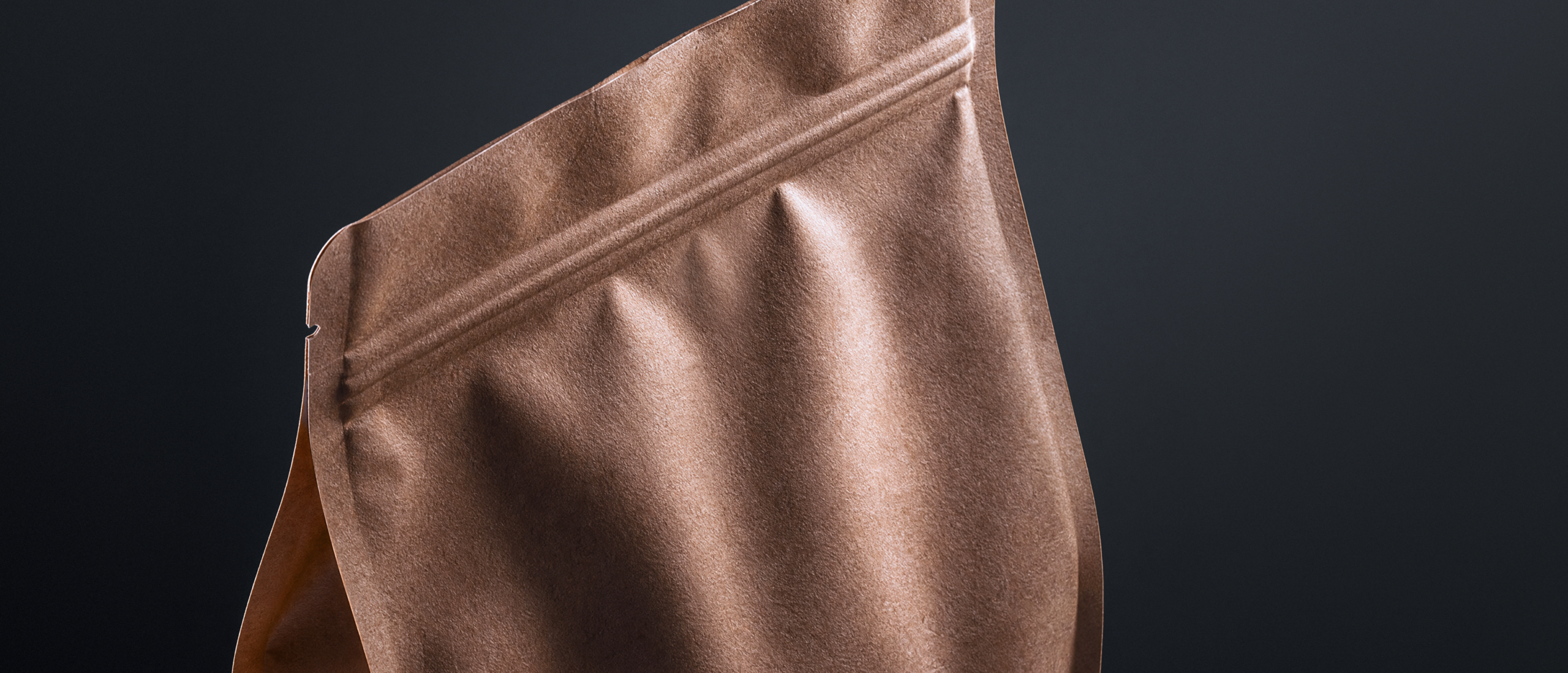
Barrier coatings are functional layers that are specifically applied to paper, nonwoven fabric, film, or woven fabric. Their purpose is to reduce or completely block the passage of oxygen, water vapor, aromas, fats, or UV radiation. The substrate remains flexible and processable, while the coating creates a targeted barrier.
Without a suitable barrier, moisture can penetrate the material and alter its structure or contents; oxygen can accelerate oxidation and shorten shelf life; flavors can escape or be absorbed from the outside; and fats can penetrate the material and impair its appearance and function.
Overview of Barrier Functions:
Dunmore distinguishes between two basic approaches to barrier solutions—depending on the requirements for recyclability, performance, and substrate:
PBBS – Paper-Based Barrier Solutions are used wherever both recyclability and barrier performance are required. Barrier-coated paper is the answer to the growing demand for sustainable packaging.
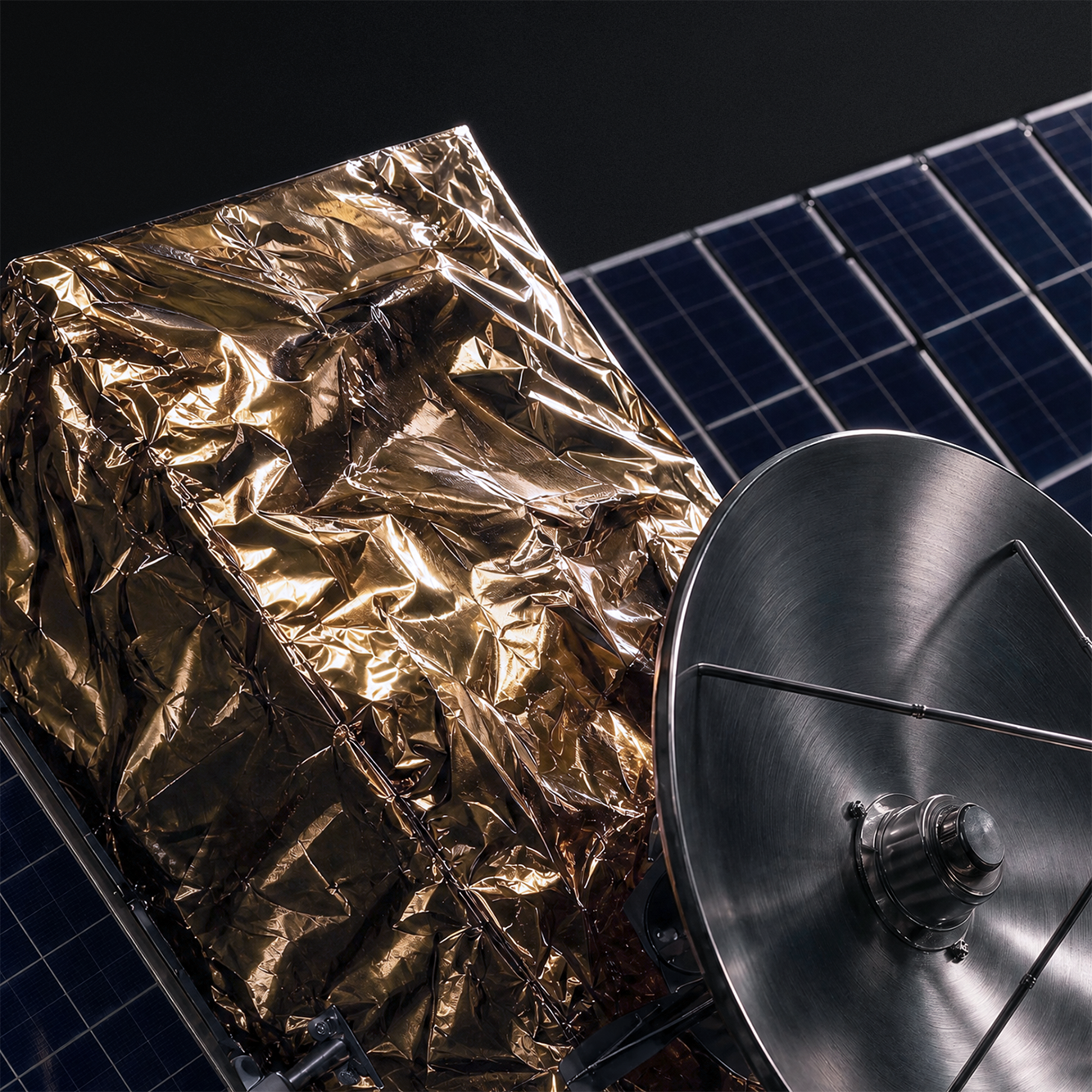
FBBS – Film-Based Barrier Solutions offer the highest barrier performance and durability. They are used in applications with extreme requirements. Examples include window spacers, cryogenic systems, and aerospace applications.
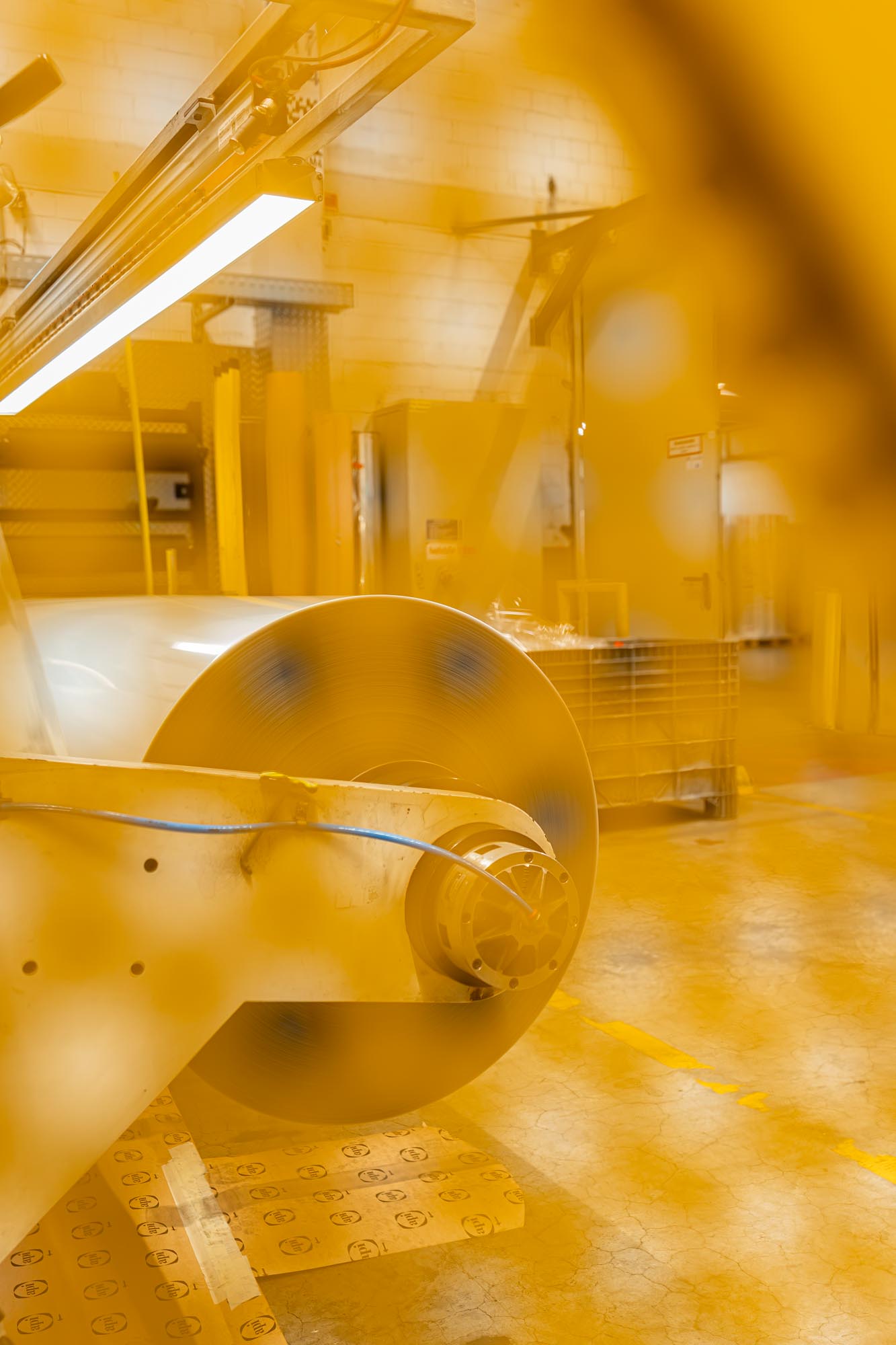
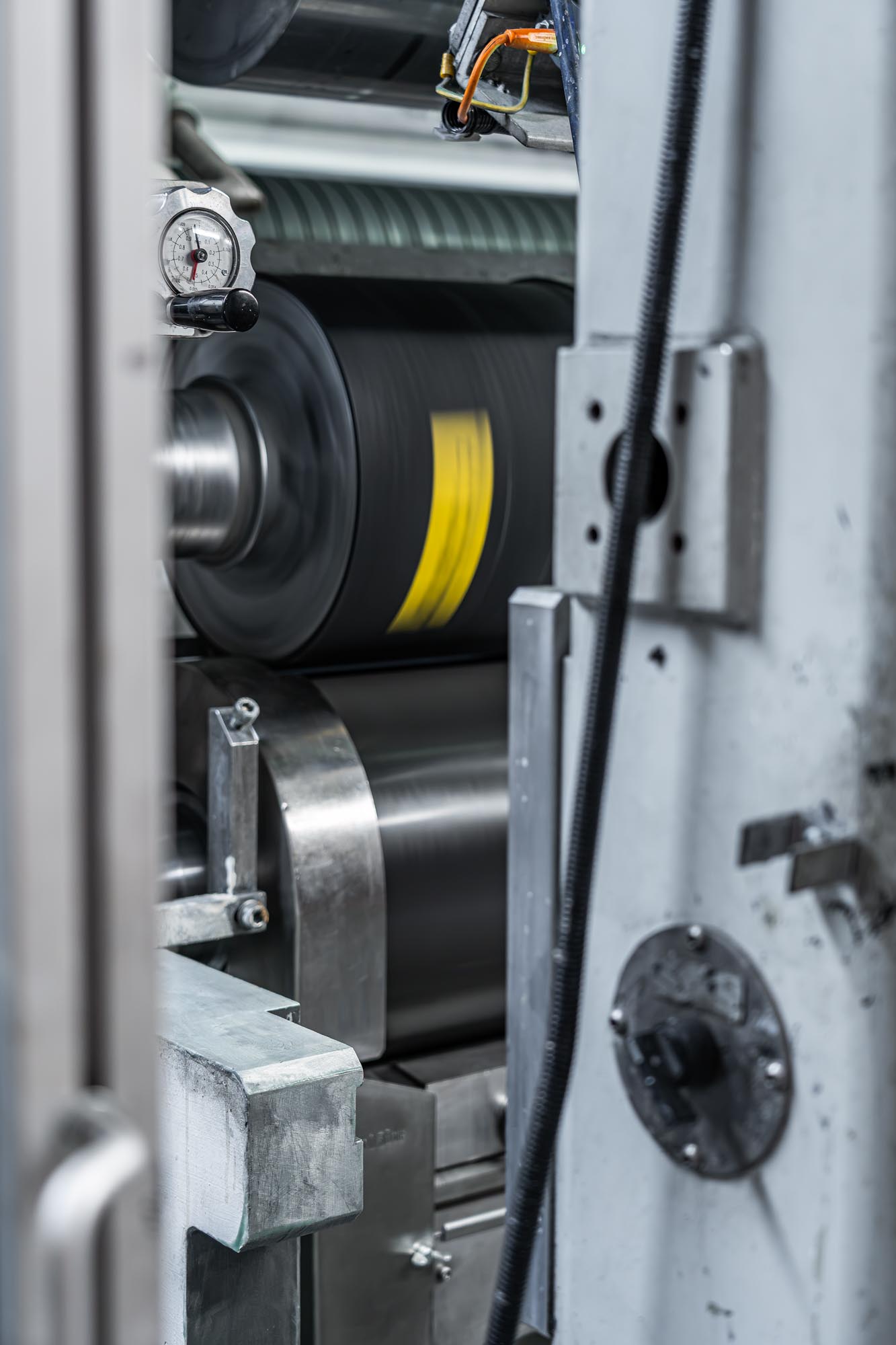
What sets Dunmore apart is that coating, metallization, and lamination are not used in isolation, but are combined in integrated roll-to-roll processes. This results in material systems that fulfill multiple functions simultaneously: barrier properties, flexibility, printability, and sealability.
Web widths of up to 2,500 mm (coating widths of up to 2,450 mm), film thicknesses ranging from 12 to 300 µm, and coating weights ranging from 0.5 to 25 g/m² enable a wide range of solutions—from prototypes to mass production.
Do you have a specific requirement, or would you like to know which barrier solution is right for your application? Contact us directly.

Team Dunmore Europe
kontakt@dunmore.de
Dunmore is a development partner, not just a supplier. Our process begins with your requirements and doesn't end until the solution is working in mass production.

Requirements Analysis
It all starts with your challenge: Together, we analyze your technical requirements, operating conditions, and regulatory framework.
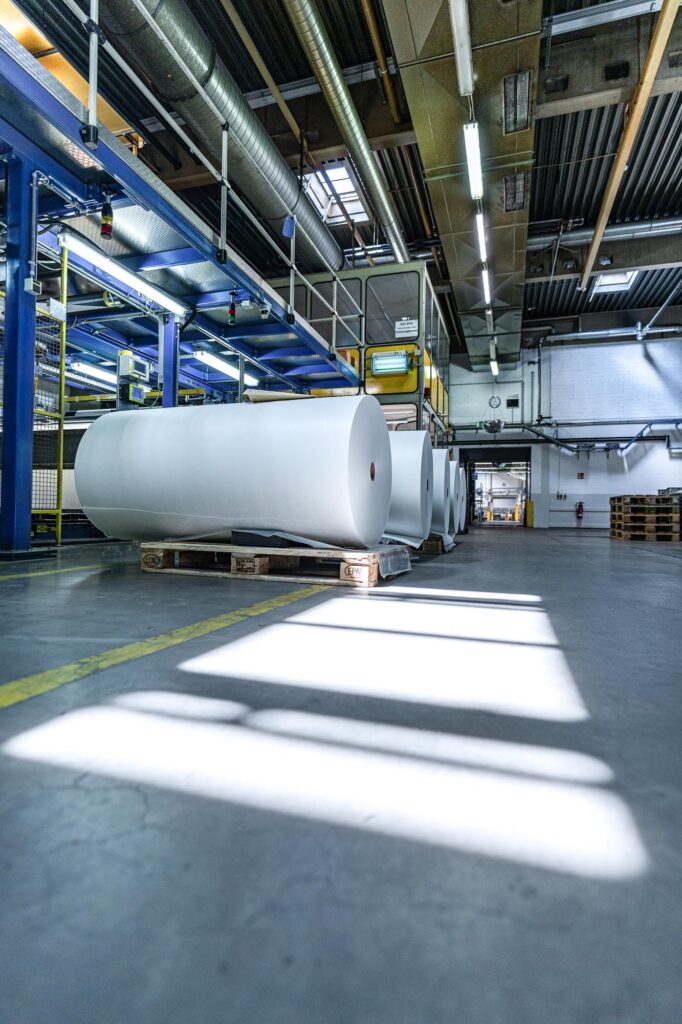
Material & Layer Structure
Based on your requirements, we develop a solution: Which substrates, processes, and functional layers are suitable?
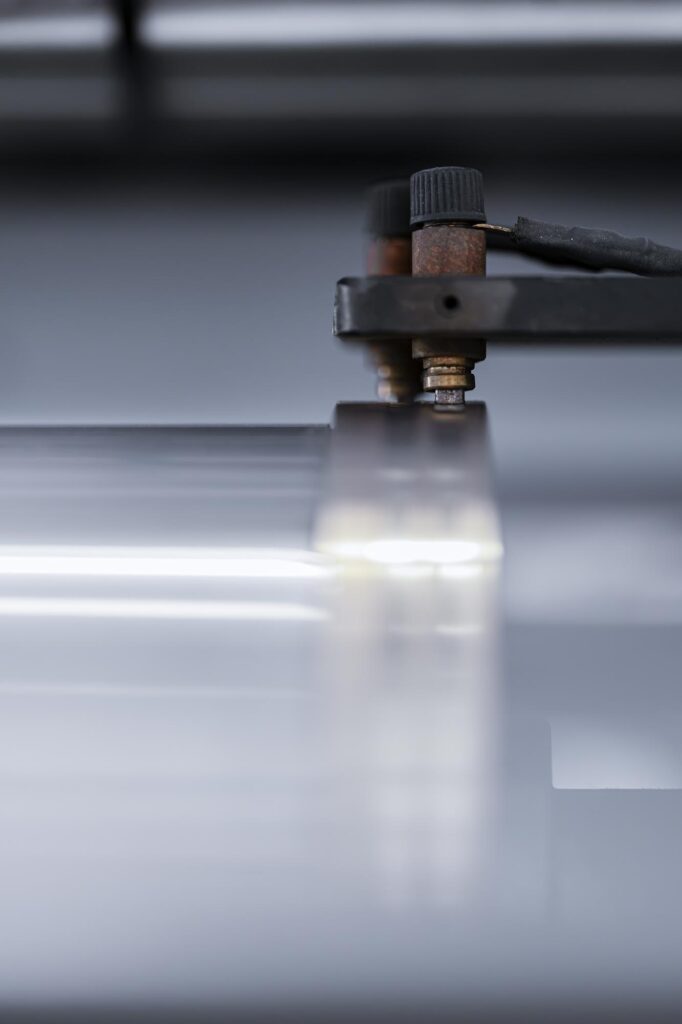
Samples & Tests
Before our high-performance materials go into mass production, they are tested. We manufacture samples, conduct tests, and review the results with you.
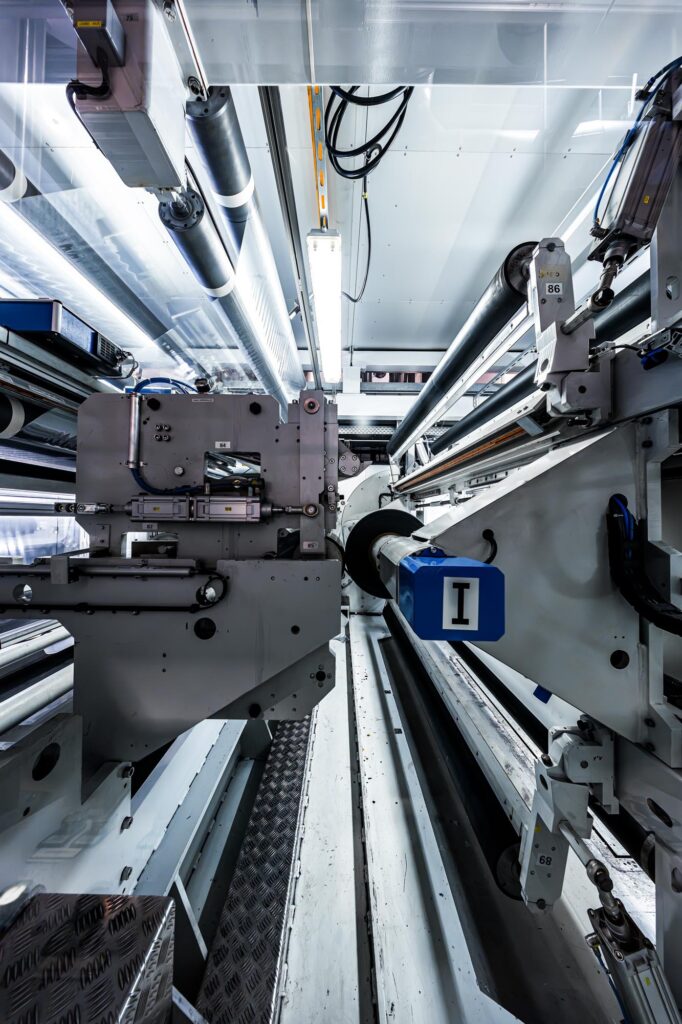
Process Optimization
Coating, metallization, lamination, assembly—we handle all these processes under one roof. This enables quick adjustments and short iteration cycles.
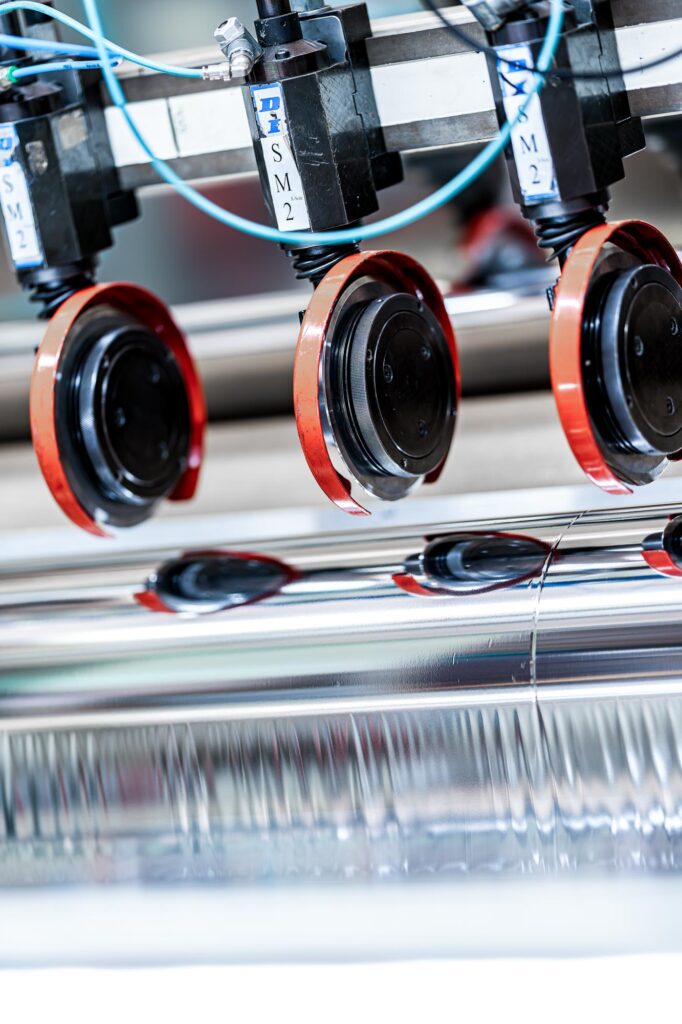
Readiness for mass production
If the prototypes and tests are satisfactory, we move the solution into mass production. With stable processes, documented quality, and reliable delivery—so that your product remains predictable and reproducible.
A barrier coating for paper is a functional layer applied to the surface of a paper substrate. It reduces or blocks the penetration of oxygen, water vapor, aromas, fats, or UV radiation. The paper retains its flexibility and processability—the coating provides the protective function required for the application. Typical applications include food packaging, transport packaging, and sustainable packaging solutions in which paper is intended to replace plastic.
A barrier coating protects the packaged or wrapped product from external factors that would compromise its quality, safety, or shelf life. Depending on its design, it blocks oxygen, water vapor, aromas, fats, or UV radiation—or a combination thereof. At the same time, it allows for thinner material structures: Instead of using thick layers of material, a precisely applied functional layer provides the protective effect. This saves material, reduces weight, and, in many cases, improves recyclability.
Dunmore manufactures barrier coatings for the following applications:
Multiple barrier functions can be combined in a single material system.
PBBS stands for Paper-Based Barrier Solutions. They are used when both high barrier performance and recyclability are required, for example in food and non-food packaging. FBBS stands for Film-Based Barrier Solutions. These are used in applications where maximum barrier performance and durability are paramount, such as in window spacers, cryogenic systems, and aerospace applications. Dunmore develops both types of solutions and advises you on selecting the right approach for your application.
The EU Packaging and Packaging Waste Regulation (PPWR) sets new requirements for recyclability, material use, and design for recycling. In the future, packaging must be recyclable and contain a specified percentage of recycled content. This has a direct impact on the demand for barrier coatings: There is a need for solutions that combine high barrier performance with recyclability—for example, single-material solutions or coated paper that prevents the penetration of moisture, water vapor, fats, and aromas and can remain in the recycling loop. Dunmore supports customers in developing barrier solutions that meet these requirements.