Integrated Process Chain
At Dunmore, finishing is not an isolated step. Cutting, winding, and splitting are directly linked to coating and metallization—parameters are coordinated throughout the process, rather than optimized separately.
Precise sizing of highly functional films, tailored to the material, process, and further processing.
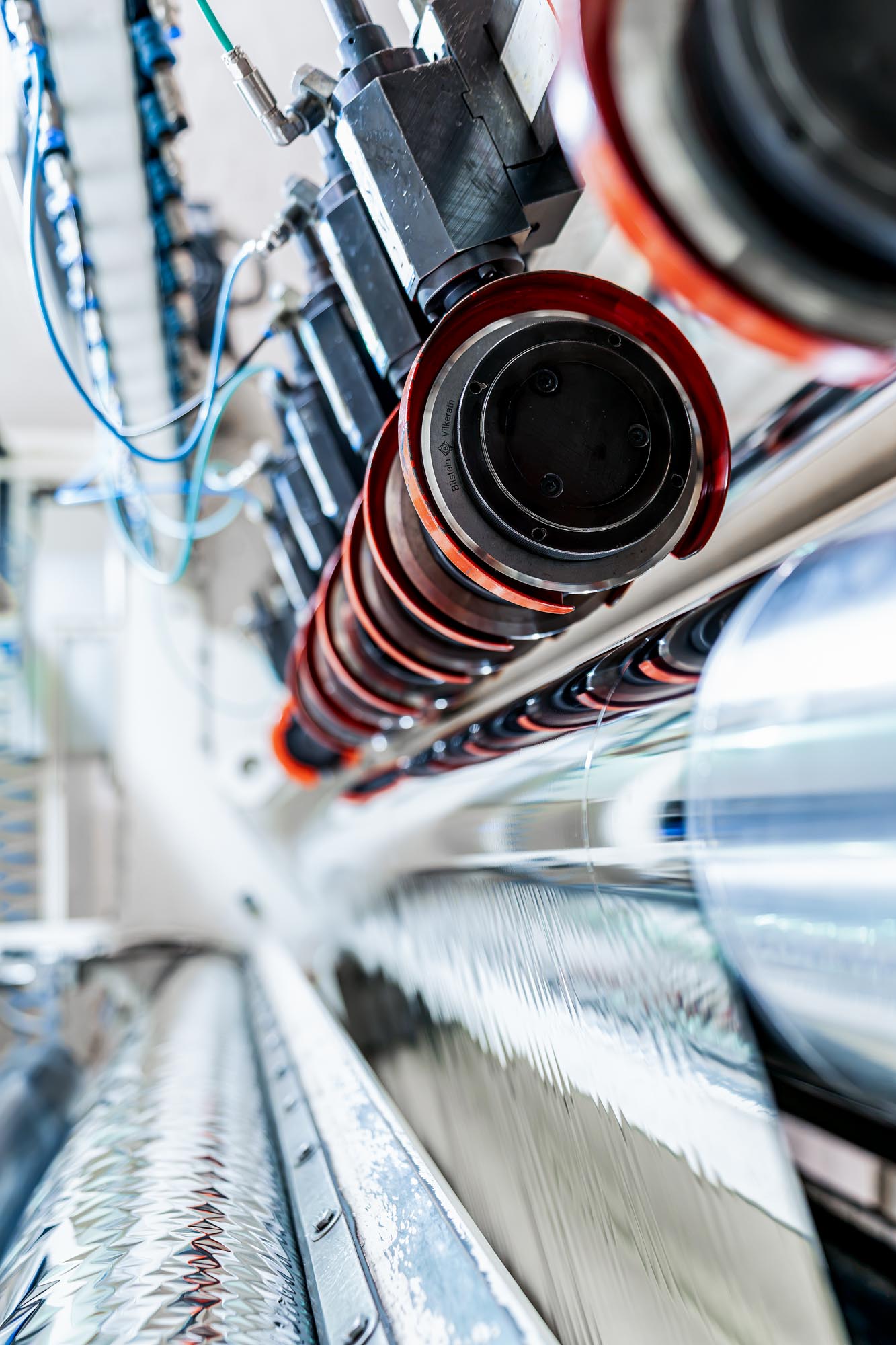
We process coated, metallized, and laminated high-performance materials into custom formats: from slitting to splitting of transfer-metallized products.
At Dunmore, fabrication begins where standard contract manufacturing ends. The materials we process—such as coated barrier films or metallized surfaces—present challenges that cannot be addressed with universal cutting parameters.
Longitudinal and cross-cutting are performed with precise edge guidance that does not compromise the appearance or functionality of the surfaces. Winding tension and roller hardness are adjusted according to the specific material to prevent deformation, jamming, or edge damage. Protective inserts and customized winding cores are available for sensitive surfaces.
During the splitting of transfer-metallized products, the carrier film is carefully separated from the metallized substrate. This step requires precisely calibrated peeling forces and is directly integrated into the process chain consisting of metallization and further processing.
In addition, Dunmore’s finishing services include: rewinding onto customer-specified cores, perforation, embossing, and the production of custom roll lengths and formats for packaging and finishing in the downstream production process.
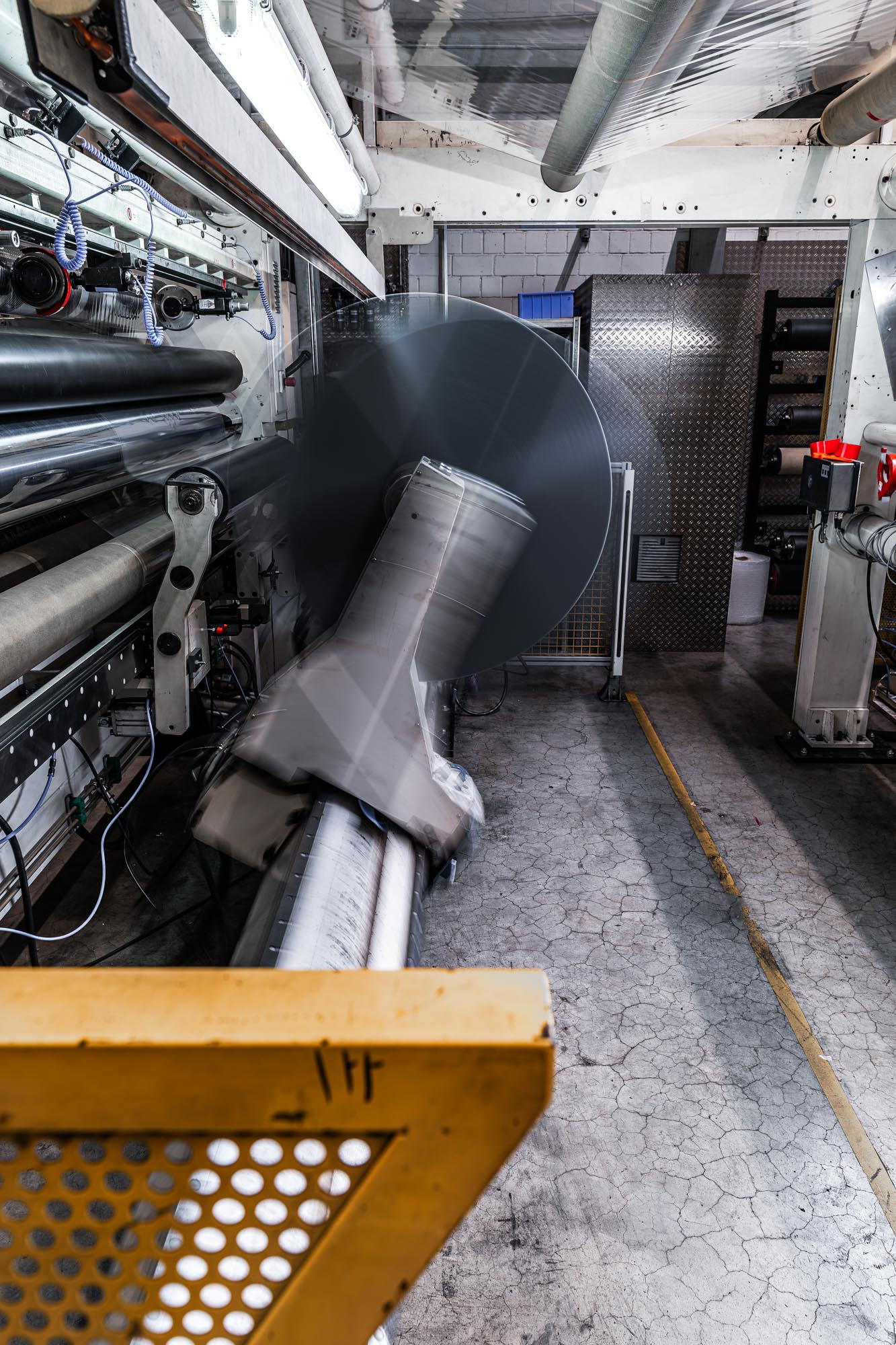
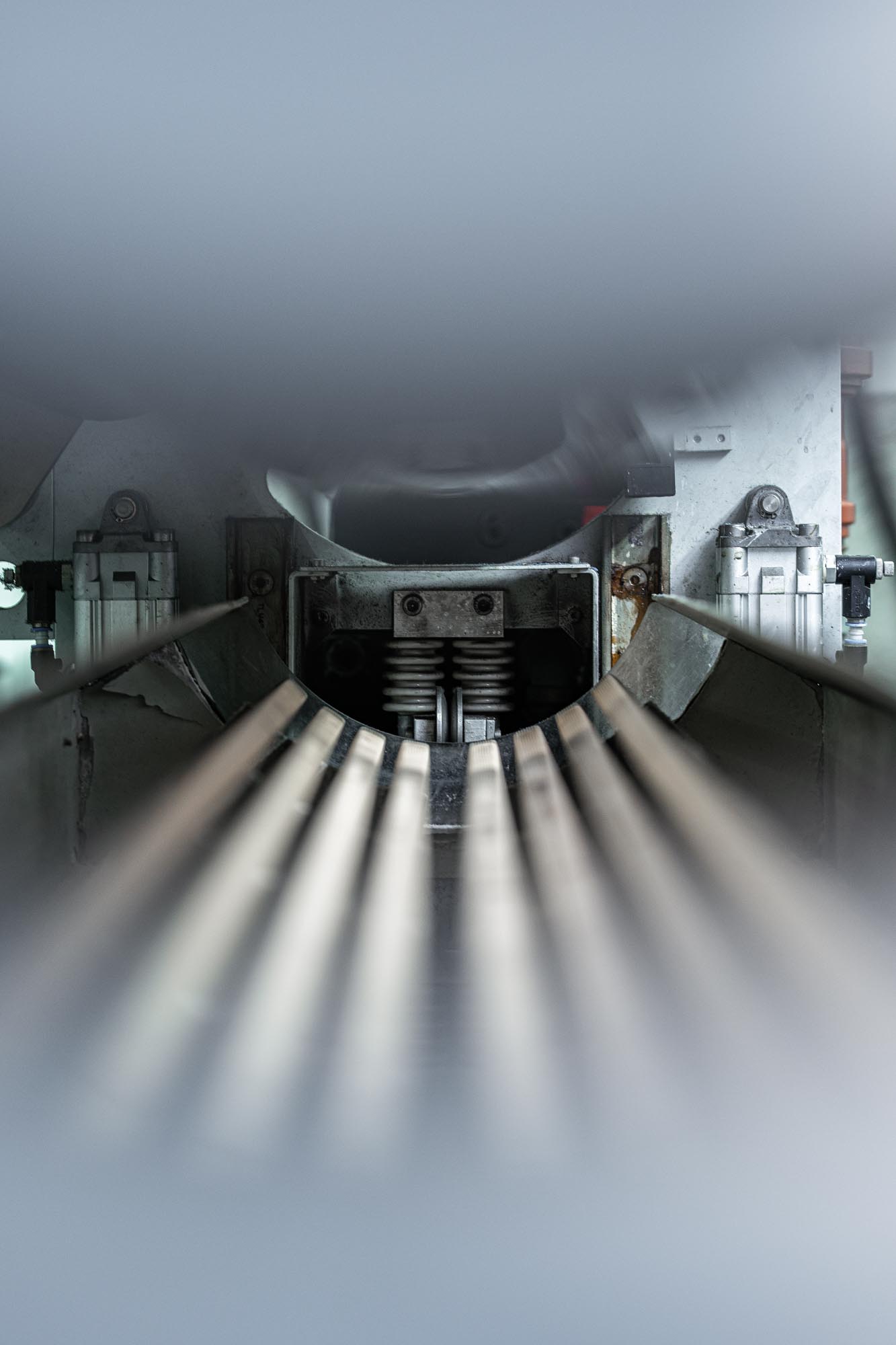
At Dunmore, finishing is not an isolated step. Cutting, winding, and splitting are directly linked to coating and metallization—parameters are coordinated throughout the process, rather than optimized separately.
Winding tension, cutting geometry, and surface protection are determined individually for each material. Standard parameters are not used for high-performance films.
Dunmore Europe is certified to ISO 9001:2015. Quality assurance, traceability, and process documentation are integral parts of every packaging order.
The production facility in Freiburg offers short delivery times for European customers—combined with material expertise gained from over 50 years of film development and processing.
Critical Edge Quality for Packaging Applications
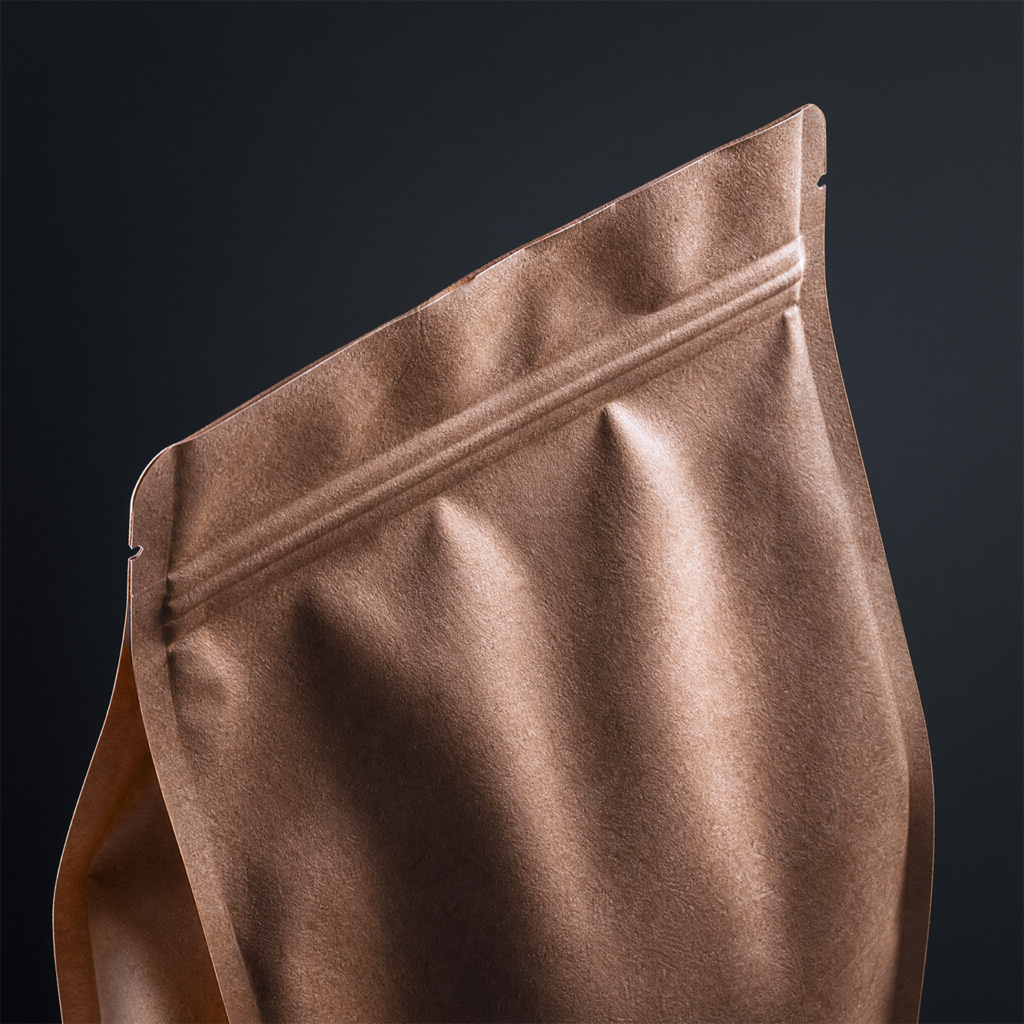
Coated polyester and polyolefin films with barrier properties are cut with sharp, clean edges—without fraying or delamination along the cut edge. This is relevant for flexible packaging and conversion applications requiring defined sealing margins.
Pre-cut sheets for material-efficient packaging solutions
Paper and paper-based substrates can be cut to specific roll sizes for further processing in packaging and printing operations. The appropriate paper grades, coatings, and material structures depend on the requirements for edges, winding, and downstream processes and are evaluated on a project-by-project basis.
Scratch-Free Finishing of Optically Active Surfaces
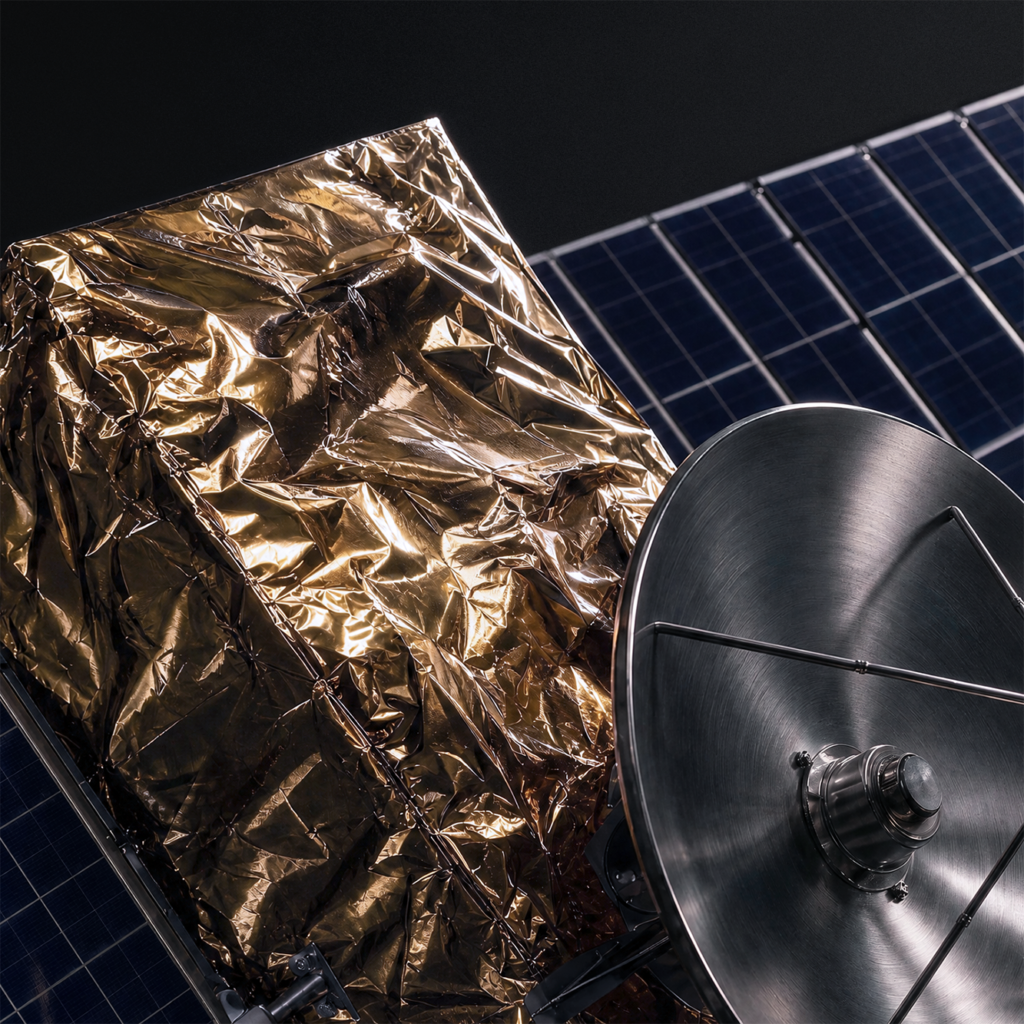
Vacuum-metallized films are sensitive to pressure points and friction. Cutting and winding are performed using adjusted contact pressures and protective inserts to preserve the surface's reflective properties.
Controlled winding tension for compressible materials
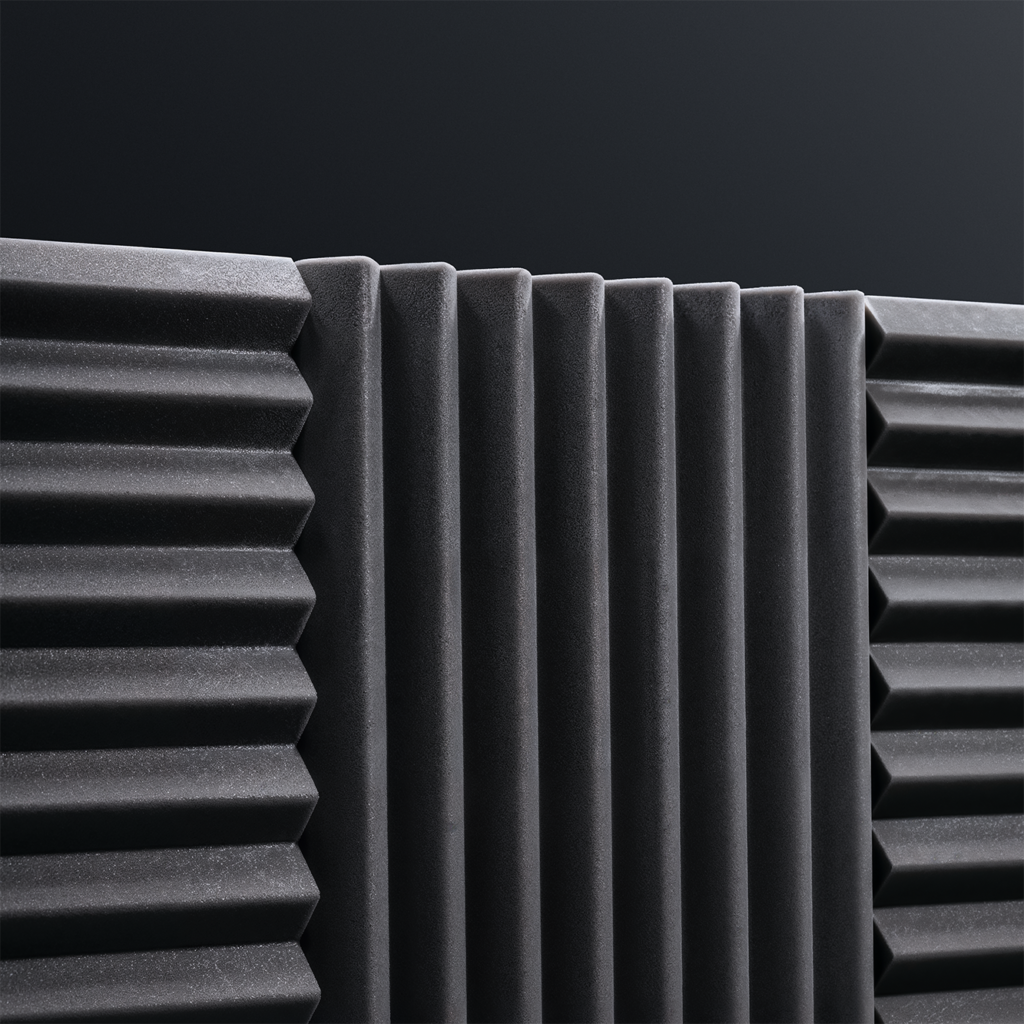
Foamed substrates and foam laminates require precise control of winding tension, as excessive contact pressure permanently alters the cell structure. The roller hardness is adjusted individually for each material combination.
Splitting as an Integrated Process Step
In the case of transfer-metallized films, the carrier film is carefully peeled off after metallization. At Dunmore, splitting is not a separate step but rather part of the continuous process chain consisting of metallization, coating, and finishing.
Clean Cut Edges When Manufacturing Labels
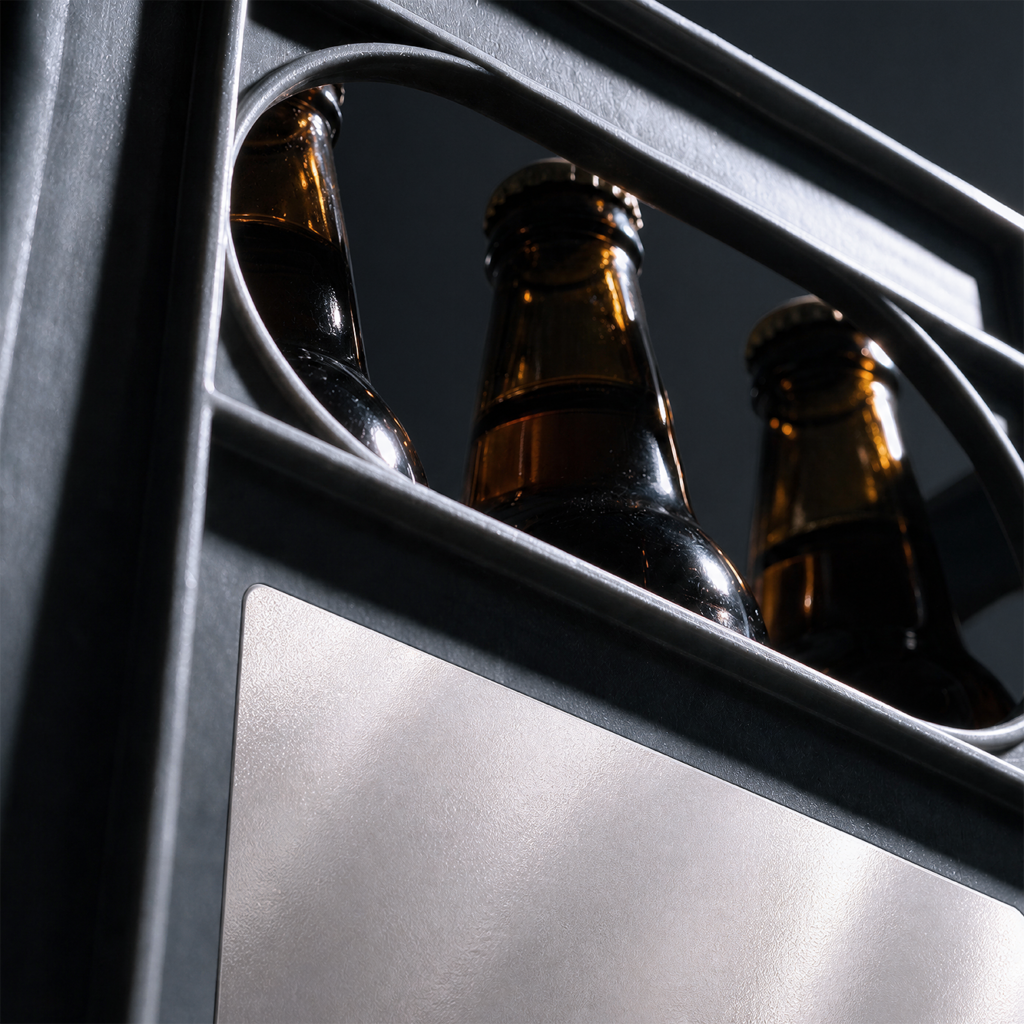
Self-adhesive substrates, label films, and printable backing materials are wound onto narrow rolls that feed directly into labeling and printing processes. Edge quality and roll profile determine how well the material runs during further processing.
Precisely finished film rolls are essential for ensuring smooth downstream processes—whether in flexible packaging, label printing, surface finishing, or acoustics. Wherever edge quality, roll profile, and surface integrity directly influence product quality, roll cutting is not a secondary process but a critical manufacturing step. As an experienced contract manufacturer, Dunmore fully handles this step.
If you’d like to discuss a specific material, size specifications, or requirements regarding winding and edge quality, our team in Freiburg is your direct point of contact. Together, we’ll determine what makes sense for your further processing and what can be implemented technically soundly.

Team Dunmore Europe
kontakt@dunmore.de
Finishing at Dunmore includes slitting and cross-cutting, rewinding onto customer-specific cores, adjusting roll length and winding tension, surface protection using protective liners, perforation, and embossing. For transfer-metallized products, splitting—the controlled separation of the backing film and the active film—is also part of the finishing process. As a finishing service provider, Dunmore thus covers the entire process from film production to further processing.
Dunmore manufactures both narrow rolls for labeling, printing, and packaging processes and large rolls for industrial further processing. The specific formats that can be produced depend on material thickness, stiffness, coating structure, edge requirements, and the planned downstream process. The design is always tailored to the specific material—there are no one-size-fits-all standard formats for highly functional films.
Dunmore processes coated barrier films, vacuum-metallized films, foam laminates, transfer metallization products, as well as label substrates and printing substrates. What these materials have in common is that cutting and winding directly affect product performance—whether in terms of edge quality, surface integrity, or roll profile. Standard contract finishing is generally not suitable for these material classes.
During splitting, the carrier film is carefully separated from the metallized substrate after transfer metallization. This step requires precisely calibrated peeling forces, as excessive or insufficient tensile stress can damage the metallic layer or result in incomplete separation. At Dunmore, splitting is integrated into the process chain of metallization and assembly and is not treated as a separate operation.
The key difference lies in material expertise and process integration. Dunmore processes exclusively high-performance films, where cutting and winding directly influence the product’s properties. Packaging parameters are not based on empirical values but are redesigned for each material and application—in coordination with the upstream coating and metallization processes. This fundamentally distinguishes this approach from simple packaging and assembly provided as a contract service.