ISO 9001:2015
Quality Management System in accordance with ISO 9001:2015—for consistent material properties, traceability, and delivery reliability.
Protection, Shelf Life, Hygiene, Aroma Barrier: Barrier Films and Packaging Materials for Food and Beverages.
Every food package has a purpose: to perfectly protect the product from the time it is filled until it is opened. To achieve this, Dunmore develops the right barrier systems—whether film-based or paper-based—and always tailored to high-barrier requirements and the growing demands of the PPWR.
Food packaging must meet several requirements at once. Oxygen and water vapor barriers protect against quality loss. A fat barrier prevents migration into the packaging material. UV protection preserves color and flavor. Sealability ensures processability in the filling line. Printability makes the product visible on the shelf.
Dunmore develops barrier systems and packaging materials that combine these functions in a coordinated material structure—whether metallized composites for high-barrier applications, coated papers for recyclable packaging structures, or label films for beverage crates and food containers. Coating, metallization, and lamination are combined in such a way as to ensure that barrier performance, appearance, and processability are all optimized.
Quality Management System in accordance with ISO 9001:2015—for consistent material properties, traceability, and delivery reliability.
Paper-based barrier coatings for recyclable food packaging: oxygen barrier, grease barrier, moisture protection, and sealability in a single layer.
From the requirements specification to lab prototypes to production-ready implementation—working together to ensure safe food packaging.
Thinner layer structures that provide the same barrier performance reduce material usage and packaging weight—which is important for sustainability and cost efficiency.
Protein powder, chocolate, granola bars, cookies, instant soups—what these products have in common is that they need packaging that reliably keeps out oxygen, moisture, and odors. Not just for hours, but for months.
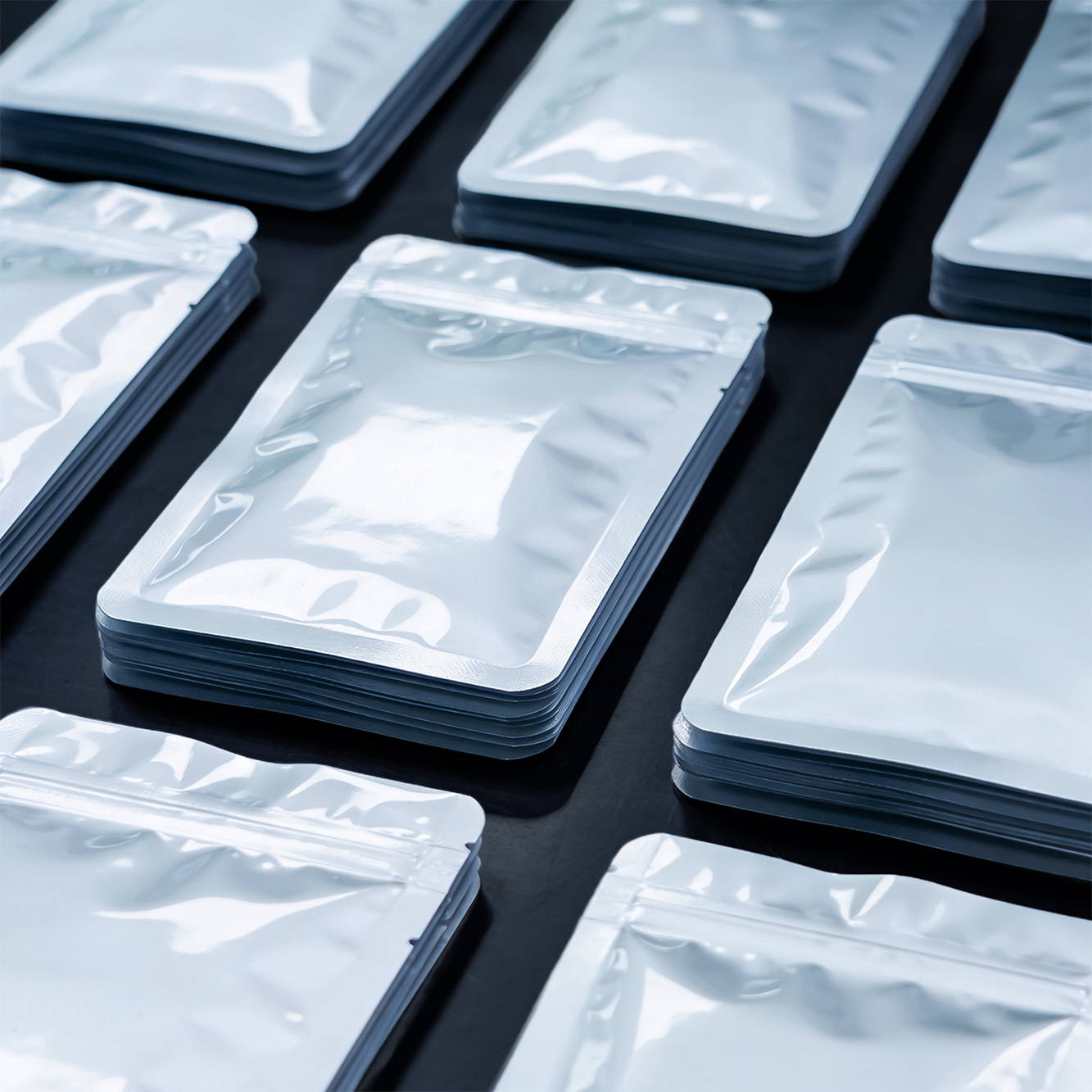
Dunmore develops high-barrier material systems for food packaging where oxygen and moisture transmission must be precisely controlled. Metallization and barrier coating applied directly to the substrate create a thin layer of aluminum that balances barrier performance and packaging weight—without using more material than necessary.
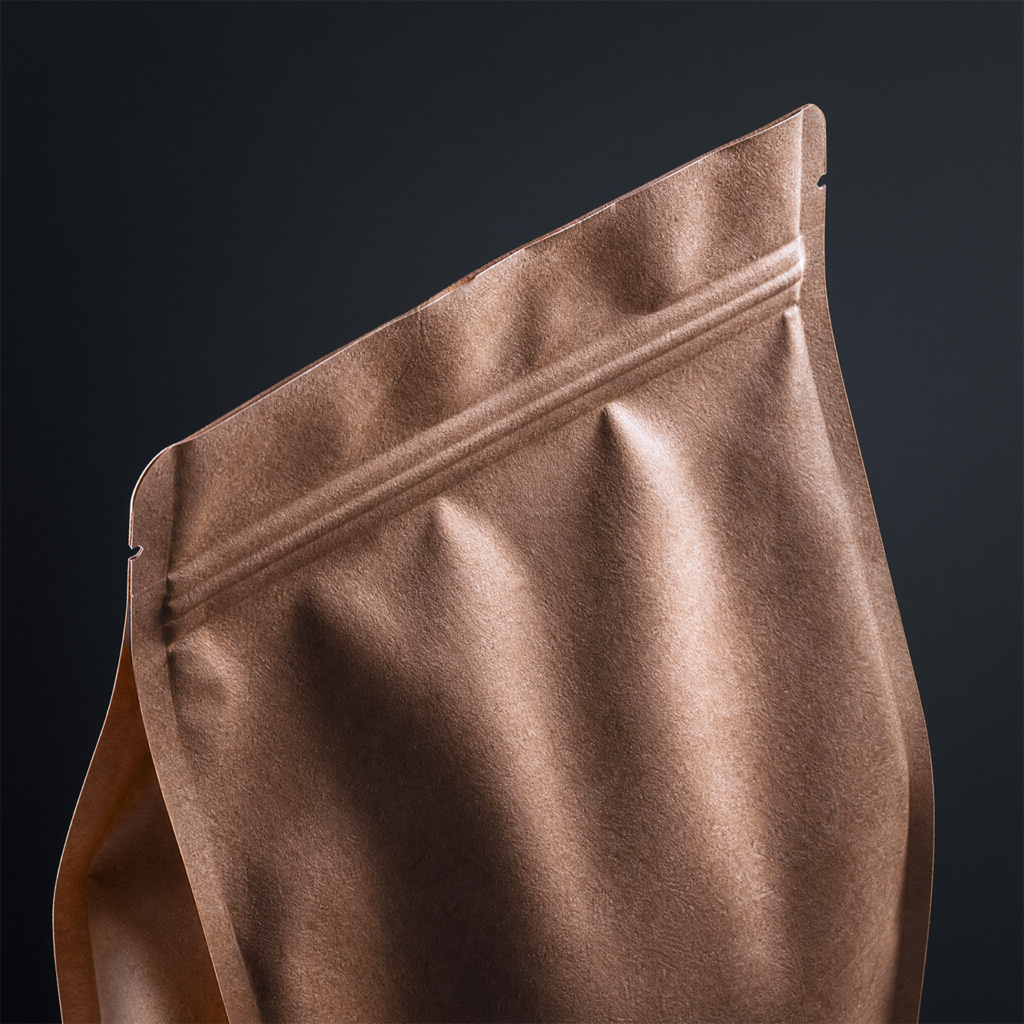
Paper-based packaging is gaining importance in the food industry in response to the EU Packaging and Packaging Waste Regulation (PPWR) and “Design for Recycling” principles. Precise barrier coatings are required to ensure that paper effectively blocks moisture, fats, and oxygen while remaining sealable, printable, and recyclable.
Dunmore develops paper-based barrier systems for food packaging that combine an oxygen barrier, a fat barrier, a water vapor barrier, and a heat seal in a single structure. Applications include snack packaging, bakery and confectionery packaging, soup packets, and household products.
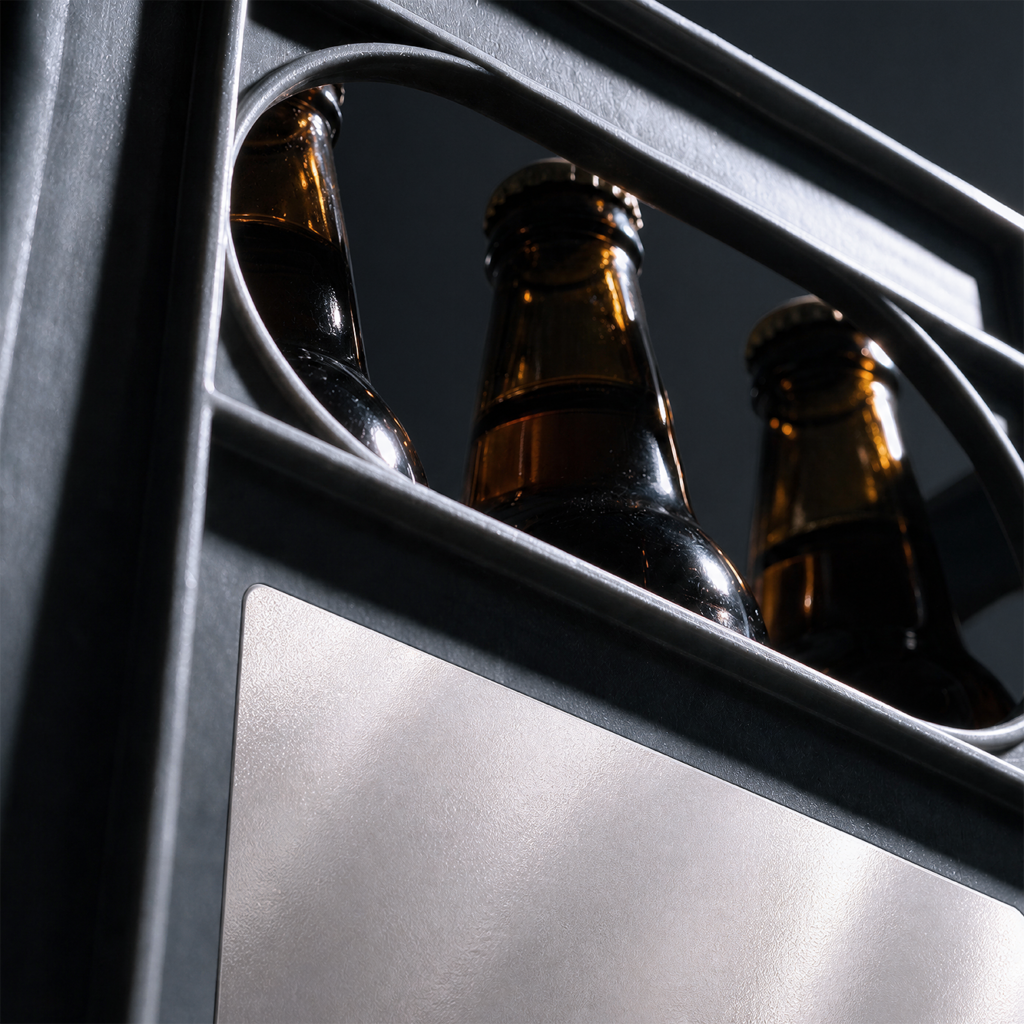
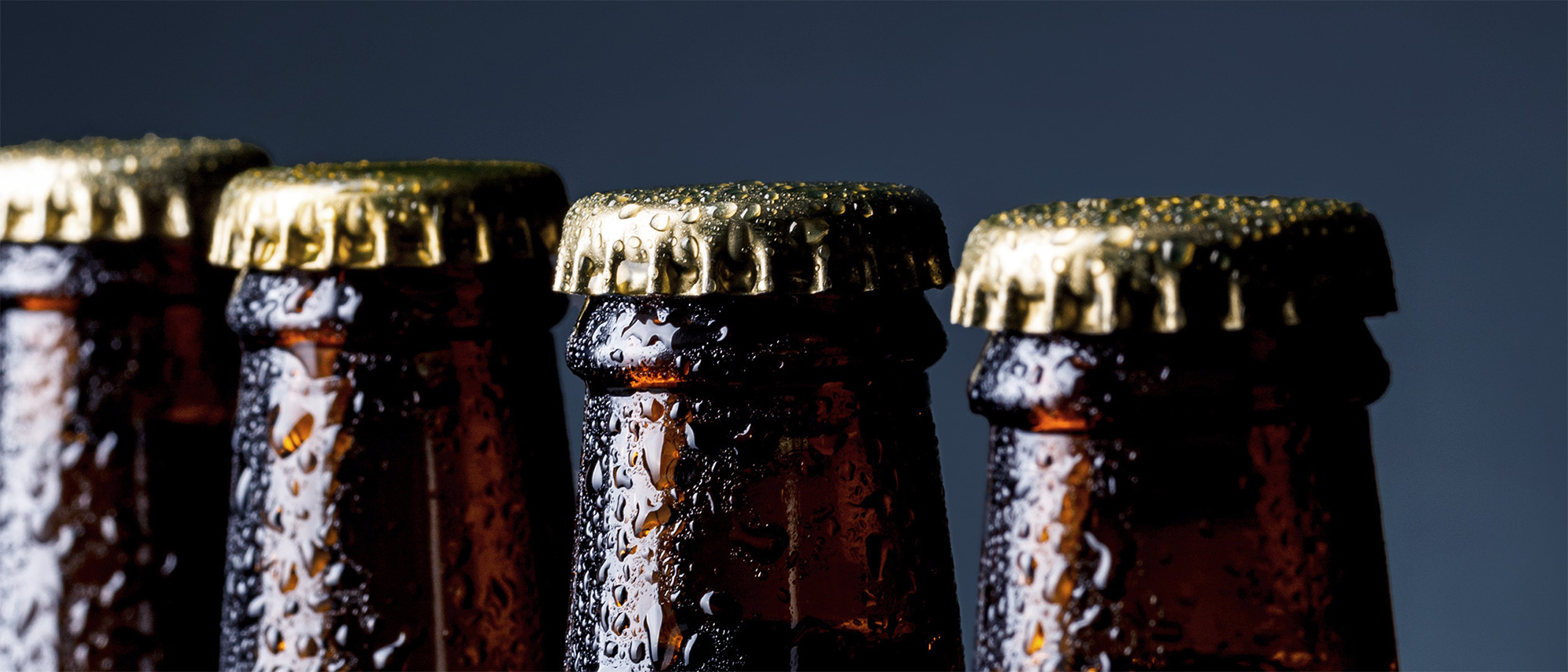
A beverage crate label has a tough life: moisture, mechanical stress from stacking and sorting, UV exposure, and cleaning processes take a toll on the material. Label films for beer and beverage crates must therefore be scratch-resistant, moisture-resistant, and durable over the long term—while also providing a high-quality printing surface. Dunmore develops printable label films whose surfaces are tailored to the respective printing and finishing processes.
In the food retail sector, the appearance of packaging plays a key role in influencing purchasing decisions. Metallized films with striped metallization, customized optical density, or colored coatings enable packaging to stand out on the shelf without compromising barrier properties. The metallic surface can be further customized with topcoats that vary in color, gloss, or texture—ideal for premium products where packaging design and protective function are equally important.
Are you looking for a packaging film for food products, or would you like to further develop an existing material composition to achieve new barrier properties, recyclability, or print compatibility? Our team in Freiburg will guide you every step of the way, from the initial consultation to a production-ready solution.

Team Dunmore Europe
kontakt@dunmore.de
The EU Packaging Regulation (PPWR, 2025/40) fundamentally changes the requirements for packaging: recyclability becomes mandatory, the proportion of recycled content increases, and material reduction is rewarded. Anyone developing packaging today must take the 2030 requirements into account.
Dunmore supports customers through this transition as a development partner. This means getting involved early in the material development process, jointly evaluating barrier alternatives, and determining which packaging structures are already recyclable today.
Specific areas of development for food packaging:
Paper-based barrier coatings as an alternative to plastic composites—where technically feasible and permitted under food regulations.
Simplified layer structures that make sorting and recycling easier.
Thinner material structures with the same or better barrier performance.
Integration of PCR materials into packaging films, where quality and food-contact requirements permit.
Barrier films for food packaging are coated, metallized, or laminated material systems that protect food from oxygen, moisture, fat, flavors, and UV radiation. Depending on the product, different barrier functions are required: Powdered products, chocolate, and granola bars primarily need oxygen and moisture barriers; instant soups require a reliable flavor barrier; and frozen products require temperature stability and moisture protection. In addition, barrier films for food must be sealable, suitable for machine processing, and, as a rule, printable.
Paper-based barrier systems are packaging structures in which paper is combined with a barrier coating as a substrate. They offer an oxygen barrier, a grease barrier, moisture protection, and sealability in a single structure—and can be designed to be more recyclable than pure plastic composites. This makes them a relevant area of development in the context of the EU Packaging Regulation (PPWR). Dunmore develops such solutions in collaboration with its customers.
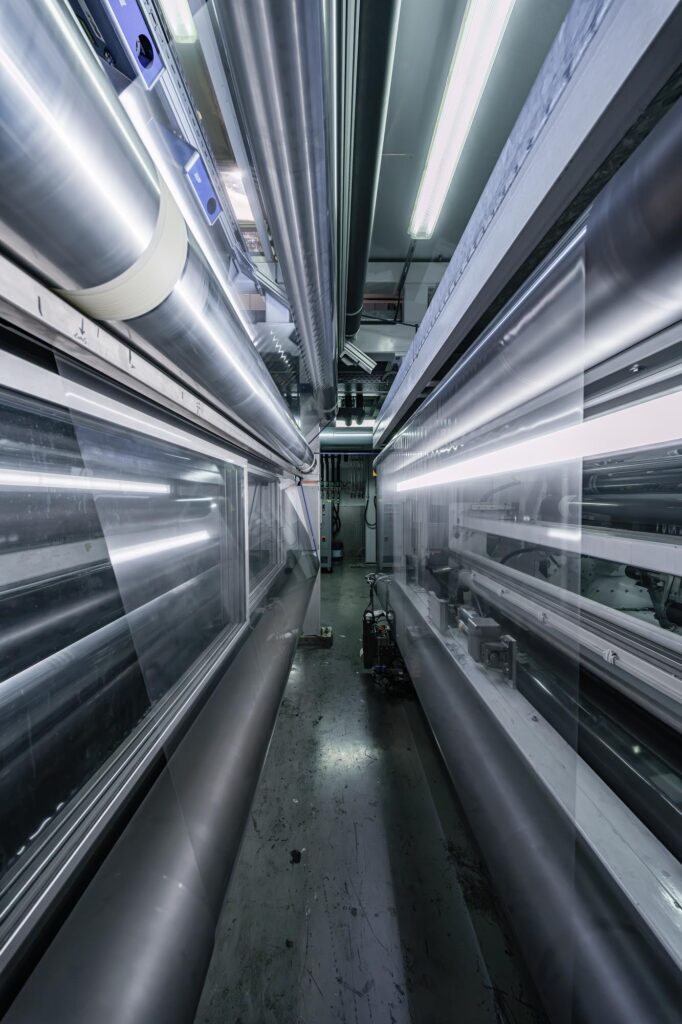
Dunmore combines coating, metallization, and lamination in an integrated roll-to-roll process chain. Metallized barrier films are produced using thermal vacuum deposition, in which aluminum is applied to the carrier substrate at a specified optical density. Functional coatings add barrier, sealing, printing, or protective functions to the structure. Lamination bonds multiple substrates into a composite that meets several requirements simultaneously. The coating width is up to 2,450 mm.
Yes. Dunmore develops printable label films for food and beverage applications, including label films for beverage crates that are moisture-resistant, scratch-resistant, and optimized for various printing processes. Metallized label films with a customized surface also provide a high-quality shelf appearance.
An initial inquiry can be submitted even if the requirements profile has not yet been fully defined. Our team in Freiburg works with the customer to determine which barrier properties, materials, food-contact requirements, and process parameters are relevant. This is followed by a feasibility assessment, laboratory samples, and, if necessary, validation through to production readiness.