Transparent to Full Blackout
The degree of metallization and the layer structure are specifically tailored to the desired level of light transmission—ranging from partially transparent coatings to completely opaque blackout structures.
When light, UV, and thermal radiation need to be precisely controlled.
 Generated by AI
Dunmore develops and manufactures metallized and coated materials that controlledly reduce or completely block light transmission, UV radiation, and heat. From partially transparent layers to full-blackout constructions, the company creates functional composite solutions for pleated blinds, window and shading systems, and RV applications.
The degree of metallization and the layer structure are specifically tailored to the desired level of light transmission—ranging from partially transparent coatings to completely opaque blackout structures.
Metallized coatings reflect infrared radiation and reduce heat gain. This protects interior spaces and extends the service life of adjacent materials.
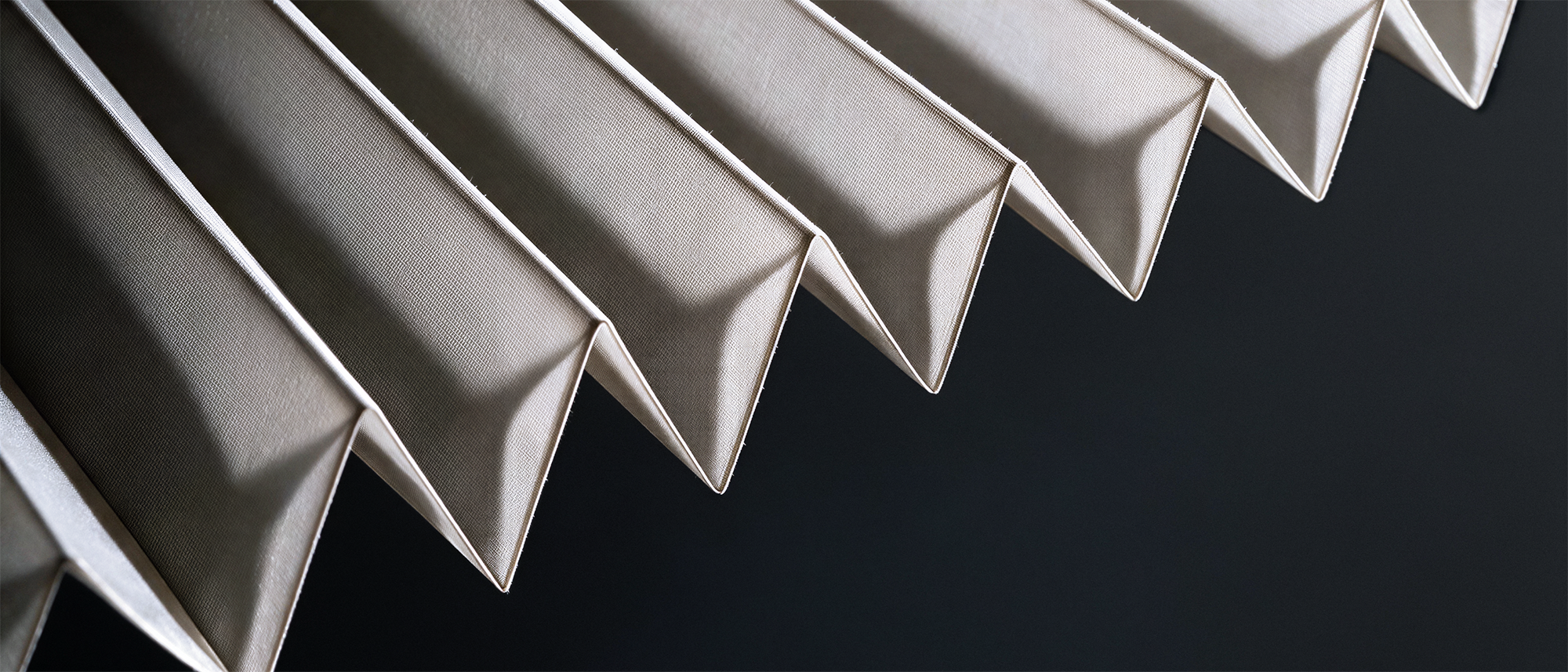
Technical barrier layers are combined with decorative or textile surfaces. This allows the materials to meet both functional and aesthetic requirements at the same time.
Embossing processes create textured surfaces on composite materials—to enhance the feel, appearance, and meet product-specific requirements in the final product.
Sun protection starts with the material. Anyone developing window shading or window protection systems needs materials that combine optical, thermal, and mechanical requirements in a single structure. That’s why we combine metallized and coated films with laminated composite systems.
Vacuum deposition of aluminum produces thin, uniform metal layers that reflect light and infrared radiation. Depending on the degree of deposition, the spectrum ranges from partially transparent to completely opaque. Using laminated structures, we can combine this barrier layer with additional layers: a textile or decorative outer layer, a protective layer, and a defined backing for further processing.
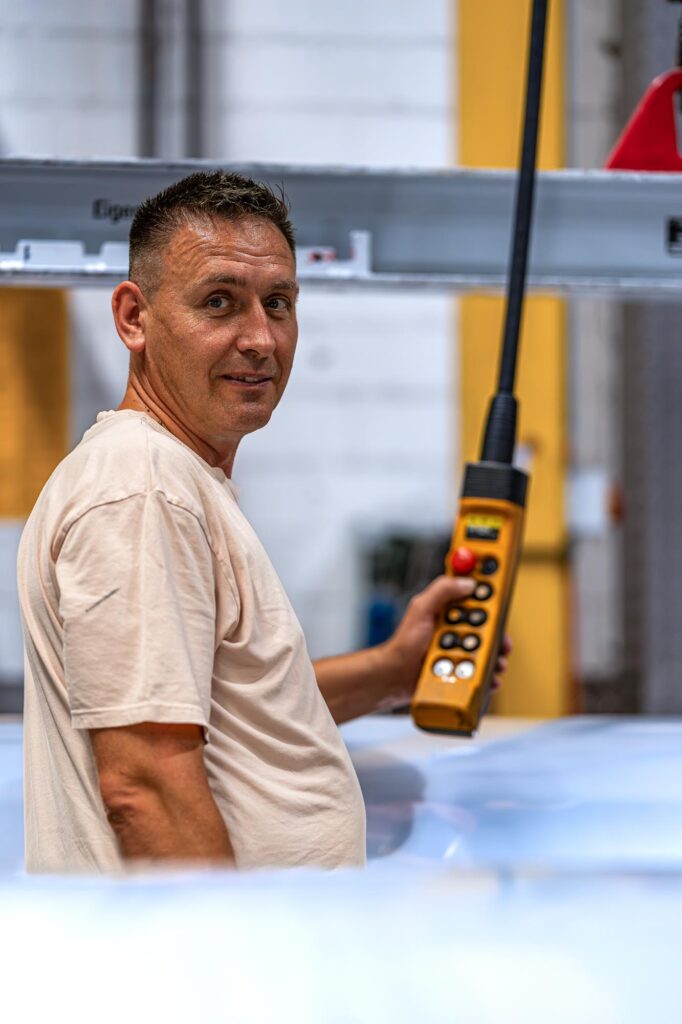
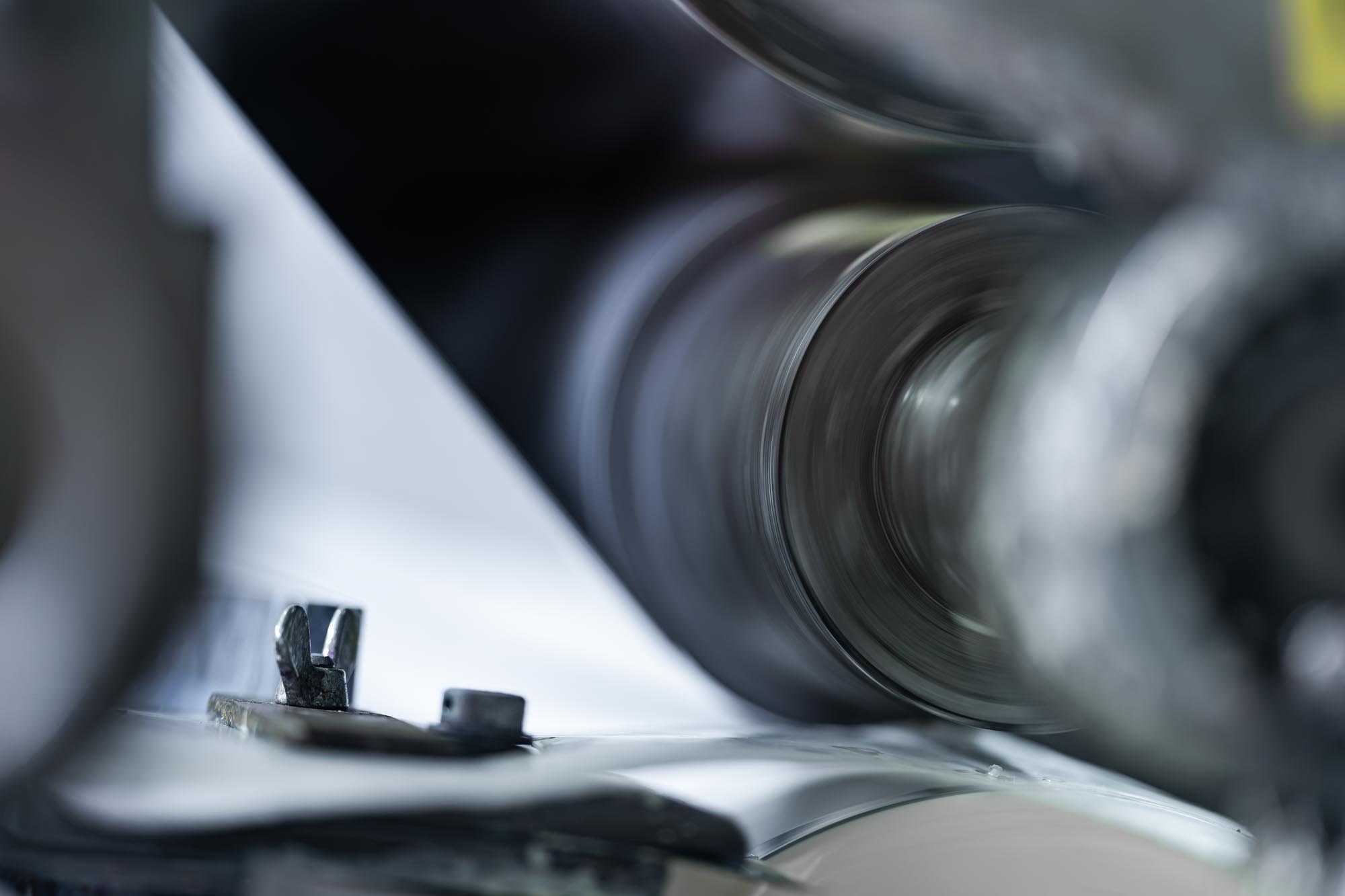
As a long-standing manufacturer of sun control film, we produce these laminates on roll-to-roll lines with web widths of up to 2,450 mm.
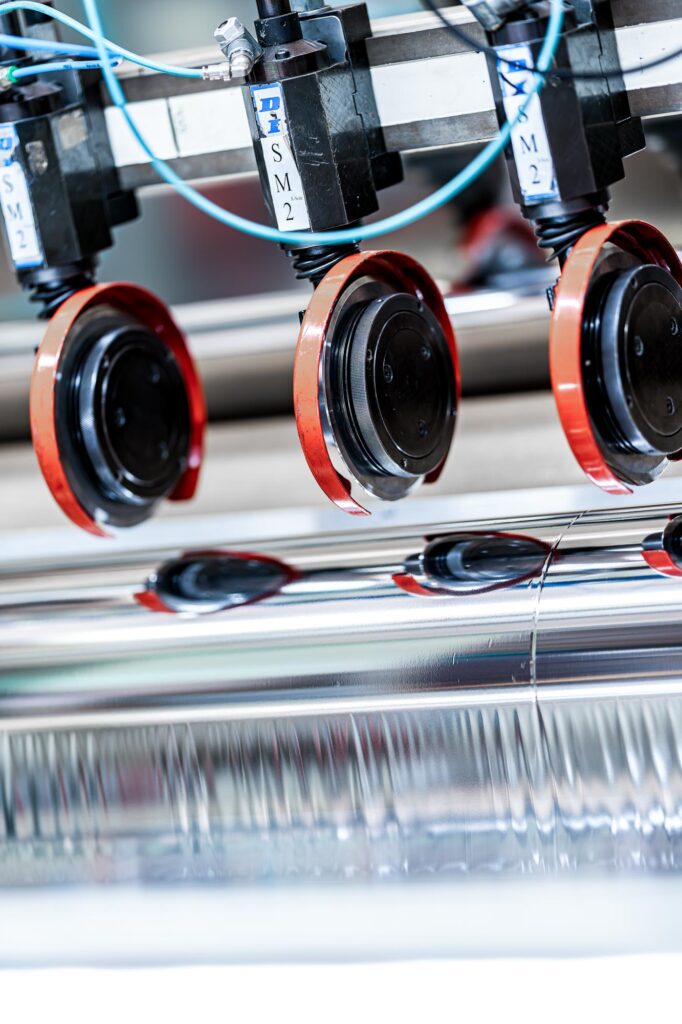
Coating, metallization, lamination, and finishing are carried out in a coordinated process chain. This reduces interfaces, ensures reproducibility, and enables custom configurations from prototypes to mass production.
Sun protection and blackout fabrics are not made from a single layer. Their performance results from the interplay of several manufacturing processes, which Dunmore integrates into a single production chain.
Metallization: Using a vacuum process (PVD), aluminum is deposited onto the substrate as a thin, uniform layer. The degree of deposition determines how much light and infrared radiation the material reflects or blocks. Transparent, partially transparent, and completely opaque structures are possible.
Coating: Protective and functional coatings are applied to the metallized surface. They protect the metal layer from mechanical damage, improve adhesion for subsequent processes, and can impart additional properties such as UV resistance or a specific surface energy.
Lamination: Multiple layers are bonded together to form a composite. This creates a stable, reproducible material system consisting of a textile or decorative outer layer, a functional barrier layer, and a backing suitable for processing.
Embossing and Finishing: Textured surfaces created through embossing, as well as precise cutting and winding to customer-specific sizes, round out the manufacturing process.
Talk directly with our team in Freiburg. We’ll analyze your requirements, suggest suitable material configurations, and guide you through the process—from the first prototype to mass production—for your sun protection system.
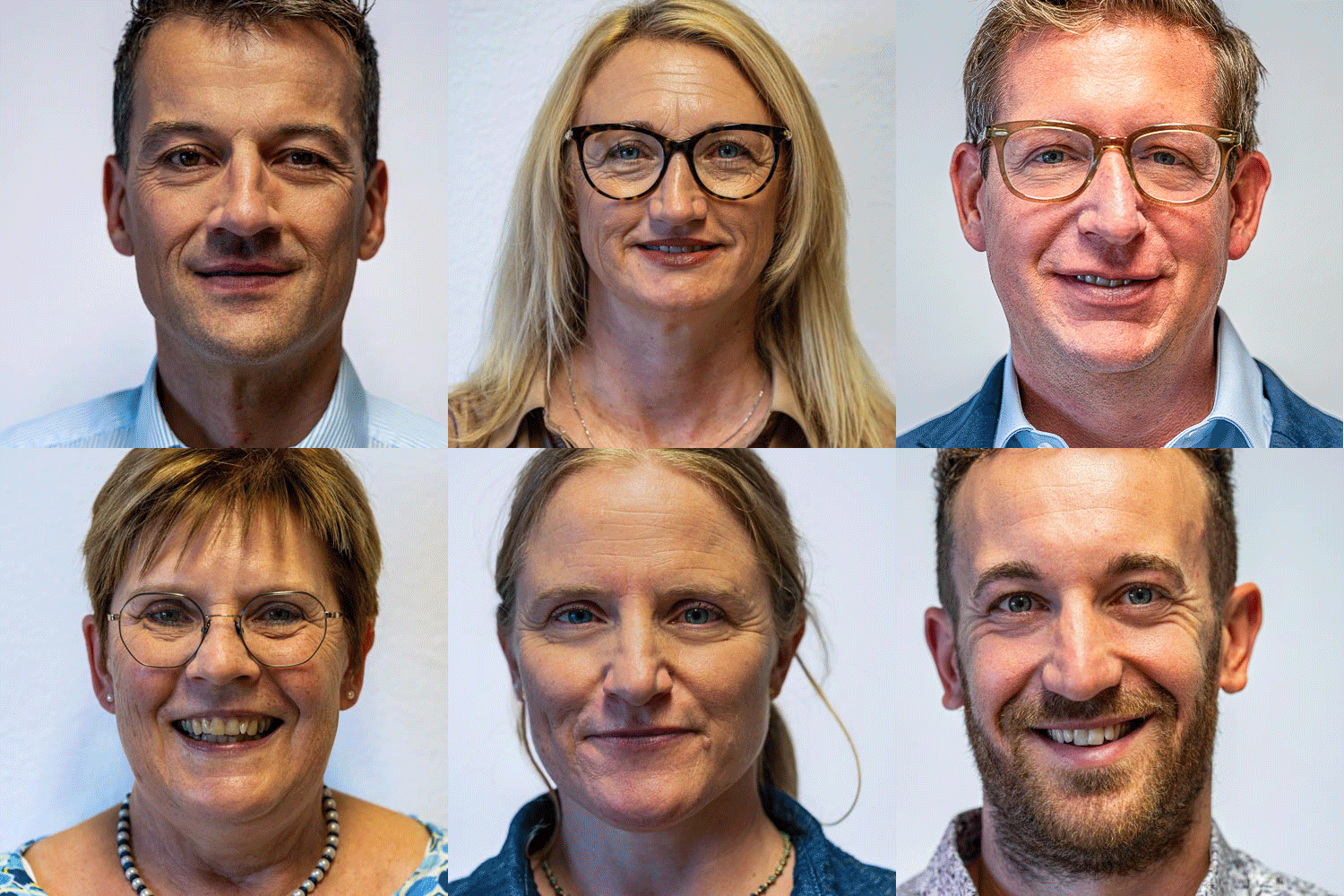
Team Dunmore Europe
kontakt@dunmore.de
From the technical specifications to the production-ready material, every project goes through a structured development and manufacturing process. Transparency and close coordination are integral parts of our collaboration.

Requirements Analysis
It all starts with your challenge: Together, we analyze your technical requirements, operating conditions, and regulatory framework.
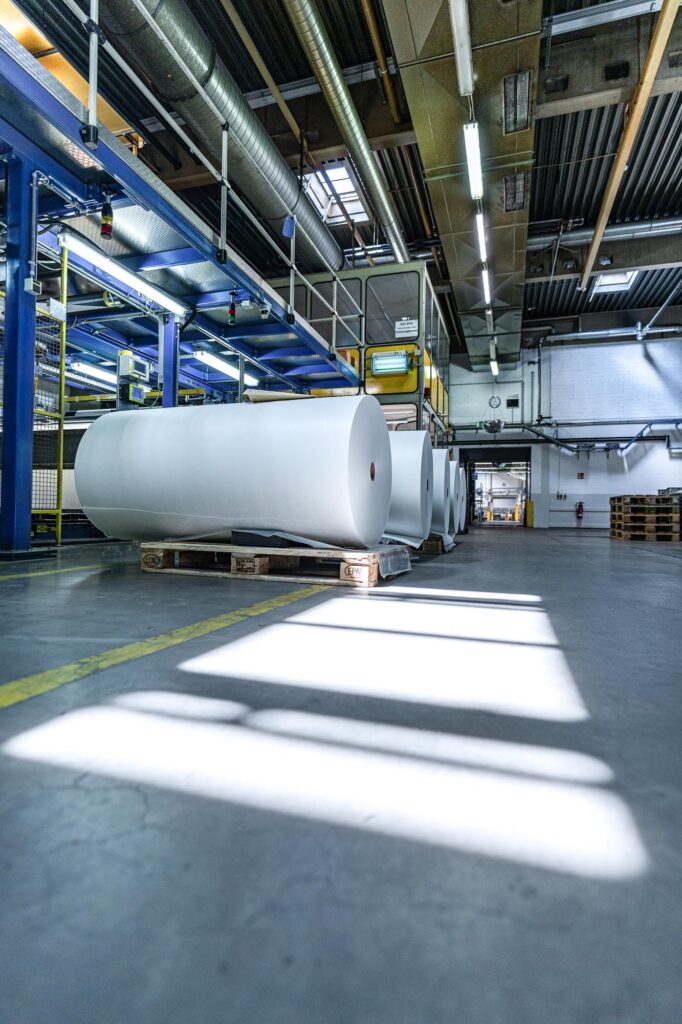
Material & Layer Structure
Based on your requirements, we develop a solution: Which substrates, processes, and functional layers are suitable?
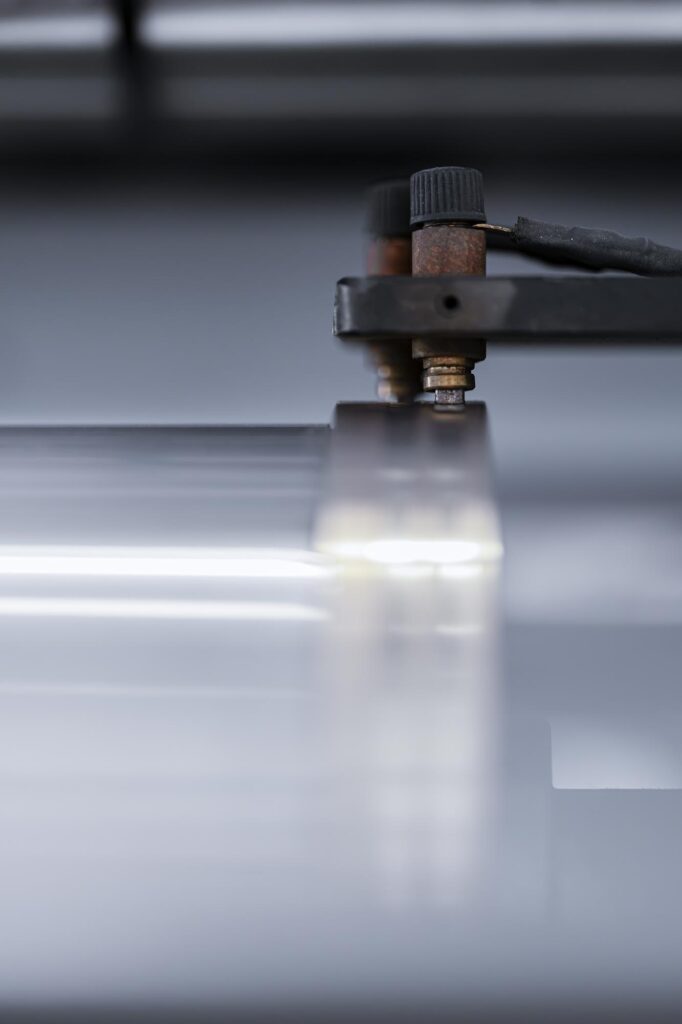
Samples & Tests
Before our high-performance materials go into mass production, they are tested. We manufacture samples, conduct tests, and review the results with you.
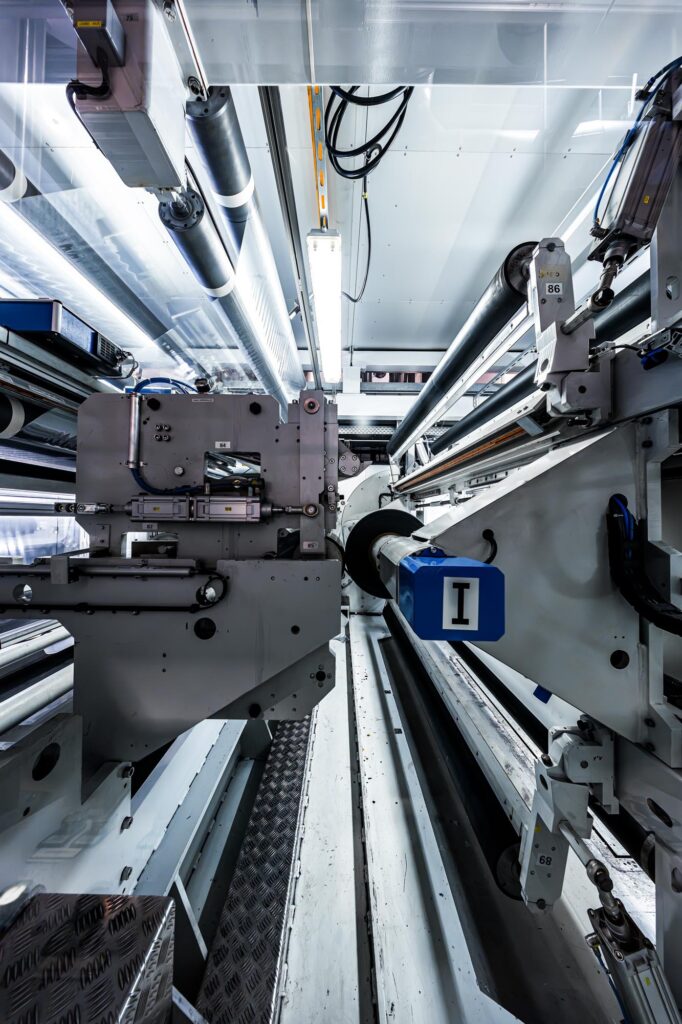
Process Optimization
Coating, metallization, lamination, assembly—we handle all these processes under one roof. This enables quick adjustments and short iteration cycles.
Readiness for mass production
If the prototypes and tests are satisfactory, we move the solution into mass production. With stable processes, documented quality, and reliable delivery—so that your product remains predictable and reproducible.
In an industrial context, a sun-control film is a functional composite material that selectively reduces or completely blocks light, UV radiation, and thermal radiation. It typically consists of a metallized substrate that is combined with additional layers through coating and lamination to form an application-specific composite. Areas of application include window and shading systems, pleated blinds, and RV applications.
Sun control film reduces light transmission and heat gain, but—depending on its structure—still allows a specific amount of light to pass through. Blackout film, on the other hand, completely blocks light transmission. Dunmore can develop both types, as the degree of metallization and the layer structure can be tailored to the desired level of blackout.
Dunmore uses metallized plastic films in which aluminum is deposited onto the substrate using a vacuum process (PVD). This metal layer is protected by coatings and bonded to additional layers through lamination, such as textile or decorative surfaces. The exact structure depends on the requirements of the specific application.
Yes. Dunmore supports customers from requirements analysis through lab prototypes and functional testing all the way to reproducible mass production. Layer structure, metallization density, surface finish, and format are tailored to the specific application. The Freiburg location enables quick coordination with European customers.
The materials are used, among other things, for blackout pleated blinds, blackout roller shades, window coverings for travel trailers and RVs, window shading systems, and technical window treatment applications. Relevant areas of application include the construction industry, the automotive sector, and the RV industry.