ISO 9001:2015
Dunmore is certified to ISO 9001:2015. This provides a solid foundation for reproducible processes and documented quality.
One material, many requirements. Textile coating for shine, protection, and a controlled feel.
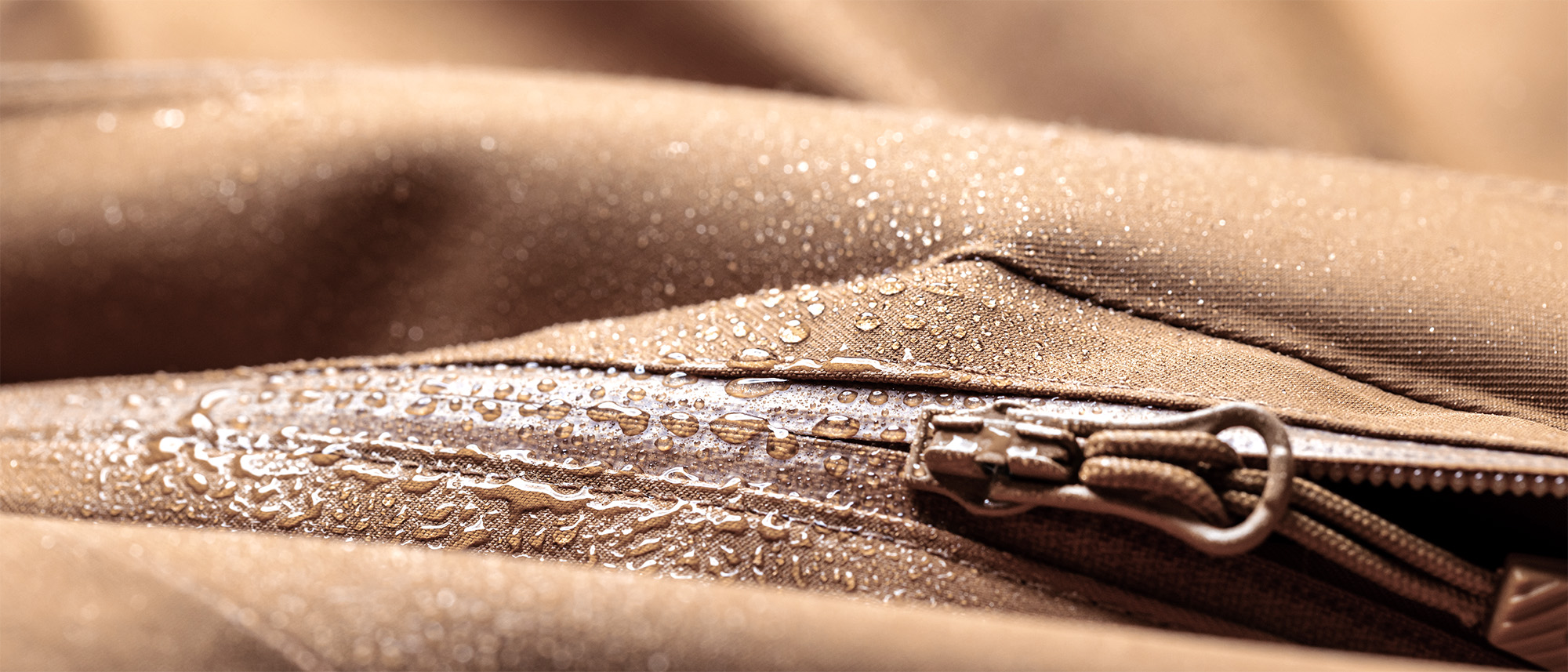
Textile coating at Dunmore involves combining functional and decorative finishes that can be applied cleanly using transfer processes and remain stable during use.
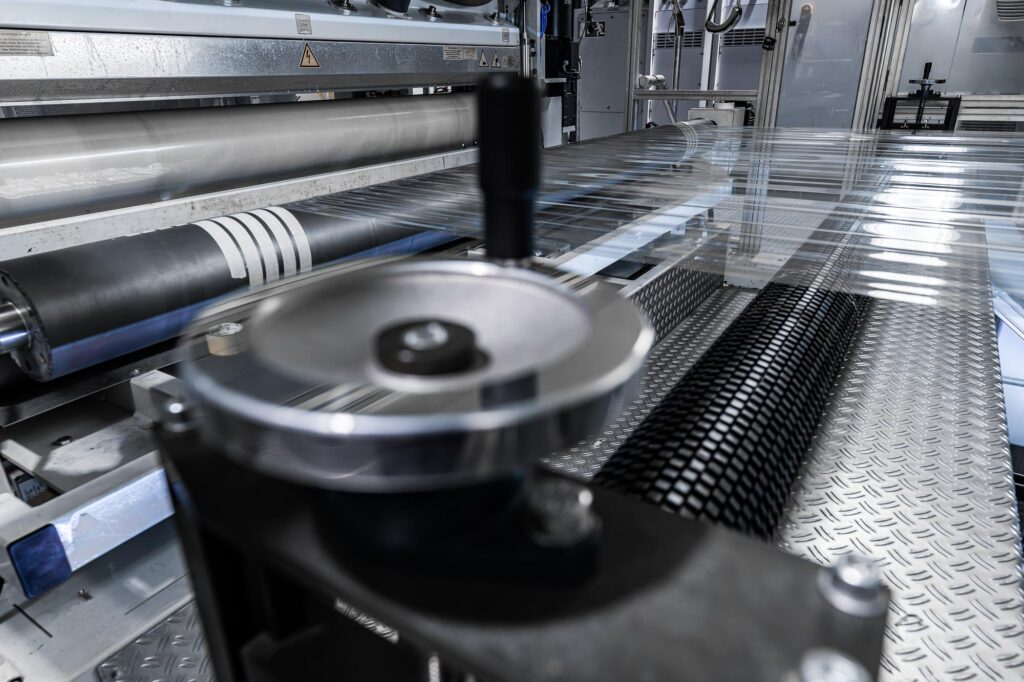
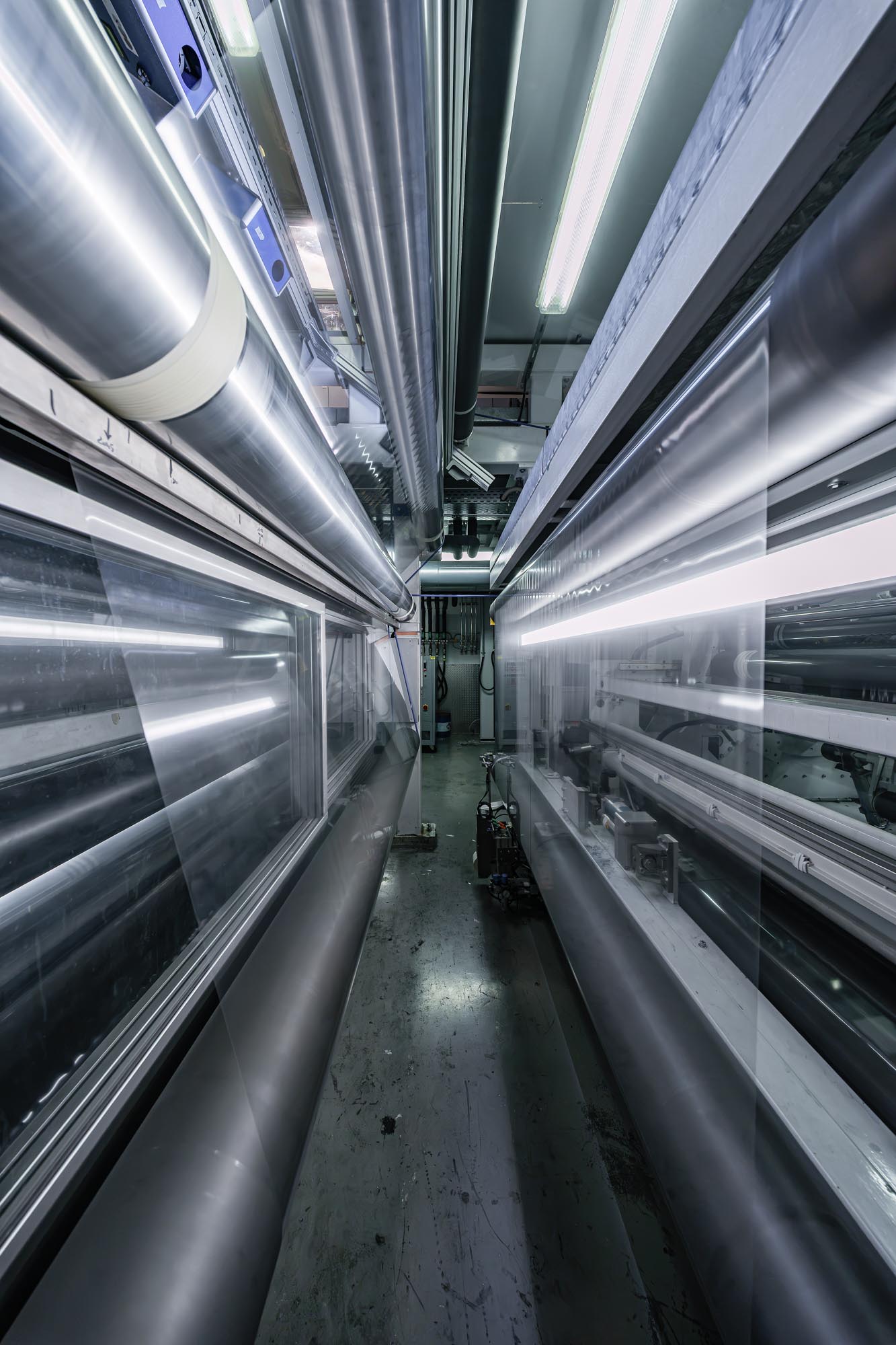
In fashion and interior design, it’s rarely just about appearance. Materials must be able to be bent, embossed, punched, or pressed while maintaining a uniform surface. Dunmore combines coating, metallization, and lamination into a roll-to-roll process chain to achieve both visual appeal and durability within the same structure.
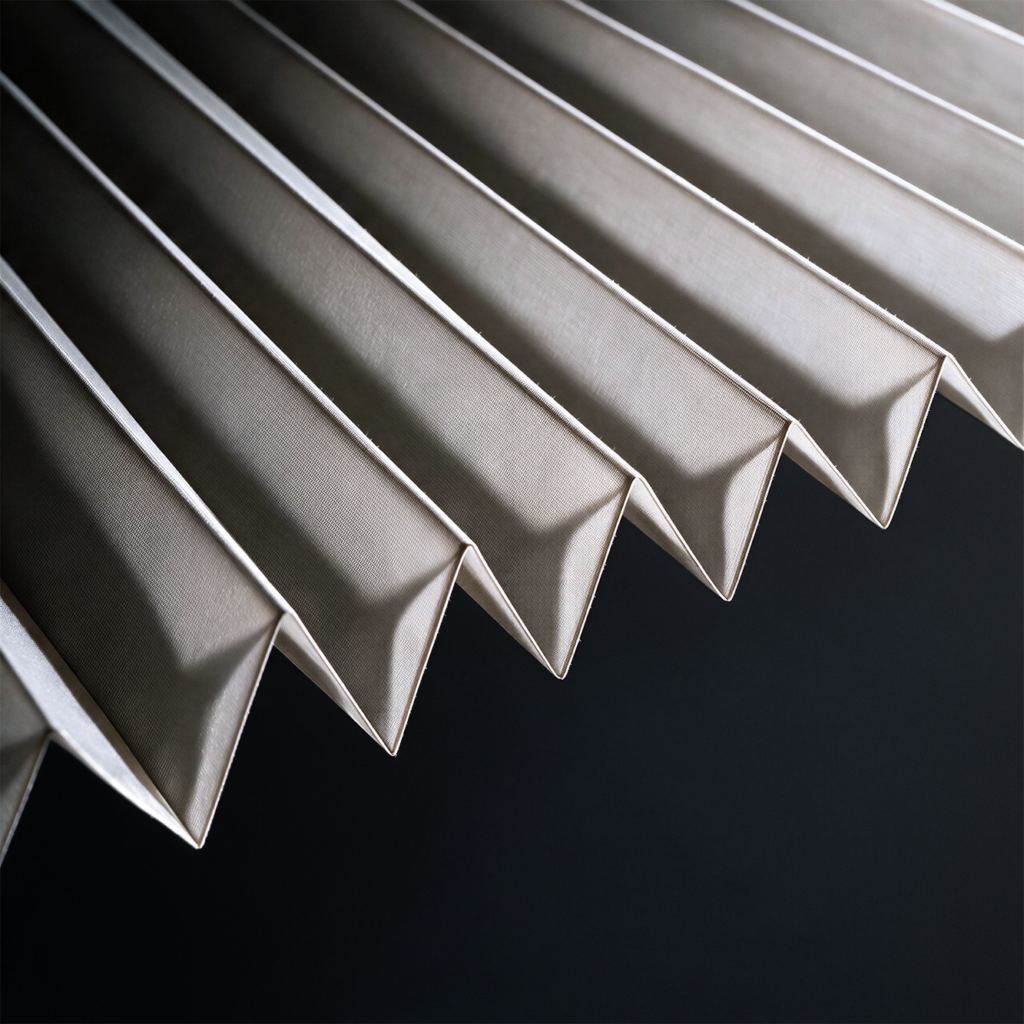
Depending on the desired finish, metallized layers can range from transparent to opaque and can be customized with a protective varnish or functional coating. This allows for a controlled appearance—from high-gloss to matte—and reduces risks such as scratches, delamination, or visible defects during further processing.
Dunmore is certified to ISO 9001:2015. This provides a solid foundation for reproducible processes and documented quality.
Coating, metallization, lamination, and assembly are carried out as a coordinated process chain. This helps ensure surface and edge quality, even for delicate decorative finishes.
In industrial applications, metallization is often performed in a vacuum to create a thin, uniform layer of metal on film, paper, or nonwoven fabric. Aluminum is the most common material used, though the Dunmore information also mentions copper and tin.
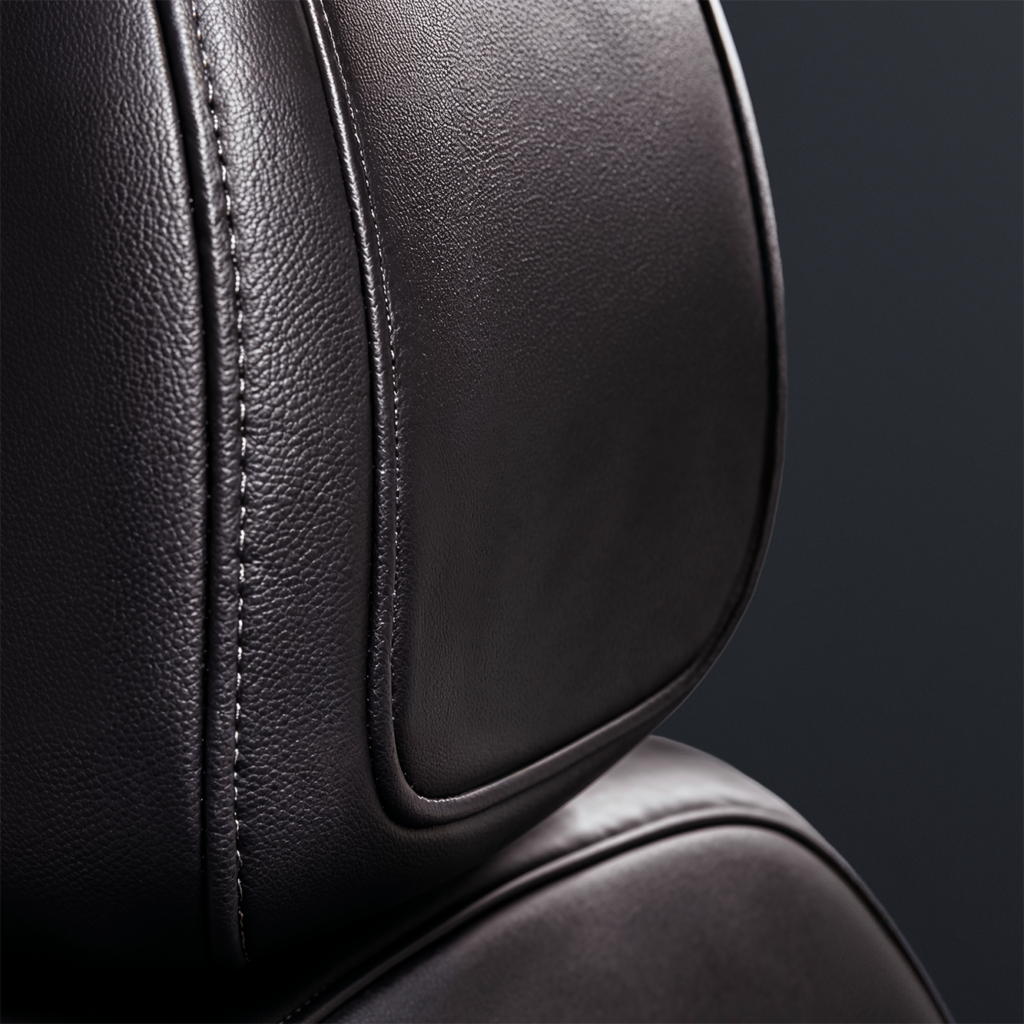
Soft-touch coatings and laminate films create a velvety feel and help distinguish surfaces from one another. In applications involving frequent contact, scratch resistance and ease of cleaning are just as important as appearance.
Transfer-metallized films impart a metallic appearance to synthetic leather, leather, or textiles without the need to process solid metal. In practice, it is important that the material remains flexible during pressing and lamination and offers good wet abrasion resistance during the manufacturing process.
Metallized and coated films and laminates are used for wallcoverings when the appearance, print quality, and maintenance properties must all be compatible. Typical substrates in these applications include polyester (PET) and fluoropolymers, including metallized versions.
If you have a specific look or key function in mind for textiles, please feel free to contact us. We’ll first clarify the application, substrate, finishing, and target specifications, and then move forward together through the development process.

Team Dunmore Europe
kontakt@dunmore.de
Textile coating involves applying a thin functional layer to a substrate in a targeted manner to achieve a specific surface function. This can include appearance, protection, printability, adhesion, or barrier properties. Technically, a liquid medium is applied evenly to the moving web and then dried or cross-linked.
Metallized films create a metallic appearance by applying a very thin layer of metal to plastic or other flexible substrates. In the fashion industry, this allows for a shiny finish without using solid metal. Depending on the structure, the metallization can also enhance reflectivity or barrier properties.
In transfer processes, flexibility, a uniform surface, and robust post-processing are crucial. For metallic transfer films, Dunmore highlights, among other things, wet abrasion resistance and stable, flexible processing during the manufacturing of shoes, bags, belts, and apparel.
Lamination permanently bonds two or more materials into a composite in which each layer performs a specific function. This allows for the combination of visual and tactile qualities with protection or process stability. Pretreatment, wetting, and stable web tension are critical to ensuring that the composite remains reproducible.
It is helpful to provide information on the end use, target material, desired function(s), substrate, thickness, width, quantity range, and planned post-processing steps. If target values for barrier properties or performance are known, they can also be specified.